Services
Sheet metal bending
High-Precision Custom Parts Manufacturing (China Factory)
Why US
Choose our Sheet metal bending services
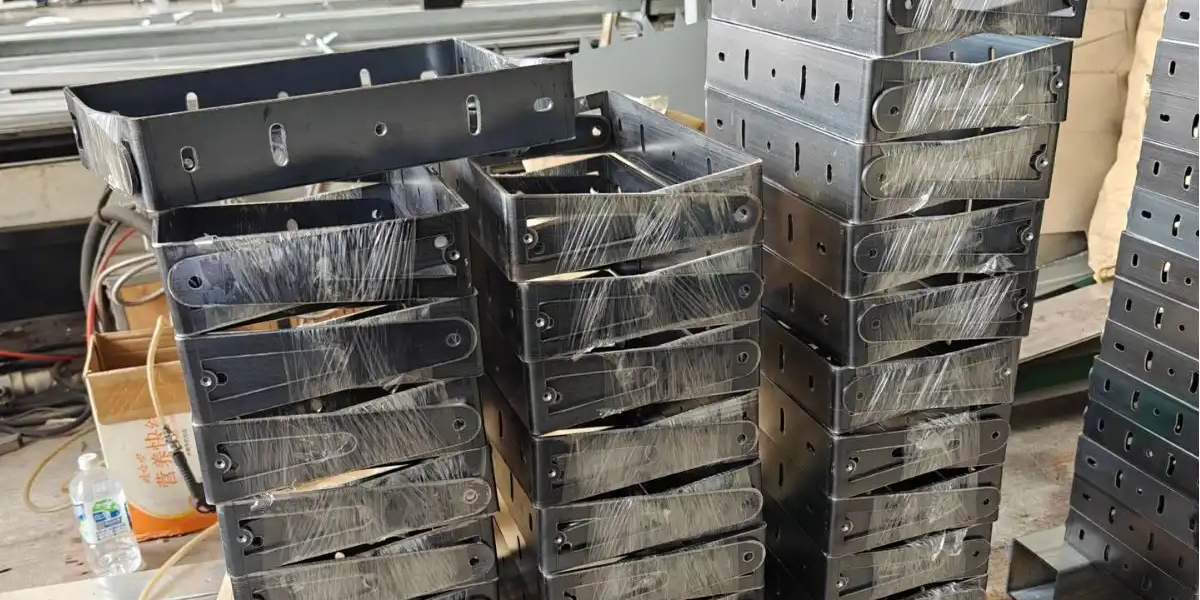
We offer professional sheet metal bending services, supporting the forming and processing of various metal materials and structural forms. Through CNC bending equipment and mature process control, we can precisely bend flat metal into the three-dimensional structures required by customer designs, suitable for a variety of applications including industrial equipment, automation systems, chassis enclosures, brackets, and structural components.
Sheet metal bending, often used in conjunction with processes such as laser cutting, is an indispensable and crucial step in the manufacturing of custom sheet metal parts. We focus on stability, consistency, and repeatability to provide our customers with reliable bending solutions.
What is sheet metal bending?
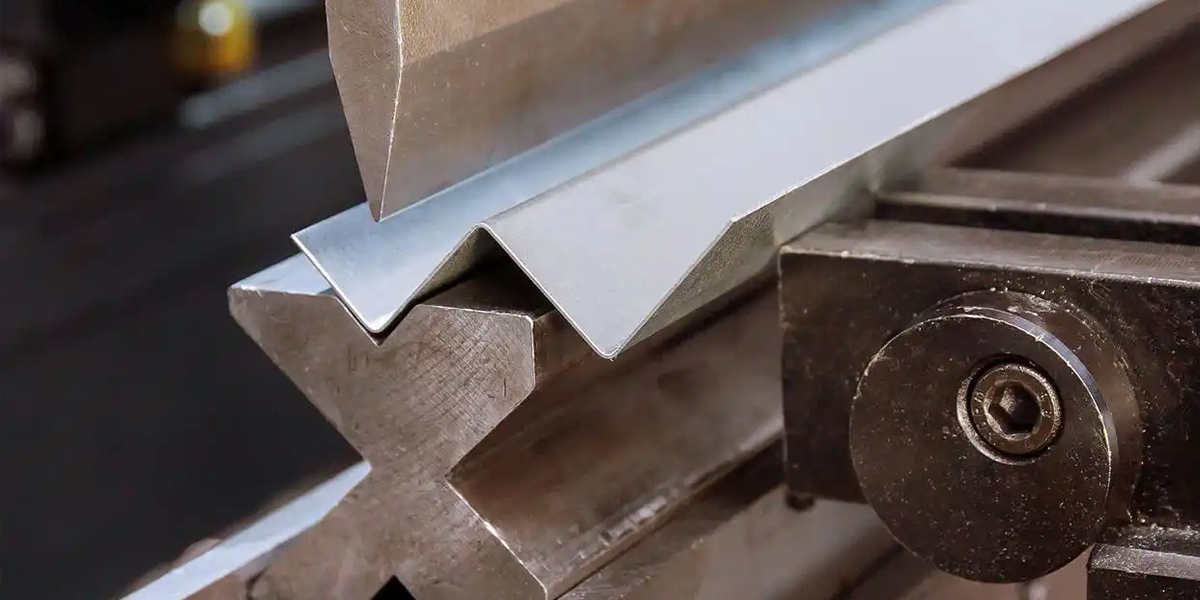
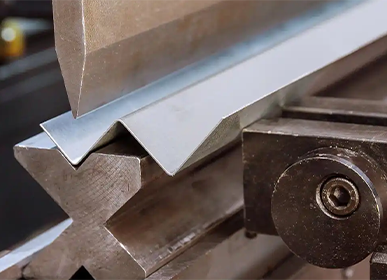
Sheet metal bending is a processing technique that uses external force to cause plastic deformation of a metal sheet at a specific location, thereby forming an angle or structural shape. This process is usually completed on a CNC bending machine, where controlled pressure is applied to the sheet metal through upper and lower dies to shape it along a predetermined bending line.
Unlike cutting, sheet metal bending does not remove material. Instead, it achieves structural shaping through the material’s own ductility. Therefore, factors such as material thickness, bending radius, springback, and structural strength need to be considered comprehensively during the design phase.
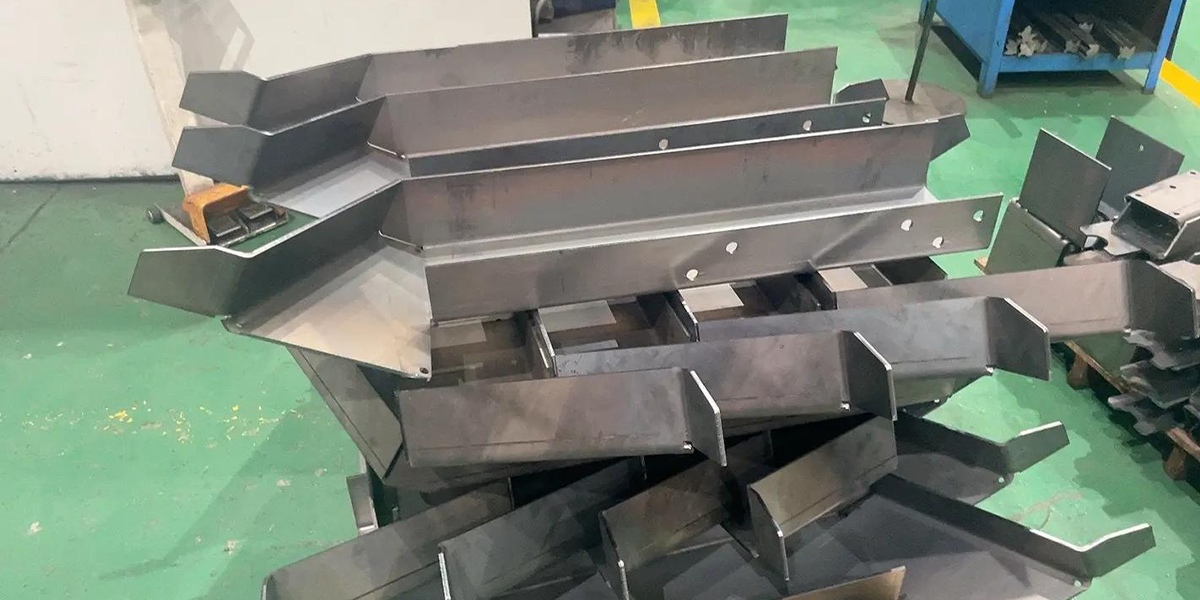
In practical applications, sheet metal bending is widely used in manufacturing:
- Chassis and enclosure
- Brackets and mounting structure
- Frame-type parts
- Functional structural components and assemblies
By using a reasonable bending design, welding and assembly processes can be reduced while ensuring strength, thereby reducing overall manufacturing costs and improving structural reliability.
Sheet metal bending capability
We possess mature sheet metal bending capabilities, capable of handling various materials, thicknesses, and structural forms, meeting processing needs from simple right-angle bends to complex multi-fold structures. Bending processes are completed by experienced technicians in conjunction with CNC equipment to ensure angular accuracy and batch consistency.
Our sheet metal bending capabilities include, but are not limited to:
Bending forms
Single bend, multiple consecutive bends, U-shape, Z-shape, and other common structures.
Machining accuracy
Stable bending angle control, suitable for parts with high assembly requirements.
Size adaptability
Supports bending of sheets of different sizes; the specific range will be assessed based on the material and thickness.
Repeatability and consistency
Suitable for small-batch customization and mass production orders.
Before processing, we will assess the location of the bending line, the minimum bending radius, and the potential springback based on the drawings. If necessary, the engineering team will provide manufacturability advice to help customers optimize their designs without compromising functionality.
Sheet metal bending machinable materials
Different metal materials exhibit varying degrees of ductility, springback characteristics, and forming limits during bending processes. We support sheet metal bending of a wide range of common metal sheets and select appropriate dies and process parameters based on material properties to ensure forming quality and structural stability.
Common flexible materials include:
Stainless steel has high strength and resilience, which places high demands on the bending process. We achieve stable and repeatable stainless steel sheet metal bending by properly controlling the bending radius and angle compensation, suitable for chassis, enclosures, and structural components.
Aluminum is lightweight and has good ductility, making it suitable for bending complex structures. We adjust the bending parameters for different alloy states to avoid cracks and surface damage, and it is commonly used in electronic device housings and lightweight structural components.
Low-carbon steel is easy to bend and has controllable costs, making it one of the most widely used materials in industrial sheet metal bending. It is suitable for brackets, frames, and general structural components.
Copper has good ductility, but its surface is relatively sensitive. When bending it, care must be taken to protect the mold and control surface quality. It is commonly used in electrical and functional components.
In actual projects, we assess the feasibility of material selection and processes by taking into account material thickness, bending angle, and end use, to ensure that design requirements match manufacturing conditions.
Available surface treatments for metal sheets
After sheet metal bending is completed, surface treatment helps improve the corrosion resistance, appearance consistency, and service life of the parts. For bent parts, we offer a variety of common surface treatment options, ensuring that the process does not affect the formed structure and critical dimensions.
Surface treatments applicable to sheet metal bending parts include:
Standard
No additional chemical or mechanical treatment has been applied after machining; only chamfering and deburring have been performed to ensure safe machinability. Suitable for internal structural parts or applications where appearance requirements are not high.
Bead blasting
A process that uses glass beads or other media to blast a surface, creating a uniform matte finish that helps to conceal minor scratches and improve the appearance of the assembly.
Brushed
Using sandpaper or brushing equipment to create a linear texture by drawing the brush in a uniform direction, suitable for visual panels facing the end user.
Brushed + Anodized Type II
Anodizing is performed after brushing to improve corrosion resistance and fine-tune the surface color while maintaining a good appearance.
Bead blasting + Anodized Type II
Sandblasting followed by oxidation effectively improves the corrosion resistance of parts. Sharp edges are ground and deburred to ensure safe handling.
Anodized Type III (Hardcoat)
Creates a thicker, harder oxide layer, improving wear resistance and environmental durability, suitable for high-wear parts.
Powder coating
A tough protective layer is formed by electrostatic powder coating and high-temperature curing. It offers a variety of colors and textures, effectively improving corrosion resistance and overall appearance consistency.
Black Oxide
Used for steel parts, it improves corrosion resistance and reduces light reflection through a chemical blackening process, and is often used for functional structural parts.
Chromate conversion coating
Suitable for aluminum and its alloys, it improves corrosion resistance without affecting conductivity and provides a good base layer for subsequent coatings.
Why choose us as your Sheet metal bending services in China?
In sheet metal bending, the quality of a part is not solely determined by the equipment itself, but rather by the understanding of material properties, springback control, and structural consistency. As a manufacturing plant specializing in sheet metal processing, we have long provided stable and repeatable sheet metal bending services to various industries, effectively supporting needs from prototypes to mass production.
The main reasons for choosing our sheet metal bending service are as follows:
- Specialized engineering experience in sheet metal bending
We have handled a variety of materials, thicknesses, and complex structures in real-world projects, and have accumulated mature experience in minimum bending radius, angle compensation, and forming sequence, which can effectively reduce trial and error costs.
- Consistent and stable processing quality
The bending process is completed by experienced technicians in conjunction with CNC equipment to ensure that the angles and dimensions remain consistent across different batches, making it suitable for projects that require high assembly precision.
- Communication methods for engineers
During the order evaluation phase, we will review the drawings and, if necessary, provide manufacturability suggestions to help customers optimize the structural design without affecting functionality.
- Service model suitable for long-term cooperation
We not only focus on the delivery of individual orders, but also value building long-term and stable partnerships with our customers to support product iteration, volume expansion, and continuous optimization.