
Services

CNC machining of consumer electronics parts

Consumer electronics component manufacturing solutions

Why US

Choose our CNC Machining Manufacturer

The core of consumer electronics manufacturing lies not in “whether it can be done,” but in appearance consistency, assembly precision, material reliability, and scalability. We provide the consumer electronics industry with parts manufacturing solutions covering CNC machining, 3D printing, sheet metal processing, and injection molding, supporting different needs from product prototyping to mass production.

Through our multi-process manufacturing capabilities, we can help consumer electronics brands and hardware teams quickly bring products to market during the design verification, functional testing, appearance evaluation, and mass production preparation stages.

Why Consumer Electronics Customers Choose Us

Consumer electronics products are updated rapidly and have short market windows, placing high demands on manufacturing partners in terms of responsiveness, quality stability, and scalability. We provide controllable and replicable manufacturing support for consumer electronics projects through our systematic capabilities.

Industry certification and manufacturing compliance

All consumer electronics applications are performed under a controlled quality system, and we have passed and implemented the following certification standards:

  • ISO 9001 – Quality Management System
  • ISO 14001 – Environmental Management Systems
  • AS 9100 – A high-requirement manufacturing quality system
  • PPAP – Production Part Approval Process (Applicable to mass production implementation)

Meanwhile, suppliers in the manufacturing network also possess the relevant industry certifications, ensuring consistency from prototype to mass production.

Comprehensive quality documentation and validation support

For consumer electronics products, regarding functionality, assembly, and reliability, we can provide complete quality and verification documentation on a project-by-project basis, including:

  • Coordinate Measuring Machine (CMM) Inspection Report
  • Comprehensive dimensional inspection records
  • Materials testing report
  • Material Certificate
  • Certificate of Conformity
  • First Article Inspection Report

These documents can be used for design verification, mass production review, supply chain audit, and internal quality control.

Strict manufacturing and quality control processes

We employ a mature and replicable quality control process to ensure the consistency of consumer electronics components across both batch and multi-batch deliveries:

  • Use specialized tools and fixtures for machining and assembly.
  • Dimensional and key feature inspection is performed using calibrated equipment.
  • Review all quality documents and industry certifications
  • Comprehensive intellectual property protection is provided within the platform and manufacturing network.

This process is applicable to appearance parts, structural parts, functional parts, and injection molded parts, meeting the reliability and consistency requirements of consumer electronics products.

Our consumer electronics manufacturing capabilities

The manufacturing process requirements for consumer electronics products vary significantly across different stages: the prototyping stage emphasizes speed and flexibility, the introduction stage focuses on consistency, and the mass production stage prioritizes stability and scalability. We provide scalable manufacturing support for consumer electronics products through multi-process collaboration.

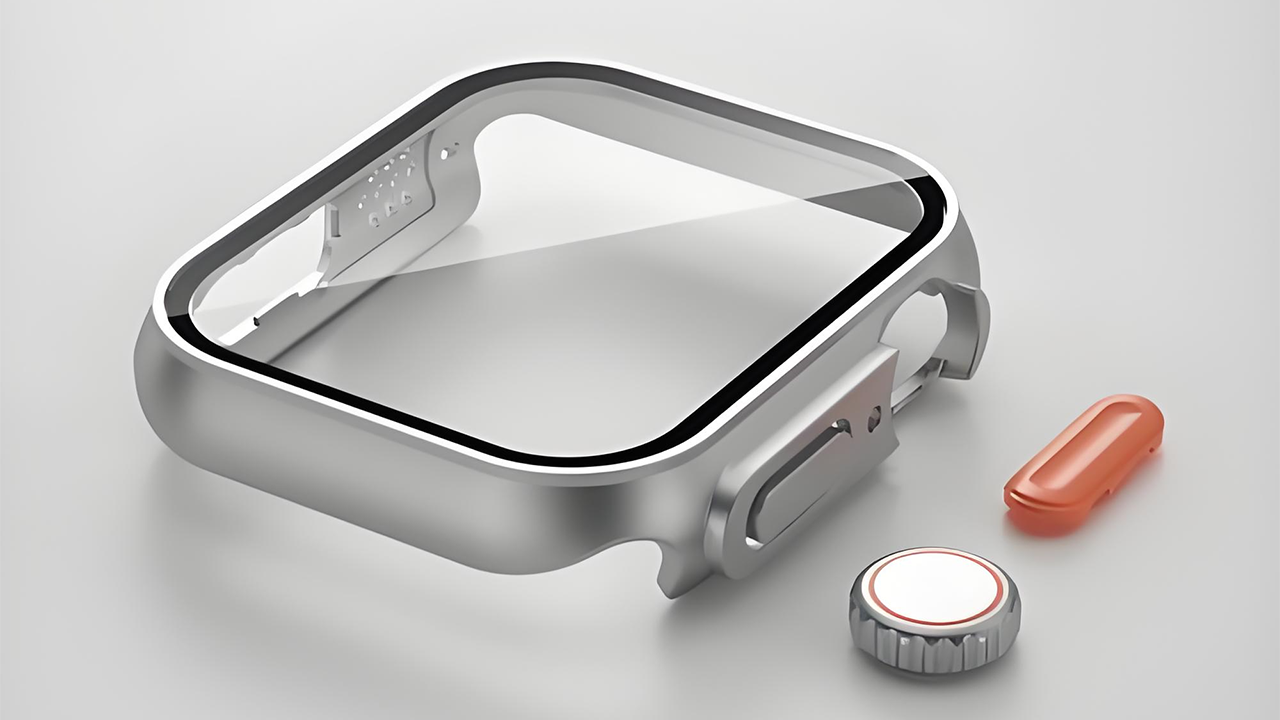
CNC machining is widely used in consumer electronics for structural components, functional components, metal casings, and precision assemblies, where high dimensional accuracy and surface consistency are required.

Processing capacity

  • Milling, turning and post-processing
  • Suitable for metal and engineering plastic parts
  • Tolerances up to ±0.020 mm (±0.001 in)
  • Suitable for prototypes, small batches, and functional parts.
  • Minimum delivery time: 5 business days

CNC machining is commonly used for outer shell structural parts, internal supports, connectors and high-strength components, and has significant advantages in product verification and small-batch production.

3D printing is mainly used in the development of consumer electronics products for rapid prototyping, appearance evaluation, and structural verification, which can significantly shorten the design iteration cycle.

Supported processes

  • FDM
  • SLA
  • SLS
  • MJF

Ability characteristics

  • Supports over 25 types of plastic materials and over 35 colors.
  • Dimensional accuracy: ±0.3%, with a lower limit of ±0.3 mm (±0.012 in).
  • Minimum delivery time: 1 business day

3D printing is suitable for quickly verifying feel, proportions, and assembly relationships in the early stages of design and can be seamlessly integrated with subsequent CNC or injection molding processes.

Sheet metal processing is widely used in the brackets, frames, shells and internal structural parts of consumer electronics products, emphasizing structural stability and assembly consistency.

Processing capacity

  • Laser cutting, precision bending and post-processing
  • Tolerances up to ±0.10 mm (±0.004 in)
  • Suitable for manufacturing small to medium batches of structural components.
  • Minimum delivery time: 5 business days

Sheet metal processing has a clear advantage in consumer electronics structural components that require a balance between strength and cost.

Consumer electronics injection molding capabilities

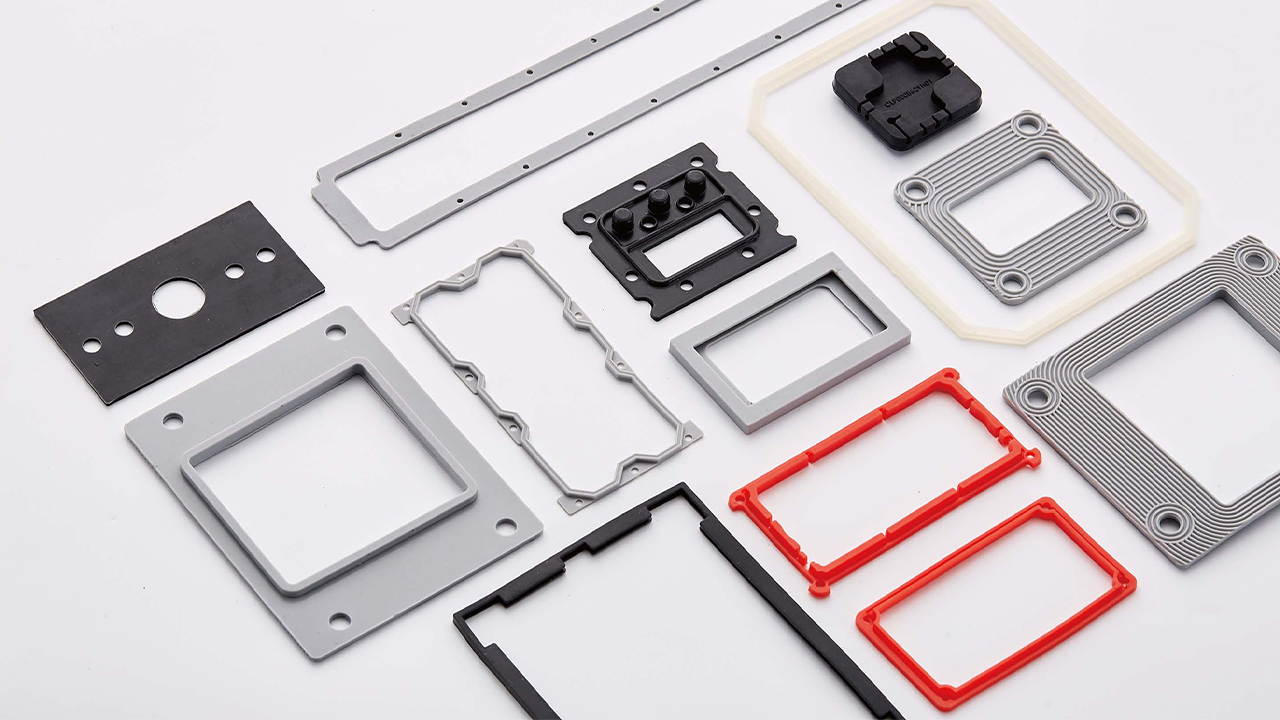
Injection molding is a key manufacturing process for consumer electronics products to enter the mass production stage, and it is suitable for the production of plastic parts with high consistency and large volume.

Injection molding ability

  • Prototype mold and production mold support
  • Suitable for parts with complex structures and various sizes.
  • Batch size range: 1 to 1 million parts

Injection molding is often used in conjunction with early CNC or 3D printed prototypes to reduce mass production risks and accelerate product launch.

Consumer electronics materials and surface treatment capabilities

Consumer electronics products have stringent requirements for materials and surface treatments, which extend beyond structural strength and directly impact product appearance, feel, durability, and user experience consistency. We support a variety of commonly used metals, engineering plastics, and composite materials in consumer electronics and offer mature and stable surface treatment processes to meet the needs of different stages from prototyping to mass production.

Metallic materials are commonly used in consumer electronics for housings, frames, heat dissipation structures, and load-bearing components, requiring high dimensional accuracy and surface quality.

aluminum alloy

  • 5052
  • 6061-T6
  • 7075-T6
  • 2024-T351

Aluminum alloys offer a balance of lightweight and structural strength, making them a mainstream material for metal casings and structural components in consumer electronics.

copper

  • C110 Copper
  • C101 Copper

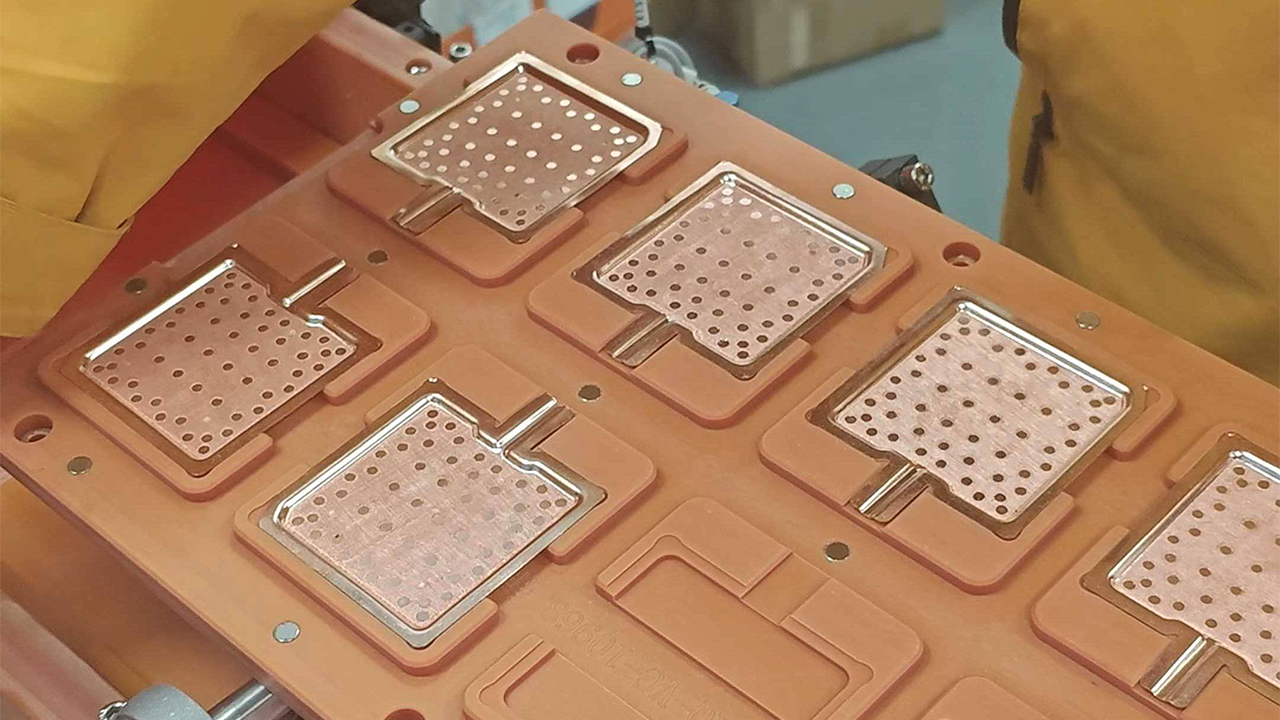
Copper is often used in components that are conductive and heat-conducting, and requires high precision in machining and high surface quality.

Plastic materials are widely used in consumer electronics for casings, internal structural components, and functional parts, emphasizing molding stability and consistency.

Thermoplastic engineering plastics

  • Polycarbonate (PC)
  • Polyoxymethylene (POM)
  • PEEK
  • ABS

General polymers

  • Polypropylene (PP)
  • Polyvinyl chloride (PVC)
  • Polyethylene (PE)

These materials are suitable for CNC machining, 3D printing, or injection molding, allowing for flexible selection of processes depending on the product stage.

Consumer electronics composite material processing capabilities

  • Garolite G-10
  • FR4

Composite materials are commonly used in electronic structural components, insulating parts, and functional support components, offering advantages in electrical performance and structural stability.

Surface treatment in consumer electronics is not only used for protection, but also directly affects the consistency of appearance and tactile experience.

Optional surface treatment methods

  • Anodizing
  • Powder coating
  • Electroless nickel plating
  • Insert installation
  • Heat treatment
  • Passivation

Different surface treatment processes can be optimized for wear resistance, corrosion resistance, or appearance to suit different product positioning and usage environments.

Consumer electronics industry application examples (Use Cases)

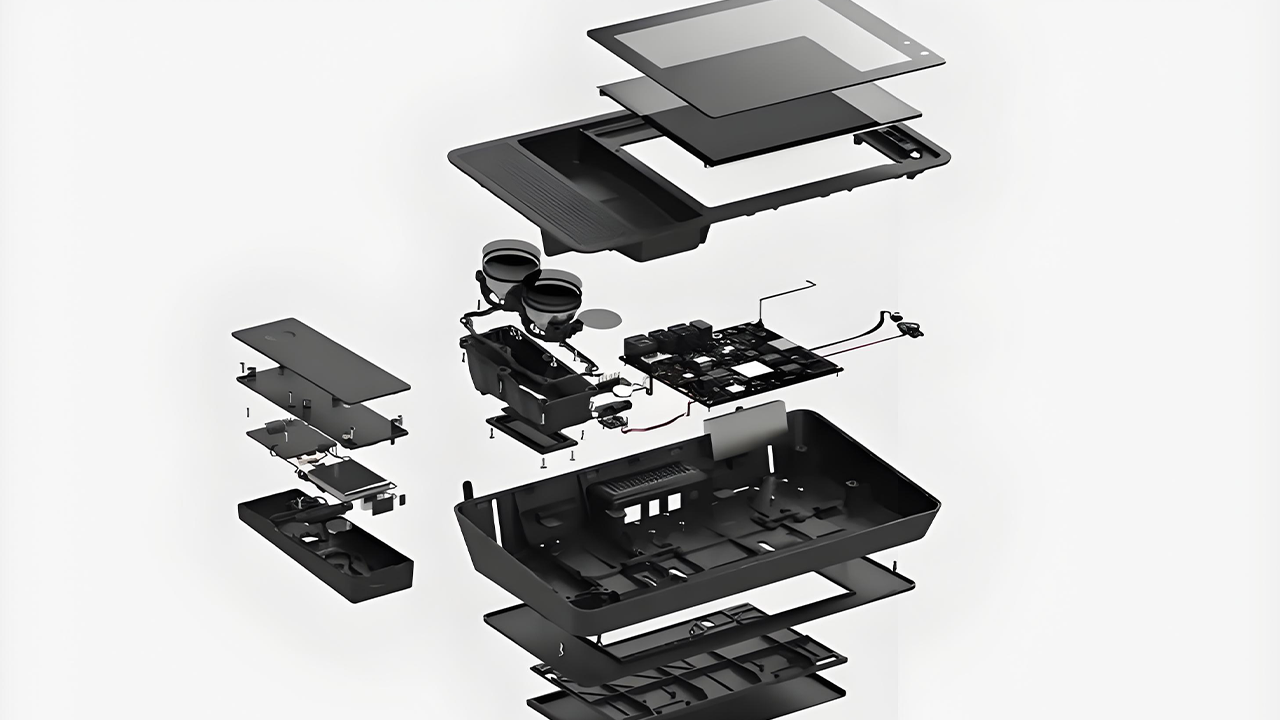
The manufacturing demands of consumer electronics products are typically characterized by diverse product types, significant structural differences, and rapid product updates. Leveraging our combined manufacturing capabilities in CNC machining, 3D printing, sheet metal processing, and injection molding, we provide feasible parts manufacturing support for various segments of the consumer electronics market.

Personal electronic devices

Personal electronic devices have high requirements for appearance consistency, structural precision and assembly reliability.

Typical applications

  • Metal or plastic casing
  • Internal structural support
  • Precision connectors

These parts are typically manufactured using CNC machining or injection molding, and are treated with surface finishing processes to meet appearance and feel requirements.

Kitchen appliances

Kitchen appliance parts must balance structural strength, durability, and long-term stability.

Application scenarios

  • Shell and frame structural components
  • Internal support components and functional parts
  • Heat-resistant and wear-resistant components

Depending on the function and batch requirements of the parts, sheet metal processing, CNC machining or injection molding can be selected for manufacturing.

Gaming peripherals and VR headsets

These products emphasize ergonomics, appearance design, and assembly precision.

Typical parts

  • Shell and structural frame
  • Internal support components
  • Customized functional components

3D printing is often used for rapid verification, followed by mass production and introduction through CNC or injection molding.

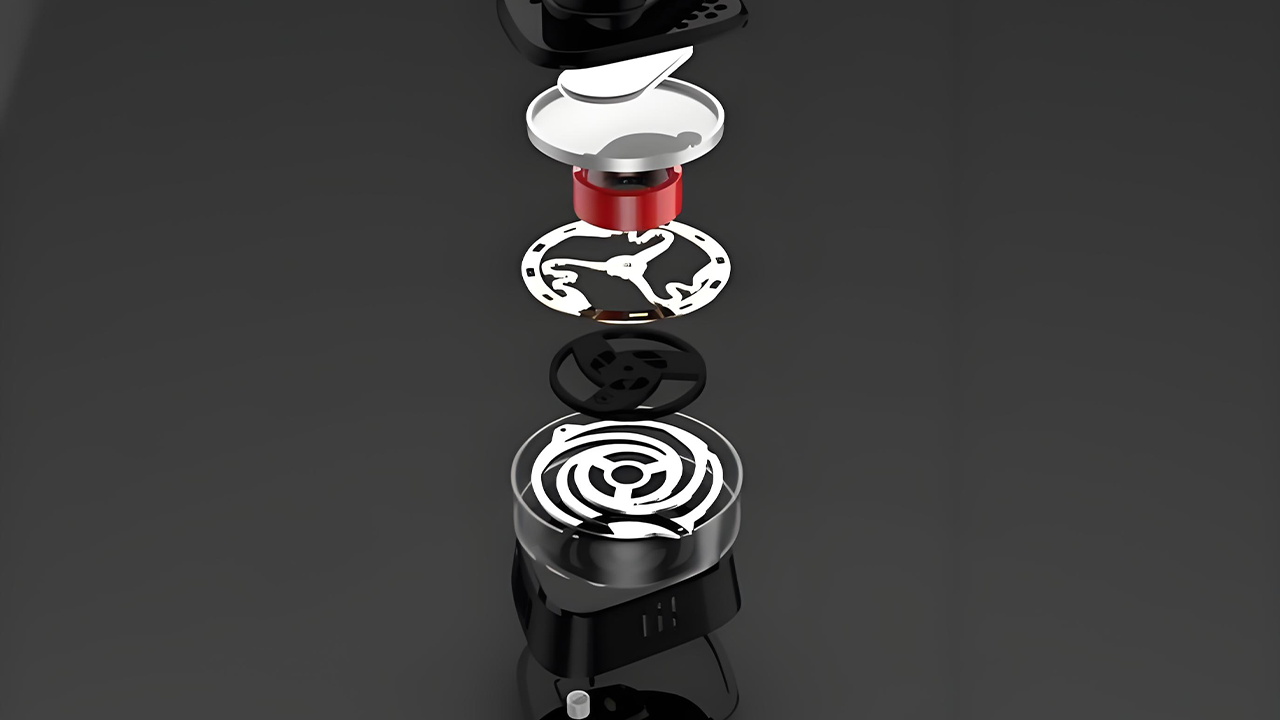
Headphones and other audio devices

Audio equipment has high requirements for dimensional accuracy, structural stability, and appearance consistency.

Application Examples

  • Earphone shell
  • Supporting structural components
  • Functional connecting components

These parts are typically manufactured through precision CNC machining or injection molding, and surface treatment is combined to improve their appearance quality.

Smart home and IoT products

Smart home and IoT devices are highly customized in terms of appearance design and functional integration.

Typical applications

  • Outer shell and protective structure
  • Mounting bracket
  • Internal structure and functional components

Multi-process manufacturing can accelerate product iteration while ensuring functionality.

Lighting fixtures and systems

Lighting products have specific requirements for structural stability, heat dissipation performance, and assembly precision.

Application scenarios

  • Lamp housing
  • Heat dissipation structural components
  • Mounting brackets and fasteners

CNC machining and sheet metal processing of aluminum alloys are widely used in this type of product.

Durable housing and protective casing

Durable consumer electronics typically require higher structural strength and environmental resistance.

Typical parts

  • Protective outer casing
  • Reinforced structural components
  • Outdoor use components

These parts are often manufactured by combining high-strength materials with surface treatment processes.

Consumer video devices

Video equipment has high requirements for structural precision, assembly consistency, and appearance quality.

Application Examples

  • Shell structural components
  • Internal fixing and mounting components
  • Functional support components

CNC machining and injection molding are widely used in this field.

Tools and Outdoor Products

Tools and outdoor consumer electronics products emphasize durability and structural reliability.

Application scenarios

  • Functional structural components
  • Protective housing
  • High-strength connecting components

Suitable for manufacturing using CNC machining or sheet metal processing.

Home electric vehicle charging station

Home charging equipment needs to meet requirements for structural stability, outdoor environmental adaptability, and safety.

Typical parts

  • Shell and supporting structure
  • Mounting bracket
  • Functional structural components

It is typically manufactured by combining sheet metal processing, CNC machining, and surface treatment processes.

Frequently Asked Questions

We ensure that consumer electronics components meet product grade requirements through standardized quality systems, controlled manufacturing processes, and verification documentation.

  • Manufacturing activities are conducted in accordance with quality systems such as ISO 9001, ISO 14001, and AS 9100.
  • Key dimensions and functional features are subject to strict control during the processing and inspection stages.
  • Appropriate quality and validation documents can be matched to different project phases.

This systematic approach ensures that parts maintain consistency in appearance, structure, and assembly.

Different manufacturing processes correspond to different precision ranges:

  • CNC machining: tolerances up to ±0.020 mm (±0.001 in)
  • Sheet metal processing: tolerances up to ±0.10 mm (±0.004 in)
  • 3D printing: Dimensional accuracy is ±0.3%, with a lower limit of ±0.3 mm (±0.012 in).

The specific accuracy will be determined based on the combination of part structure, materials, and manufacturing processes.

The design data and appearance schemes of consumer electronics products are highly commercially sensitive.

We implement systematic data and intellectual property protection measures within our platform and manufacturing network to ensure:

  • The design documents are only for manufacturing in the current project.
  • Data is stored and transmitted in a controlled environment.
  • Access to the manufacturing process is restricted.

This mechanism can effectively reduce the risk of design leaks.

If the delivered parts do not meet the confirmed technical specifications, we will handle them according to the established quality process:

  • Review design documents and manufacturing records
  • Analyze the causes of deviations and develop corrective measures.
  • Rework or remake after confirming the plan.

This process aims to restore project progress as quickly as possible and minimize the impact on subsequent mass production.

Scroll to Top