
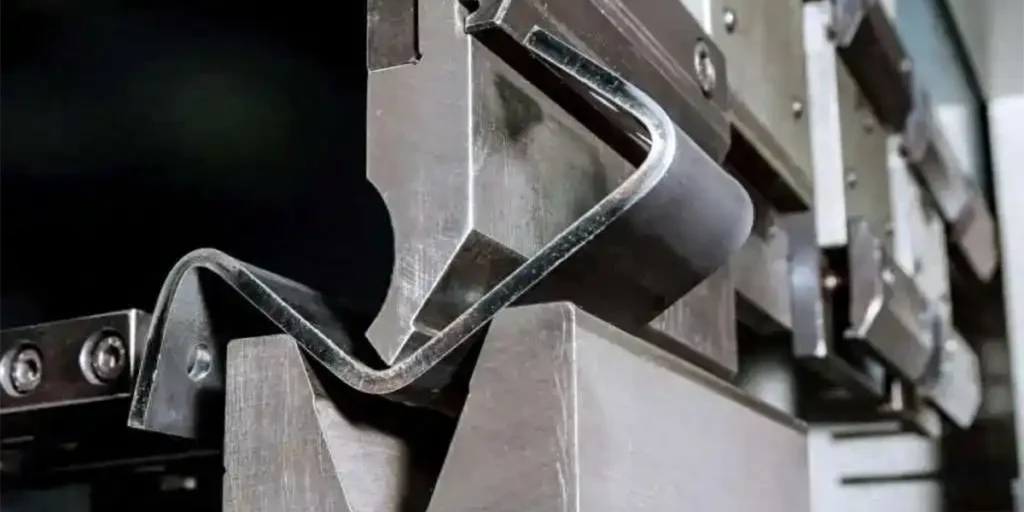
In CNC machining projects, material selection often directly determines the machining difficulty, cost structure, and final part performance. Different materials have significant differences in hardness, toughness, thermal conductivity, and cutting properties, all of which affect tool wear, machining efficiency, and dimensional stability.
From an engineering perspective, materials suitable for CNC machining can be broadly categorized into four types: metals, plastics, composites, and other engineering materials. Each type of material has its typical application scenarios and process characteristics, requiring rational selection based on product function, structural requirements, and production volume.
It is worth noting that with the continuous development of cutting tool technology and machining processes, most engineering materials can now be reliably machined using CNC technology. For common metals and engineering plastics, good dimensional accuracy and surface quality can usually be obtained as long as the design is reasonable and the correct machining parameters are matched.
In real-world projects, material selection is not only a technical issue but also a crucial aspect of cost optimization. Manufacturers with extensive processing experience can offer more cost-effective material recommendations while ensuring performance, thereby shortening development cycles and reducing trial-and-error costs.
Metallic materials
Metals are the most common material category in CNC machining, widely used in the manufacture of structural parts, functional parts, and high-precision mechanical components. Compared to other materials, metals have higher strength, stability, and durability, making them particularly suitable for load-bearing, transmission, and high-reliability applications.
Common CNC-machined metals mainly include the following categories:
1. Aluminum alloy
Aluminum alloys possess excellent machinability and low density, making them one of the most widely used materials in CNC machining. Their advantages include:
- Easy to process and high processing efficiency
- Lightweight yet of moderate strength
- Highly adaptable to various surface treatments (such as anodizing)
Aluminum alloys are commonly used for:
- Electronic product casing
- Structural components of automated equipment
- Prototyping and small-batch production
2. Stainless steel
Stainless steel has excellent corrosion resistance and mechanical strength, but it is relatively difficult to process and has more stringent requirements for cutting tools and processes.
Common applications include:
- Medical equipment parts
- Structural components for food machinery
- Industrial corrosion-resistant components
3. Carbon steel and alloy steel
Steel is suitable for high-strength structural components and is often used in scenarios requiring wear resistance or high load-bearing capacity.
Typical applications:
- Mechanical transmission parts
- Mold components
- Industrial equipment parts
4. Copper and copper alloys
Copper has good electrical and thermal conductivity, but because the material is relatively soft, cutting parameters need to be carefully controlled during processing.
Common applications:
- Electrical connections
- Heat dissipation structural components
- Precision electronic components
From a practical machining perspective, although there are many types of metal materials, most commonly used metals in engineering can be stably produced using mature CNC processes. By selecting appropriate tools, optimizing cutting parameters, and designing fixtures, machining quality and efficiency can be effectively guaranteed.
Plastic Materials
Engineering plastics are increasingly used in CNC machining, especially in the fields of electronics, electrical engineering, medical equipment, and precision equipment. Compared with metals, plastics are lightweight, corrosion-resistant, and have good electrical insulation properties, and in some cases, they can also effectively reduce processing costs.
Common CNC-machined plastic materials include:
1. ABS
ABS has good processing stability and impact resistance, making it suitable for structural verification and functional prototype manufacturing.
Typical applications:
- Shell structural components
- Functional test piece
- Industrial product prototypes
2. POM (polyoxymethylene)
POM has excellent dimensional stability and a low coefficient of friction, making it a common engineering plastic used in precision mechanical parts.
Typical applications:
- Gear parts
- Sliding structural components
- Precision mechanical components
3. Nylon (PA)
Nylon has good abrasion resistance and mechanical strength, but it is highly hygroscopic, requiring process control during processing.
Typical applications:
- Industrial wear-resistant parts
- Structural connectors
- Motion mechanism components
4. PMMA (Acrylic)
PMMA has excellent transparency and is often used in appearance parts and optically related structures.
Typical applications:
- Transparent casing
- Display components
- Optical structural components
5. PEEK
PEEK is a high-performance engineering plastic with high temperature resistance, corrosion resistance and high strength, and is often used in high-end manufacturing fields.
Typical applications:
- Medical structural components
- Aviation equipment parts
- High-temperature environment components
Composite materials
Composite materials are made by combining two or more different materials to achieve properties that are difficult to achieve with a single material. With the increasing demand for lightweight design, the application of composite materials in CNC machining is gradually increasing.
Common composite materials include:
1. Carbon fiber reinforced polymer (CFRP) composites
Carbon fiber has high strength, low weight and good rigidity, and is widely used in high-end manufacturing fields.
Typical applications:
- Aerospace structural components
- High-performance equipment components
- Structural components of unmanned equipment
2. Glass fiber reinforced polymer (GFRP) composite material
Glass fiber has a relatively low cost and good strength and corrosion resistance.
Typical applications:
- Industrial structural components
- Equipment casing
- Corrosion-resistant components
Although composite materials are relatively difficult to process, with the maturity of processing technology, composite materials have gradually become an important supplementary material for CNC manufacturing.
Other engineering materials
In addition to metals, plastics, and composite materials, some specialized engineering materials with specific properties are used in certain applications. These materials are typically used to meet requirements for high temperature resistance, wear resistance, or special functions.
Common types include:
1. Graphite materials
Graphite has good electrical conductivity and high temperature resistance, and is often used in the field of electrode processing.
Typical applications:
- EDM electrode
- Mold manufacturing
2. Ceramic materials (some are machinable)
Engineering ceramics have extremely high hardness and heat resistance, but they are also quite brittle and difficult to process.
Typically used for:
- High-temperature structural components
- Wear-resistant components
3. Foam Engineering Materials
Used for model manufacturing or structural verification, suitable for rapid fabrication.
Typical applications:
- Prototype Model
- Tooling and fixture verification
Compatibility of different materials with CNC processes
Although CNC machining is applicable to a wide range of materials, different materials perform significantly differently in actual machining. It is usually necessary to match the material properties with the process capabilities to ensure machining quality and production efficiency.
From an engineering perspective, the compatibility of materials with CNC processes mainly depends on the following factors:
1. Material hardness and machinability
Material hardness directly affects tool wear and machining efficiency:
- Materials such as aluminum alloys and brass have good machinability and high processing efficiency.
- Materials such as stainless steel and titanium alloys are difficult to cut.
- Engineering ceramics and other superhard materials require special processing solutions.
Appropriate tool selection and cutting parameters are key to ensuring stable machining.
2. Thermal stability and deformation risk
During machining, cutting heat can affect the dimensional stability of the material:
- Plastic materials are more prone to heat deformation.
- Thin-walled structural components are more prone to processing stress.
- High-precision parts typically require step-by-step machining to control deformation.
For precision parts, process planning is often more important than the equipment itself.
3. Material structural properties
The internal structure of different materials can also affect the processing results, for example:
- Composite materials may experience delamination issues.
- The casting material may contain internal porosity.
- Polymer materials are hygroscopic.
These factors all affect surface quality and dimensional accuracy.
4. Matching batch size with cost
Material compatibility is not only a technical issue, but also a cost issue:
- The prototype stage prefers materials that are easy to process.
- Mass production requires consideration of material utilization.
- High-value materials require more stable process control.
In actual manufacturing, experienced CNC engineering teams usually provide material optimization suggestions during the design phase, thereby reducing overall manufacturing risks.
Professional CNC machining customization service provider
In real-world projects, material selection often determines the processing difficulty and final cost. Whether it’s common metals, engineering plastics, or composite materials, most engineering materials can be reliably processed using mature CNC technology.
For parts with uncertain materials, complex structures, or high precision requirements, conducting engineering assessments in advance can significantly reduce development risks and shorten delivery cycles.
We have long focused on custom CNC machining and possess extensive experience in multi-material machining. We can provide services tailored to your design requirements:
- Material selection recommendations
- Processing feasibility assessment
- Cost optimization plan
- Support for rapid prototyping and mass production
If you are looking for a reliable CNC machining partner, please submit your drawings or requirements. Our engineering team will provide you with tailored machining solutions and quotes.