


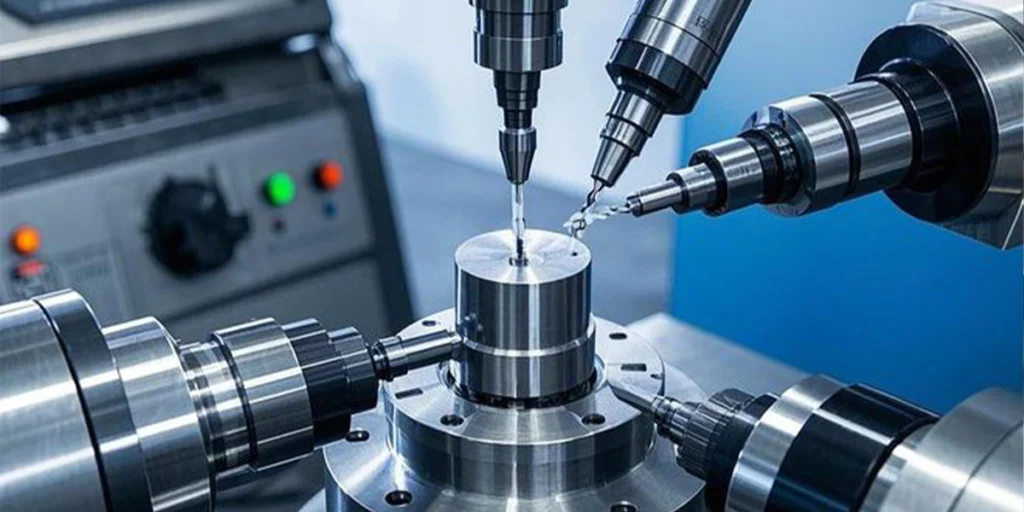
How to clean a CNC machine tool
Cleaning CNC machine tools is crucial for maintaining their long-term stable operation. Regular cleaning not only effectively prevents debris from affecting machine tool accuracy but also reduces the occurrence of malfunctions. The following are the basic steps for cleaning CNC machine tools:
- Machine tool exterior cleaning: Gently remove dust and metal shavings from the machine tool surface using a soft cloth or vacuum cleaner. Pay special attention to cleaning the control panel, operating buttons, and display screen, and avoid getting cleaning agents into the electrical components.
- Spindle and Tool Cleaning: Clean the spindle and tool surfaces with a clean cotton cloth or brush to remove oil and cutting residue. Pay special attention to the spindle taper hole and tool holder, ensuring there are no obstructions during cleaning to avoid affecting machining accuracy.
- Cooling System Cleaning: Inspect the coolant reservoir to ensure it is full and clean. Regularly clean impurities from the coolant reservoir, and replace the filter and coolant as needed to prevent contaminants from affecting cooling performance.
- Pneumatic system cleaning: Drain moisture and impurities from the pneumatic triplet (including filter, pressure reducing valve, and lubricator), check for air leaks in the pneumatic pipeline, and ensure that the air source is clean and stable.
CNC machine tool daily cleaning project
Routine cleaning is fundamental to ensuring the proper functioning of machine tools. The following are the key areas of a CNC machine tool that require daily cleaning:
- Work surface: Clean the control panel and operating buttons daily to remove surface dust and grease. Use a soft cloth or vacuum cleaner; avoid using corrosive cleaning agents to prevent damage to electrical components.
- Spindle and Cutting Tools: Clean the taper hole of the spindle and the surface of the tool holder daily to remove debris and oil. Clean the tool surface each time you change tools to prevent rust or affecting tool accuracy.
- Guide rails and lead screws: Use a clean cloth or brush to remove oil, dust, and metal shavings from the guide rails and lead screws. Ensure adequate lubrication to maintain smooth movement and prevent wear caused by insufficient lubrication or contaminants.
- Chip Removal System: Inspect the chip conveyor and chip removal channels to ensure they are not clogged with metal chips or debris. Keeping the chip removal system clear helps prevent waste chips from affecting machining accuracy.
- Coolant and Filter: Check the coolant level daily and replace it promptly. Clean the coolant tank and filter to prevent dirt buildup and ensure the cooling system functions properly.
- Pneumatic System: Regularly check the working status of the pneumatic system. Drain moisture and impurities from the pneumatic triplet to avoid processing interruptions caused by unstable air supply.
Regular maintenance of CNC machine tools
In addition to daily cleaning, regular maintenance is crucial for extending the lifespan of machine tools. The following are maintenance tasks that need to be performed monthly or quarterly:
- Guide rail and lead screw maintenance: Check the lubrication of the guide rail and lead screw monthly, and add or replace the lubricating oil as necessary. Check the guide rail for wear and the lead screw for looseness or abnormalities, and adjust or replace it in a timely manner.
- Tool Magazine and Robotic Arm Maintenance: Regularly clean the tool holders inside the tool magazine and the robotic arm to remove metal shavings and oil. Check whether the tool changing action of the tool magazine is smooth and whether the gripping and releasing functions of the robotic arm are normal, and make adjustments as necessary.
- Cooling System Maintenance: Check the coolant concentration and performance monthly to ensure efficient operation of the cooling system. Inspect the working condition of the coolant pump and filter to prevent machine tool performance from being affected by filter blockage or insufficient coolant.
- Electrical System Maintenance: Monthly inspection of electrical cabinet wiring connections for looseness and cables for damage. Clean dust and oil from electrical components and maintain proper heat dissipation. Inspect drives, power modules, etc., for any abnormalities.
- Pneumatic System Inspection: Monthly inspection of the sealing and operation of pneumatic components to ensure there are no leaks or looseness. Regularly check the stability of the air supply to prevent abnormalities in the pneumatic system from affecting machine tool operation.
- Precision Inspection and Adjustment: Inspect the machine tool’s precision quarterly, including straightness and roundness. Make appropriate precision adjustments based on the measurement results to ensure that the machining accuracy meets the requirements.
By following the cleaning and maintenance steps above, you can not only maintain the performance of CNC machine tools but also significantly extend their service life. Regular maintenance and cleaning will help prevent malfunctions and improve production efficiency.
Methods to extend the life of CNC machine tools
To extend the service life of CNC machine tools, we need to consider multiple aspects, including environmental control, daily maintenance, regular upkeep, operating procedures, and handling of long-term downtime. Here are some key methods:
1. Environmental Control
- Temperature stability: Maintain the ambient temperature around the machine tool between 15℃ and 35℃. For precision machining, it is recommended to control it at around 20℃. Avoid excessive temperature fluctuations, as thermal expansion and contraction of machine tool components may affect machining accuracy.
- Suitable humidity: The humidity in the workshop should be below 70%. Excessive humidity can cause electronic components to become damp and damaged. If necessary, dehumidification equipment can be used to control the humidity.
- Dust and contamination prevention: Maintain a clean workshop to reduce the accumulation of dust, oil mist, and metal powder. Effective ventilation systems and dust control measures prevent dust from entering the CNC system and mechanical components, ensuring stable system operation.
2. Routine maintenance
- Cleaning and maintenance: Clean the machine tool surface, guide rails, tool magazine, chip conveyor, and other parts daily to remove chips and oil stains. Timely cleaning prevents the accumulation of debris, ensures the smooth operation of moving parts of the machine tool, and avoids affecting machining accuracy.
- Lubrication check: Regularly check the lubrication of moving parts such as guide rails, lead screws, and bearings. Ensure the lubrication system is working properly and replenish lubricating oil or grease in a timely manner to avoid wear of parts caused by insufficient lubrication.
- Pneumatic and hydraulic system maintenance: Check if the pneumatic pressure is stable, typically maintained between 0.5-0.7 MPa. Regularly check the hydraulic oil level and quality, promptly replace contaminated or deteriorated hydraulic oil, and clean the hydraulic system filters to ensure efficient system operation.
3. Regular maintenance
- Mechanical component inspection: Weekly check the smoothness of tool changing operations for tools, tool holders, and tool magazines. Monthly check the lubrication of guide rails and the normal operation of limit switches and stop blocks. Every six months, check the wear and clearance of motors, lead screws, and bearings for each axis, adjusting or replacing components as necessary.
- Electrical system maintenance: Regularly clean the dust inside the electrical cabinet, check for loose cables and connectors, ensure the cooling fan is operating normally, and prevent electrical components from overheating. Inspect and replace the CNC system battery annually to prevent data loss due to battery depletion.
- Precision calibration: Regularly use equipment such as laser interferometers and ballbars to check the positioning accuracy, repeatability, and geometric accuracy of each axis. Perform corrections and compensations as necessary to ensure consistent machining accuracy of the machine tool.
4. Operating Procedures
- Proper Start-up and Preheating: Before starting the machine, check the power supply voltage, oil condition, etc., to ensure the equipment is in good working order. After starting the machine, preheat for 10-15 minutes to allow all parts of the machine tool to reach a stable operating temperature, avoiding premature wear caused by direct operation.
- Use equipment properly: Avoid overloading during cutting. Select appropriate cutting tools and parameters based on the workpiece material and machining requirements to prevent machine tool overload. Excessive load can lead to premature wear of mechanical parts and even serious damage.
- Standardized operating procedures: Strictly adhere to safety regulations during operation, and avoid arbitrarily striking or straightening the workpiece. Always stop the machine when changing tools or workpieces to ensure safe equipment operation.
5. Handling of long-term downtime
- Cleaning and rust prevention before shutdown: If the machine tool is to be shut down for an extended period, it should first be cleaned and rust-preventive oil applied to protect the metal parts. Regularly inspect components such as the spindle and lead screw to prevent corrosion and damage caused by prolonged disuse.
- Regular power-on operation: Power on the system every 1-3 weeks for approximately 1 hour to prevent damage to electronic components from moisture. Regular power-on helps maintain normal battery power and system parameters, preventing system malfunctions caused by prolonged inactivity.
These methods not only effectively reduce wear and tear and malfunctions of CNC machine tools, but also improve their stability and accuracy, extending their service life. In daily operation, paying attention to environmental control, proper use, regular maintenance, and post-shutdown care will ensure the machine tool maintains long-term high-efficiency operation and guarantees smooth production.