


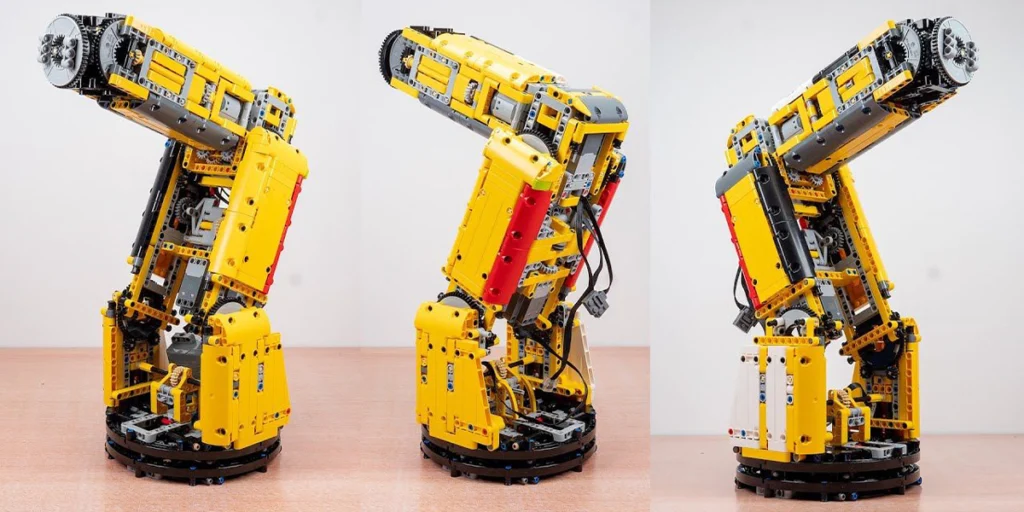
In robot manufacturing, more and more key components are beginning to rely on 5-axis CNC machining, especially in application scenarios with complex structures and high precision requirements, where traditional 3-axis or simple machining methods are no longer sufficient to meet the needs.
If you have needs for machining robot structural components or joint parts, we can provide you with professional 5-axis CNC machining services. We have extensive experience in machining complex parts and can achieve high-precision, multi-angle integrated manufacturing, ensuring stable performance of parts in terms of strength, accuracy, and assembly consistency.
In practical applications, 5-axis CNC mainly solves the following key problems.
Complex surface processing capabilities
Robot joint housings, wrist structures, and some lightweight designs typically contain a large number of complex curved surfaces and irregular structures. These parts have very high requirements for machining paths and tool angles.
Through 5-axis simultaneous machining, we can complete multi-angle cutting in a single setup, effectively ensuring:
- Surface accuracy
- Structural consistency
- Processing stability
Compared to the traditional multiple clamping method, it can significantly reduce human error and improve overall quality.
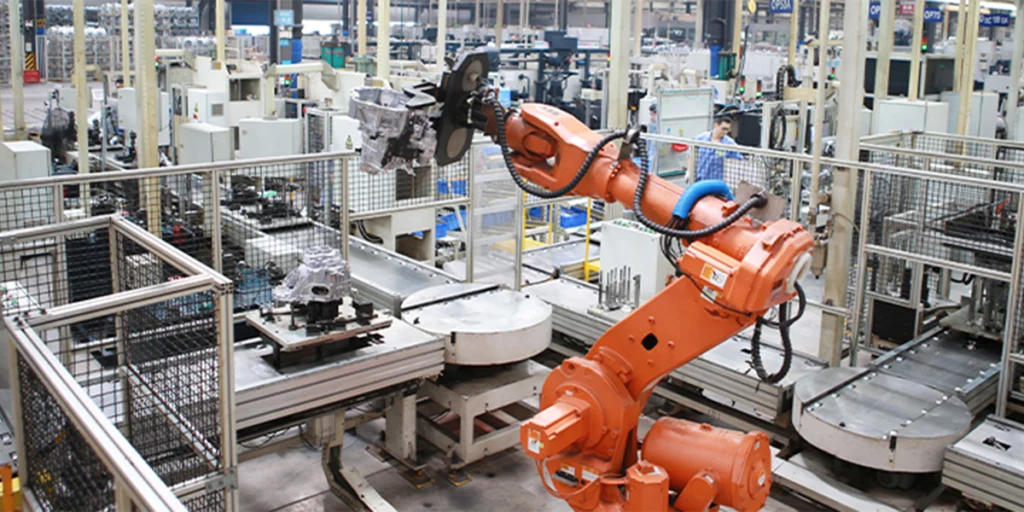
Integrated processing capabilities
In robot component design, more and more structures are becoming integrated to reduce the number of connectors and improve overall rigidity.
We can directly machine complex integral structural parts using 5-axis CNC, for example:
- One-piece joint shell
- Structural components for integrated mounting positions
- Complex connectors with multi-faceted machining
This processing method can avoid errors caused by splicing multiple parts, while improving structural strength and long-term stability.
Reduce assembly errors
For multi-joint robotic arms, assembly error is one of the important factors affecting accuracy.
With 5-axis CNC machining, we can complete the machining of multiple key surfaces in a single setup, controlling the process from the source:
- Coaxiality
- Parallelism
- Position
This reduces subsequent assembly adjustments and improves overall assembly efficiency and consistency.