
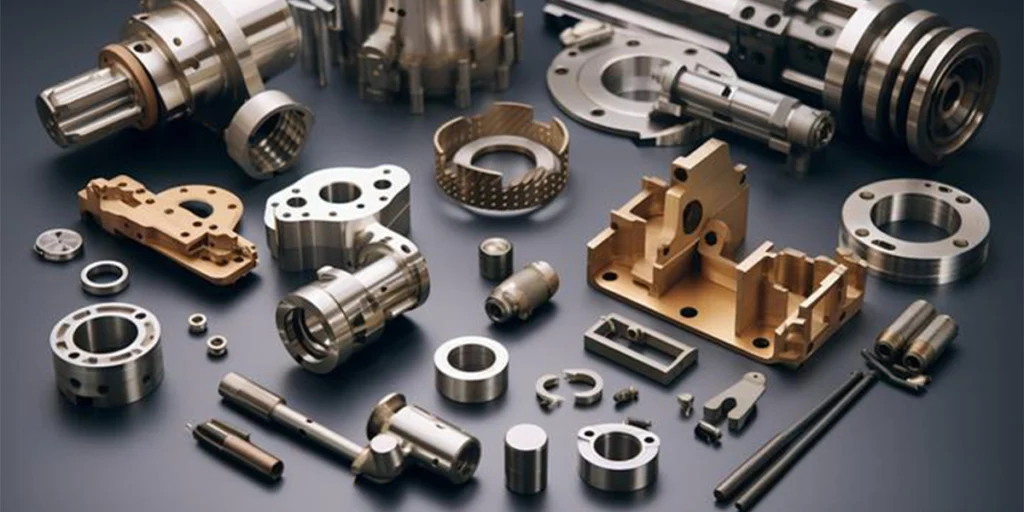
CNC machining is widely used in many industrial sectors, but different industries have different requirements for parts. From dimensional accuracy to material selection, from surface treatment to quality control systems, there are significant differences between industries.
For example, the medical industry focuses on precision and biocompatibility, the automotive industry emphasizes cost and batch stability, while the aerospace industry places higher demands on structural reliability and material performance. These differences directly affect the process routes, equipment configurations, and quality management methods of CNC machining.
Therefore, when selecting a CNC machining supplier, it is not enough to focus solely on machining capabilities; more importantly, it is crucial that they possess practical experience and understanding of the relevant industry processes. Manufacturers with cross-industry machining experience can typically provide more valuable support in areas such as design optimization, material recommendations, and process stability.
Difference between accuracy and tolerance requirements
Different industries have significantly different requirements for dimensional accuracy, which is one of the most critical variables in CNC machining process planning.
Medical Industry: Ultra-high Precision and Surface Quality Requirements
Medical device parts typically involve assembly and contact with the human body, requiring high precision and surface roughness. For example:
- Common tolerance range: ±0.01 mm or higher
- Strict requirements for burr control.
- High requirements for surface treatment consistency
These types of parts often require:
- Precision machining center
- Micro-tool machining capability
- Strict testing procedures
In addition, material contamination and structural damage must be avoided during the processing.
Aerospace industry: Emphasizing both structural precision and stability
Aerospace parts typically have the following characteristics:
- Complex structure
- High material hardness
- High strength-to-weight ratio requirements
In addition to dimensional accuracy, it is also necessary to ensure that:
- Processing stress control
- Deformation control
- Batch consistency
This places higher demands on equipment rigidity and process experience.
Automotive Industry: Balancing Precision and Cost
Automotive parts are typically mass-produced, so while ensuring functional precision, it is necessary to control processing costs.
Typical characteristics include:
- Tolerance requirements are relatively stable
- Greater emphasis on processing rhythm
- Emphasize batch consistency
These types of projects typically require efficiency improvements through process optimization and fixture design.
In actual production, suppliers with multi-industry processing experience can select appropriate processing solutions based on different tolerance levels, controlling costs while ensuring quality. For projects with complex structures or high precision requirements, it is recommended to communicate with the processing team during the design phase to reduce later modification costs.
Differences in materials and processes
Industry differences are not only reflected in precision, but also directly in material selection and processing technology. The cutting performance, thermal stability, and surface treatment requirements of different materials all affect CNC machining solutions.
Medical industry: primarily biocompatible materials
Medical parts often use the following materials:
- Stainless steel
- Titanium alloy
- Medical-grade engineering plastics (such as PEEK)
These materials typically have the following characteristics:
- High cutting difficulty
- High surface quality requirements
- Strict cleanliness requirements
During the machining process, it is necessary to control tool wear and optimize cutting parameters.
Aerospace industry: High-strength, difficult-to-machine materials
Common materials for aerospace structural components include:
- High-strength aluminum alloy
- Titanium alloy
- High temperature alloy
These materials often exist in:
- Cutting heat concentration
- Rapid tool wear
- High risk of deformation during processing
Multi-axis machining and step-by-step machining strategies are required to ensure structural stability.
Electronics and Industrial Equipment Industry: Material Diversification
Electronic and industrial equipment parts typically use a wider range of materials, including:
- Aluminum alloy
- Brass
- Engineering plastics such as ABS and PC
These types of projects place more emphasis on:
- Appearance quality
- Processing efficiency
- Surface treatment matching
Therefore, processing plans are usually optimized in conjunction with batch requirements.
In real-world projects, material selection not only affects the difficulty of machining but also directly determines machining costs and delivery cycles. Experienced CNC machining teams can provide material substitution suggestions during the design phase and optimize machining paths based on structural characteristics, thereby improving overall manufacturing efficiency.
Differences between compliance and quality systems
In CNC machining projects, industry differences are not only reflected in the structure and materials, but also directly in the quality systems and compliance requirements. Different application areas have clear regulations on the traceability of the production process, testing standards, and document management, and these requirements often determine the entry threshold for suppliers.
Healthcare industry: Emphasizing traceability and risk control
Medical device components typically need to comply with stringent quality management systems, such as:
- Raw material batch traceability
- Processing record
- Full-size inspection report
- Surface treatment and cleaning standards
In actual processing, medical projects often require stricter process control and the establishment of a complete production record chain to meet audit and certification requirements.
Aerospace industry: Emphasizing reliability and process stability
Aerospace components not only require dimensional accuracy, but also high stability and repeatability of the manufacturing process. Common requirements include:
- Special process control
- Tool life management
- First Article Inspection (FAI)
- Strict document control system
These types of projects typically require suppliers to have mature quality management processes and long-term stable process capabilities.
Automotive industry: Emphasizing batch consistency and process efficiency
The automotive industry focuses more on:
- Mass production stability
- Process capability control (CPK)
- Balancing cost and quality
Therefore, high requirements are placed on fixture design, process optimization, and production cycle control.
Currently, most mainstream manufacturing quality systems are based on standards frameworks published by the International Organization for Standardization, such as ISO 9001 and ISO 13485. CNC machining manufacturers with mature quality systems are usually better able to meet the machining requirements of cross-industry projects.
Professional precision parts processing service provider
Different industries have significantly different requirements for CNC machining. From precision and tolerances to materials and quality systems, every aspect affects the final machining result. Therefore, choosing a machining team with cross-industry experience is particularly crucial.
We specialize in precision CNC machining of parts and support:
- Multi-material processing (aluminum alloy, stainless steel, titanium alloy and engineering plastics)
- Prototyping and mass production
- Rigorous quality control process
- Experience in processing projects across multiple industries (medical, automotive, industrial equipment, etc.)
If you are looking for a reliable CNC machining supplier, or wish to optimize the structure and machining scheme during the design phase, please submit your drawings or project requirements. Our engineering team can provide manufacturability advice based on the part structure and industry standards, and quickly provide a quotation.