Services
CNC Milling
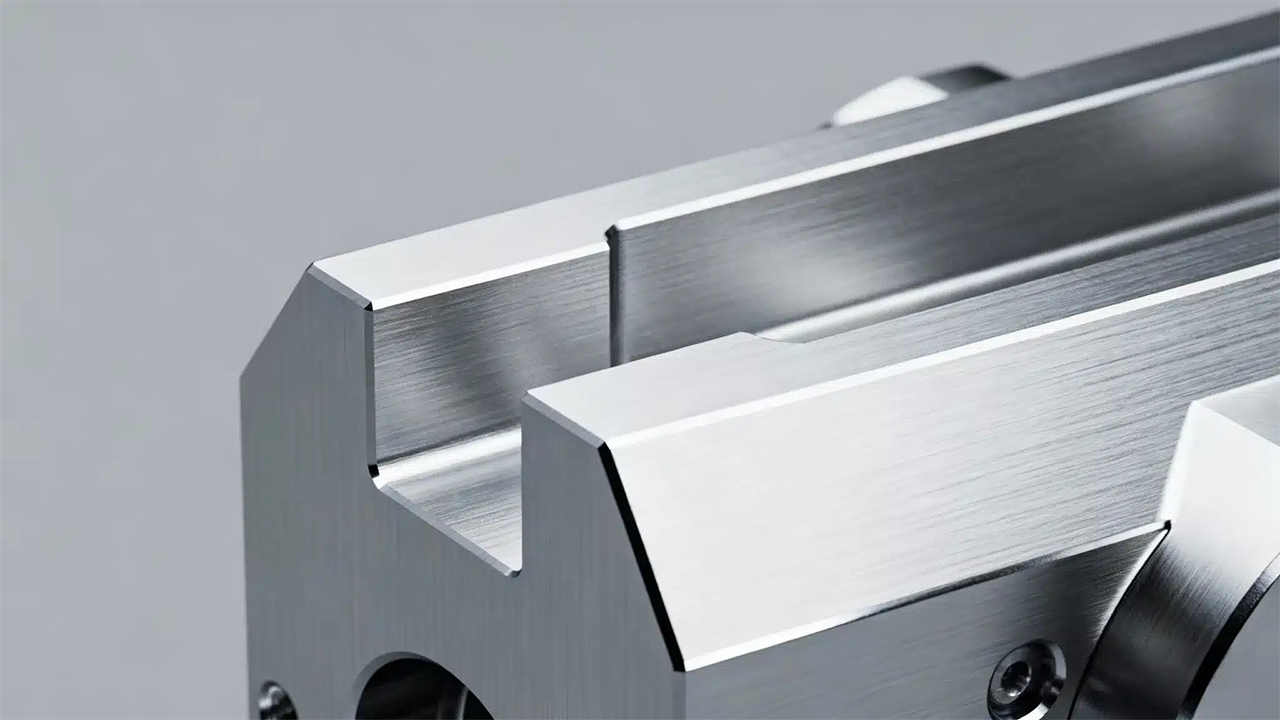
High-precision custom CNC milled parts
Why US
Choose our CNC milling services
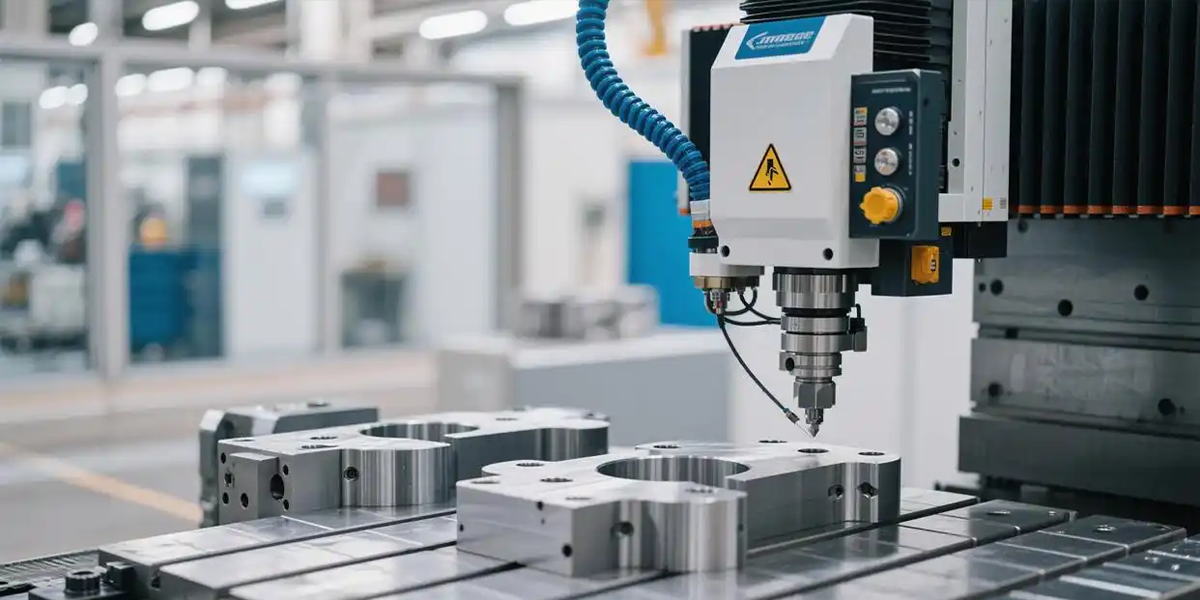
We offer CNC milling services to international clients , specializing in the manufacture of high-precision, customizable metal and plastic parts. Using 3-axis, 3+2-axis, and multi-axis CNC milling centers, we can reliably transform design files into finished parts that meet assembly and functional requirements.
Whether you need rapid prototyping, functional verification, or subsequent medium to high-volume production, our CNC milling services can strike a balance between accuracy, delivery time, and scalability.
What is CNC milling
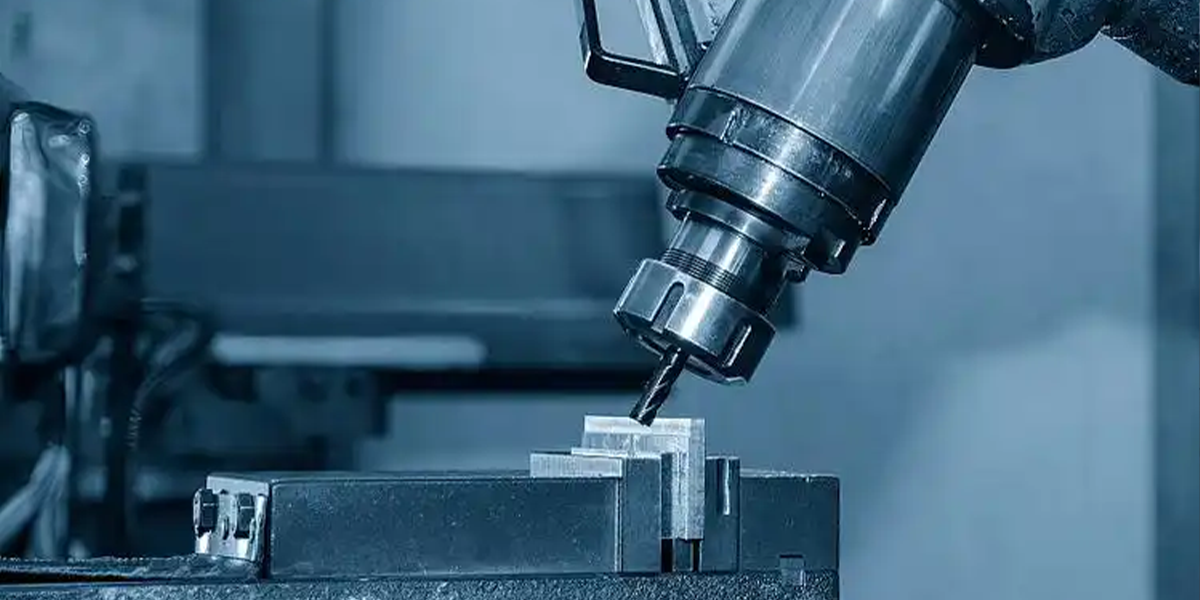
CNC milling is a CNC machining process that removes material from a stationary workpiece in multiple directions using a rotating cutting tool. Unlike turning, CNC milling is better suited for machining non-rotationally symmetric parts, such as planes, cavities, steps, complex contours, and multifaceted structures.
Typical applicable scenarios include:
- Multifaceted structural parts
- Functional components with complex geometric contours
- Assemblies requiring high flatness or positional accuracy
- Prototype and mass production parts made of metal or engineering plastics
Multi-axis CNC milling allows for the machining of multiple surfaces in a single setup, reducing accumulated errors and improving overall dimensional consistency. This is why CNC milling is widely used in aerospace, medical, automation, and high-end industrial fields.
CNC milling capabilities and maximum machining dimensions
Different types of CNC milling centers vary significantly in machining dimensions, structural complexity, and cost structure. We flexibly configure 3-axis or 3+2-axis CNC milling processes based on the part’s geometry, material type, and precision requirements to achieve optimal machining efficiency and cost control.
- Soft metals: aluminum, copper, brass
- Hard metals: stainless steel, tool steel, alloy steel, low carbon steel
3-axis CNC milling
3-axis CNC milling is suitable for parts with relatively simple geometry and whose main features are concentrated in a single direction or a small number of surfaces. This type of process has low start-up costs and is very suitable for rapid prototyping and small to medium batch production.
Maximum machining size:
Soft metals and plastics
- 2000 × 1500 × 200 mm
- 1500 × 800 × 500 mm
hard metal
- 1200 × 800 × 500 mm
Minimum feature size: diameter 0.50 mm
Applicable materials include aluminum, copper, brass, and most engineering plastics. For parts with clear structures and cost-sensitive requirements, 3-axis CNC milling is often the most cost-effective option.
3+2 axis CNC milling
3+2 axis CNC milling (also known as positioning 5- axis) allows the tool to approach the part features from multiple directions by angularly positioning the workpiece before machining, while maintaining three-axis linkage during the cutting process.
This approach allows for the following without significantly increasing costs:
- Reduce the number of clamping operations
- Improves machining stability for deep cavities, oblique holes, and sidewall features.
- Improve overall dimensional consistency
Maximum machining size:
- Soft metals and plastics: 2000 × 1500 × 200 mm
- Hard metal: 1200 × 800 × 500 mm
- Minimum feature size: Diameter 0.50 mm
3+2 axis CNC milling is ideal for precision parts that require multi-face machining but do not yet require continuous five-axis linkage, providing a more balanced solution between accuracy, efficiency and cost.
CNC milling can machine materials
Our CNC milling services enable the stable machining of over 50 types of metals and engineering plastics. We not only support rapid delivery of common materials but also have experience machining high-strength, difficult-to-machine materials, suitable for both prototyping and mass production.
Different materials vary significantly in terms of cutting force, thermal deformation, tool wear, and surface quality. Therefore, during the quotation and process planning stages, we will simultaneously evaluate the impact of materials on accuracy, tolerance, and delivery time.
Our CNC milling centers can process a variety of metal materials, including light alloys, structural steel, stainless steel, and high-performance alloys.
Common metallic materials include:
- Aluminum alloy (light alloy CNC milling)
Suitable for high-precision, complex structural parts, and widely used in aerospace, consumer electronics and automation equipment.
- Stainless steel
High strength and corrosion resistance, commonly used in medical, industrial equipment and food-related components.
- Low carbon steel / Alloy steel / Tool steel
Suitable for high-strength structural components, fixtures, and load-bearing parts.
- Copper/Brass
Suitable for conductive, thermally conductive, or decorative parts, requiring high precision in tool and cutting parameter control.
- Titanium and nickel alloys (superalloys)
For aerospace and high-performance applications, higher requirements are placed on processing stability and process experience.
During metal CNC milling, we adjust the cutting strategy according to the material properties to balance surface quality, dimensional stability and production efficiency.
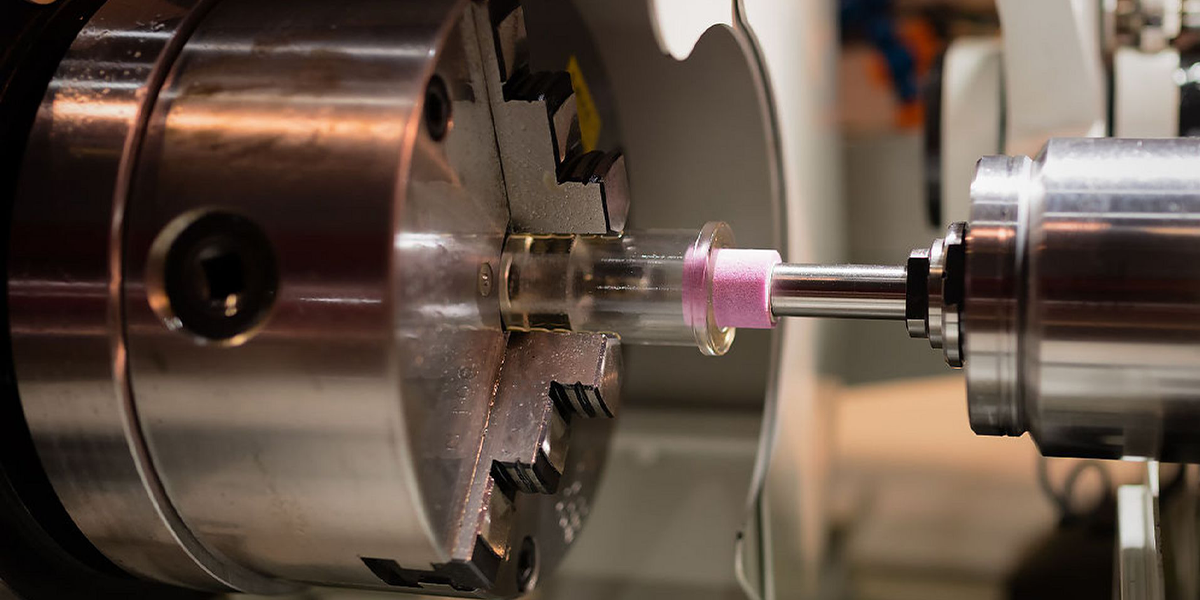
In addition to metalworking, we also offer high-precision CNC milling services for plastics, suitable for functional prototypes, test pieces, and end-use parts.
Commonly used engineering plastics include:
- POM (Polyoxymethylene/acetal)
It has good dimensional stability and is suitable for precision structural parts and sliding components.
- Nylon (PA)
It combines strength and toughness and is often used in mechanical parts and housings.
- ABS
Easy to process, suitable for prototype CNC milling and functional verification.
- Polycarbonate (PC)
It has good impact resistance and is suitable for transparent or high-strength plastic parts.
- PVC, PP, PE
Commonly used in chemical environments or lightweight structural components.
- PTFE (Teflon)
It has low friction and strong chemical resistance, but requires high clamping and cutting control.
- PMMA (Acrylic)
Suitable for transparent and exterior parts, requiring high-quality surface treatment.
Compared to injection molding, CNC milling of plastics has advantages in terms of low volume, rapid iteration and design flexibility.
CNC milling surface treatment and surface finish
After CNC milling, proper surface treatment not only affects the appearance of the parts, but also directly relates to wear resistance, corrosion resistance, assembly performance, and long-term stability.
We offer a variety of post-processing solutions based on the application scenarios and material properties of the parts to ensure that the finished products meet functional and aesthetic requirements.
Smoothing process
Removes obvious tool marks; suitable for functional parts and internal structural components.
Fine processing
It improves surface consistency and is suitable for parts that require high assembly precision.
Polishing
It improves surface finish and appearance, and is often used on exposed parts or transparent plastic parts.
Sandblasting
Uniform surface texture reduces glare and conceals minor machining marks.
Anodizing
Enhanced corrosion resistance and surface hardness; available in a variety of colors.
Powder coating
Provides wear-resistant and corrosion-resistant surface protection, suitable for structural components and housings.
Brushed finish
It forms directional textures and is often used for exterior parts and decorative parts.
Electropolishing
While maintaining the texture, it further improves the surface smoothness and cleanliness.
During the quotation and manufacturing stages, we determine which surface treatments are necessary and which are optional based on the intended use of the part, thus avoiding unnecessary cost accumulation.
CNC milling tolerances and quality control
Tolerance capability is one of the core indicators for evaluating the reliability of CNC milling manufacturing services. We develop clear tolerance control standards based on material type, part size, and machining process, and continuously verify them during production.
| Limitations of nominal size | Plastics (ISO 2768-m) | Metals (ISO 2768-f) |
|---|---|---|
| 0.5 – 3 mm | ±0.10 mm | ±0.05 mm |
| 3 – 6 mm | ±0.10 mm | ±0.05 mm |
| 6 – 30 mm | ±0.20 mm | ±0.10 mm |
| 30 – 120 mm | ±0.30 mm | ±0.15 mm |
| 120 – 400 mm | ±0.50 mm | ±0.20 mm |
| 400 – 1000 mm | ±0.80 mm | ±0.30 mm |
| 1000 – 2000 mm | ±1.20 mm | ±0.50 mm |
| 2000 – 4000 mm | ±2.00 mm | |
| *Please clearly indicate the tolerance of nominal dimensions being less than 0.5mm on the technical drawings. | ||
Why Choose Us, a CNC Milling Manufacturer
Choosing a Chinese CNC milling manufacturer essentially involves weighing manufacturing capabilities, stability, communication efficiency, and long-term scalability. Our role is not that of a “contract manufacturer,” but rather a manufacturing partner who can continuously support your project at different stages.
- Engineering-oriented CNC milling manufacturing services
We don’t just manufacture according to drawings. Before quoting and manufacturing CNC milling, we evaluate the structural rationality, material selection, and manufacturability of the parts from an engineering perspective to avoid problems being exposed during the production stage.
- Mature CNC milling centers and stable delivery capabilities
By leveraging multiple types of CNC milling centers, we can select appropriate machining solutions based on the complexity of the parts, rather than forcibly adapting a single machine to all projects.
- Collaboration methods for international clients
We provide CNC milling services to many countries and regions in Europe, America, and Southeast Asia, and are familiar with the common requirements of international customers in terms of drawing specifications, quality documents, and delivery expectations.
If you already have CAD files, you can send them to us directly to get a CNC milling quote. If you are still in the design or evaluation stage, we can also assist in determining the feasibility of the process and the cost range.