
What are the advantages of CNC milling?
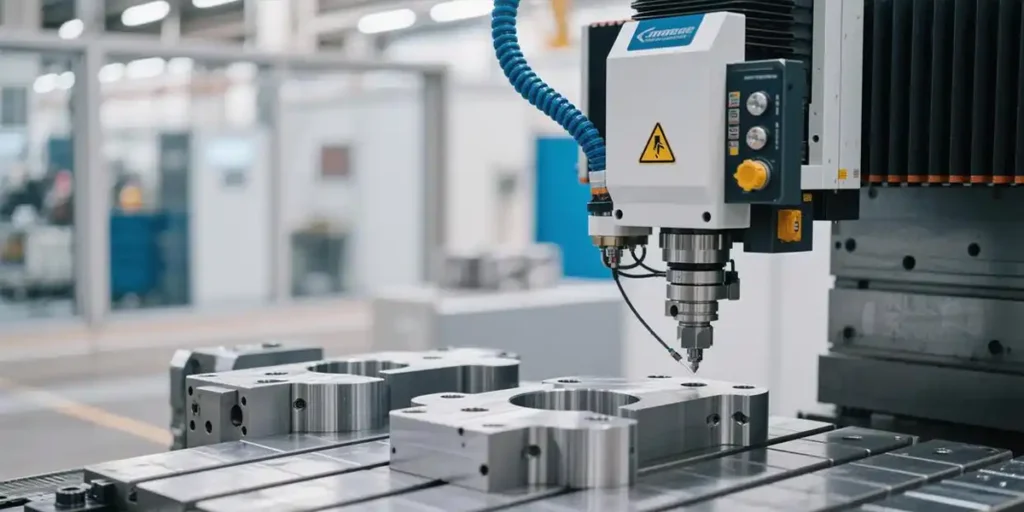
The reason why CNC milling has become the mainstream manufacturing process is that it has achieved a good balance between precision, complexity and stability, and is especially suitable for manufacturing high-requirement parts.
Accuracy
One of the core advantages of CNC milling is its controllable high precision.
- Standard machining accuracy can reach ±0.02 mm, and even higher for critical parts.
- The CNC system ensures consistency in repetitive machining processes, making it suitable for mass production.
- Automated control reduces human error and improves stability
Compared to traditional machining, it not only achieves precision but also ensures that every piece is identical. This is why CNC milling is the standard choice in industries such as medical, aerospace, and precision equipment.
Complex structures
Compared to turning or stamping, CNC milling has a greater advantage in terms of structural freedom.
- Capable of machining complex curved surfaces and irregular contours
- Supports multi-faceted machining (especially 5-axis).
- Enables highly integrated components, reducing assembly complexity
For example:
- Internal structure
- Irregular shape
- Multi-angle holes
These structures would often require multiple steps or be impossible to achieve using traditional techniques.
What are the disadvantages of CNC milling?
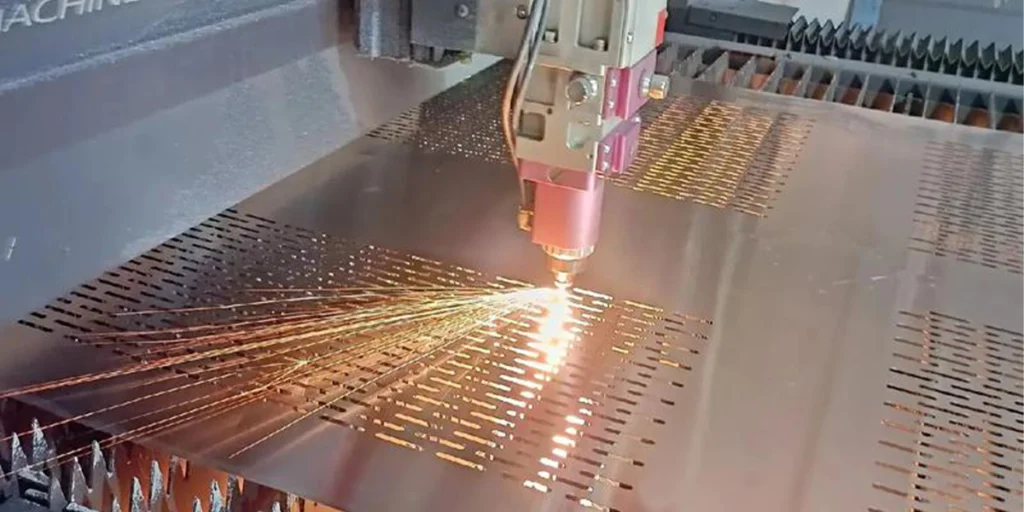
CNC milling is not a “one-size-fits-all” solution; its limitations mainly lie in cost and material compatibility.
Cost
CNC milling is generally not the lowest-cost manufacturing method, especially in the following situations:
- Simple structural parts (cheaper to make by stamping/casting)
- Mass production (lower cost after mold amortization)
The main sources of cost include:
- High equipment investment
- Processing time cost (machine tool occupancy)
- Tool wear
- Programming and engineering costs
If the design is flawed, costs will be further amplified, for example:
- Unnecessarily high tolerances
- Too many complex structures
- Difficult-to-machine features (deep cavity, thin wall)
Material limitations
Although CNC milling is applicable to a wide range of materials, there are still limitations:
- Soft materials (such as certain types of rubber) are difficult to process stably.
- The processing cost of ultra-hard materials (such as high-hardness steel after quenching) is extremely high.
- Easily deformable materials are prone to instability during processing.
In addition, some materials, while processable, can cause problems:
- Severe tool wear
- Surface quality is difficult to control
- Low processing efficiency
In such cases, it is usually necessary to adjust the process or consider alternative solutions.
How to avoid shortcomings
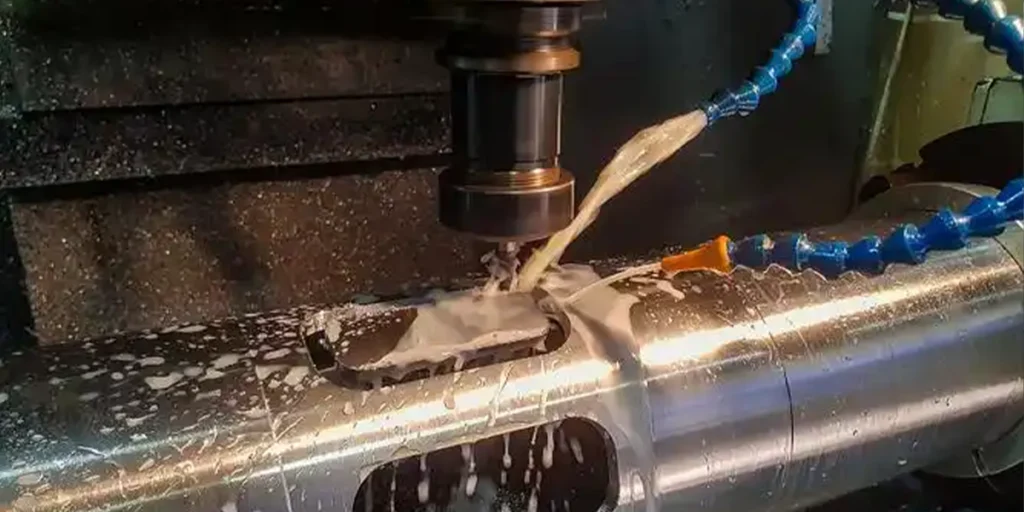
Most of the drawbacks of CNC milling can be avoided through early optimization, rather than being passively accepted.
Design optimization
Many cost issues actually originate in the design phase.
Common optimization directions:
- Allow tolerances to be reasonably relaxed (avoid excessive precision requirements)
- Avoid deep cavities and slender structures
- Add rounded corners to reduce the difficulty of machining sharp angles.
- Standardized aperture and structure
A simple design adjustment can often bring about significant changes:
- Processing time decreased
- Extended tool life
- Improved yield
Process selection
Not all parts need to be machined using CNC milling; a more reasonable approach is to use a combination process.
- Simple structure → stamping/laser cutting
- Mass production → Casting/Injection molding
- Complex and precision structures → CNC milling
This is also common in real-world projects:
- The rough blank is cast, and the key parts are precision machined by CNC.
- Or combine with 3D printing for rapid verification
How we help our clients reduce costs
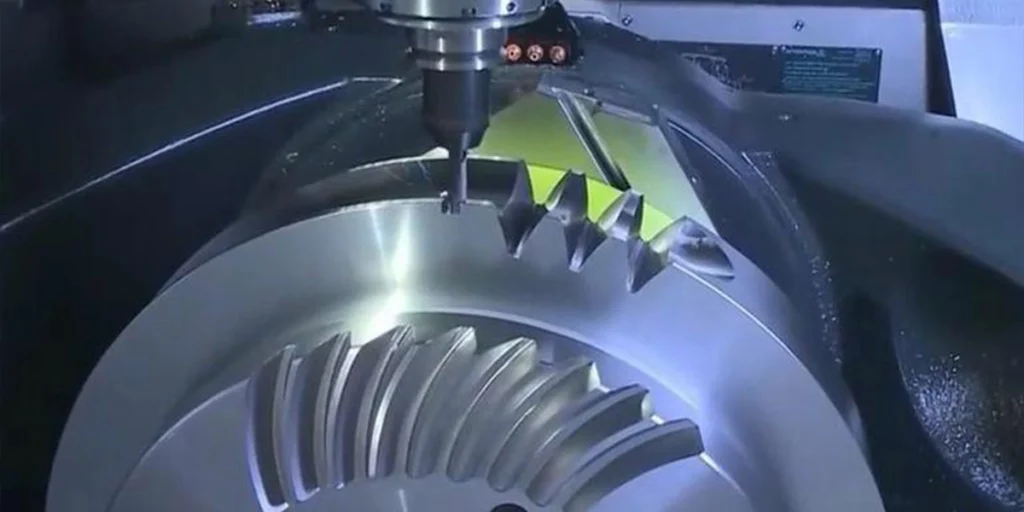
For most customers, the real problem isn’t that CNC is expensive, but that it’s not being used correctly. In helping our clients manufacture, we control costs through several key points:
- Preliminary DFM Analysis
Instead of simply following instructions, identify high-cost structures before processing and provide optimization suggestions. - Process route optimization
By optimizing toolpaths and machining strategies, machining time and tool wear can be reduced. - Appropriate equipment matching
Choose 3-axis or 5-axis based on the complexity of the parts, rather than simply using high-cost equipment. - Material and Batch Strategy
Based on the quantity and intended use, the most suitable materials and production methods will be recommended. - Stable quality control
Reducing rework and scrap is an overlooked but crucial hidden cost.
If you are evaluating whether CNC milling is suitable for your project, upload your CAD files → Get a free DFM analysis + cost optimization suggestions.