


The medical industry has much higher requirements for component manufacturing than general industrial sectors. In addition to dimensional accuracy, material stability, corrosion resistance, surface cleanliness, biocompatibility, and long-term reliability all directly affect the safety and lifespan of medical devices.
This is why the medical industry has long favored stainless steel, especially 316 and 316L stainless steel, when choosing metal materials.
For medical device manufacturers, choosing a CNC machining supplier with stable precision machining capabilities is not only related to the quality of parts, but also to product certification, batch consistency and supply chain stability.
Zhuohua Hardware has long provided stainless steel CNC machining services to the medical, automation, and high-precision equipment industries, supporting complex structural parts, small-batch prototyping, and stable mass production. It can provide manufacturing suggestions and DFM optimization support based on customer drawings and application scenarios.
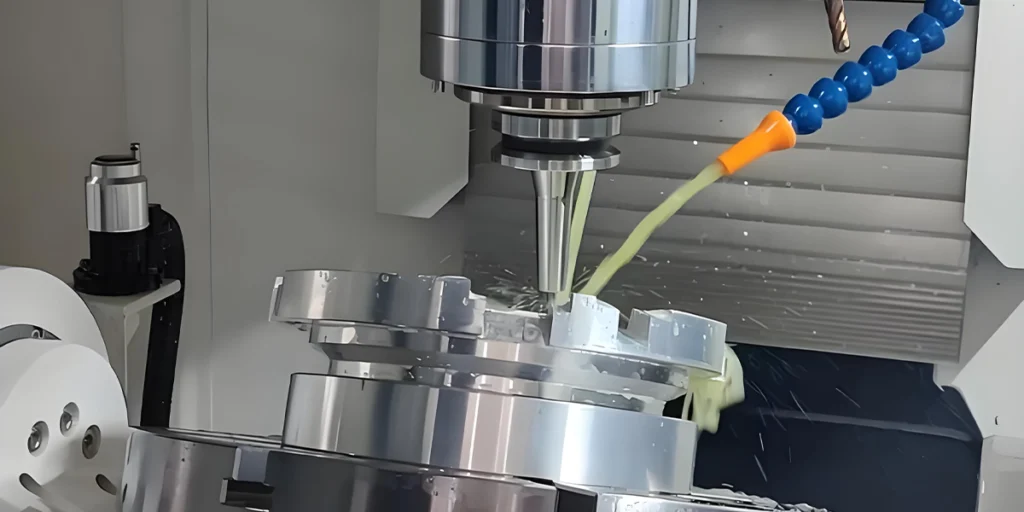
Why do medical parts prefer 316 stainless steel?
Stronger corrosion resistance
Medical equipment is frequently in contact with:
- Disinfectant
- Humid environment
- Chemical cleaning agents
- High-temperature sterilization environment
Ordinary metals are prone to oxidation, corrosion, or surface failure during long-term use, while 316 stainless steel, due to its molybdenum content, has stronger corrosion resistance.
Compared to 304 stainless steel, 316 stainless steel is more stable in the following environments:
- Frequent cleaning of the environment
- Medical disinfection environment
- Salinous environment
- High humidity environment
Therefore, 316 stainless steel is widely used in:
- Surgical instruments
- Medical connectors
- Medical pumps
- Precision supports
- Dental equipment parts
- Medical automation equipment
For medical equipment that operates for extended periods, corrosion resistance not only affects its lifespan but also its stability and maintenance costs.
Good biocompatibility
316 and 316L stainless steel have good biocompatibility, which is one of the important reasons for their widespread use in the medical industry.
In some medical applications, the material requires:
- Does not easily release pollutants
- Stable to the human body environment
- Maintains surface integrity over a long period of time
Material stability is particularly critical in medical contact devices. Although different medical projects have different certification requirements, 316 stainless steel remains one of the mainstream materials in the manufacture of medical components.
More suitable for high-precision parts
Medical devices typically contain a large number of:
- Miniature parts
- High-precision structural components
- Matching accessories
- Complex flow channel structure
Although 316 stainless steel is more difficult to process than aluminum, its strength and stability make it more suitable for high-precision medical components.
In actual manufacturing processes, medical components typically have strict requirements for the following parameters:
- Dimensional tolerances
- Surface roughness
- Coaxiality
- Roundness
- Hole position accuracy
Therefore, the stability of processing equipment and engineering experience are crucial.
Zhuohua Hardware supports high-precision CNC milling and turning of stainless steel, and can select appropriate processing strategies according to the characteristics of medical device parts, helping customers improve part consistency and processing stability.
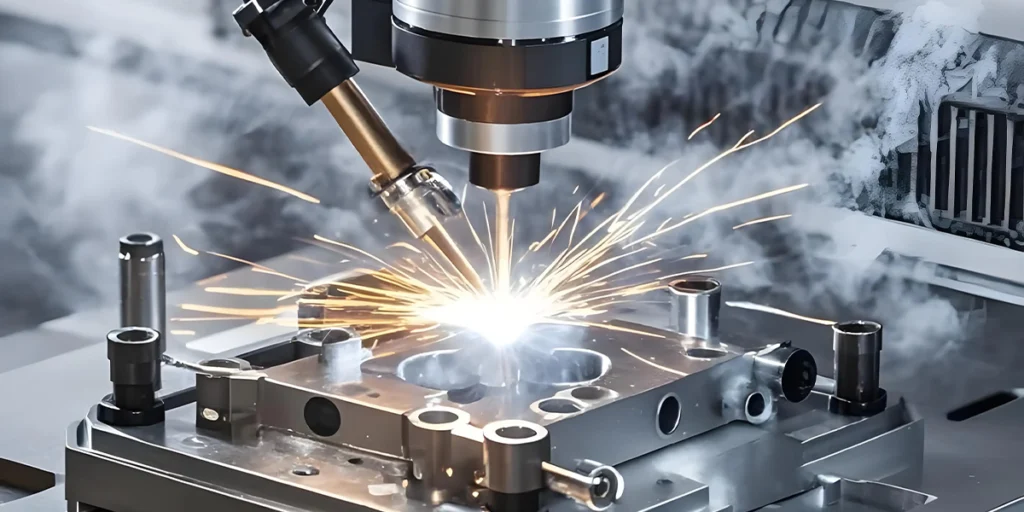
Medical processing precision requirements
Why does the medical industry value precision?
Many parts in medical devices are core functional components. Even very small dimensional deviations can affect:
- Assembly accuracy
- Sealing performance
- Motion stability
- Liquid control
- Long-term reliability
Therefore, the medical industry typically has higher requirements for CNC machining precision.
Especially in the following parts:
- Surgical equipment
- Medical automation components
- Precision guiding structure
- Miniature connectors
- Testing equipment parts
High-precision machining has become a basic requirement, rather than an additional capability.
Common medical component tolerance requirements
Medical parts typically involve:
| project | Common requirements |
| Dimensional tolerances | ±0.01mm ~ ±0.02mm |
| Surface roughness | Ra 0.8 or higher |
| Hole position accuracy | High consistency |
| coaxiality | Precision control |
| Repeated processing stability | Batch Consistency |
Challenges in medical component manufacturing
Compared to ordinary industrial parts, medical parts typically present the following challenges:
Minor features
- Micropores
- Thin-walled
- Small-size threads
- Precision slots
These structures are prone to deformation or tool wear.
High surface requirements
Medical devices typically require more stable surface quality to reduce:
- Pollution residue
- Friction problem
- Cleaning difficulty
Therefore, the finishing stage is crucial.
Batch Consistency
The medical industry not only focuses on sample quality, but also on:
- Long-term stability
- Batch consistency
- Reproducible capacity
This places high demands on the equipment management and quality systems of processing suppliers.
How do we ensure the precision of medical components?
Zhuohua Hardware has long provided precision CNC machining services, supporting:
- 3-axis and 5-axis CNC machining
- High-precision turning
- Complex structure processing
- Small batch and mass production
Our machining accuracy can reach ±0.02mm, and we support:
- Processing based on provided drawings
- DFM optimization
- Feasibility analysis of processing
- Size Inspection Report
For projects in the healthcare industry, we pay more attention to:
- Process stability
- Consistency of repeated processing
- Critical Dimension Control
- Surface quality stability
This is also a key capability that medical device customers focus on when choosing long-term suppliers.
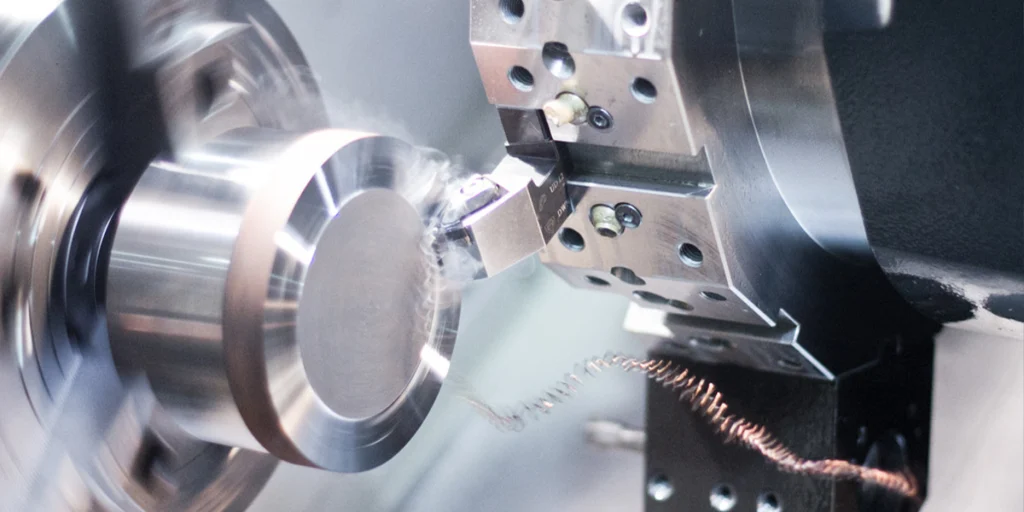
Surface treatment and cleanliness requirements
Why do medical components place greater emphasis on surface quality?
In the medical industry, the surface condition of parts not only affects their appearance but also directly relates to the safety, corrosion resistance, and subsequent cleaning effectiveness of the equipment. Even if the dimensional accuracy is up to standard, the presence of obvious tool marks, burrs, residual contaminants, or rough areas on the surface can affect the long-term stable operation of medical equipment.
In particular, surface quality requirements are often higher in the following applications:
- Surgical equipment
- Medical fluid systems
- Medical automation equipment
- Testing and analysis equipment
- Medical connectivity components
Therefore, medical stainless steel parts usually require precision machining and post-treatment to obtain a more stable surface condition.
Common medical stainless steel surface treatments
Finishing
Finishing is mainly used to improve the surface roughness and dimensional stability of parts, reduce obvious machining marks, and improve assembly accuracy and operational stability.
For medical components, precision machining not only affects the visual appearance, but also:
- Sealing performance
- Friction performance
- Ease of cleaning
- Long-term durability
Polishing
Polishing further reduces surface roughness, making parts easier to clean and reducing the risk of contaminant adhesion. Therefore, some medical parts utilize this process.
- Mechanical polishing
- Mirror polishing
- Electropolishing
Electropolishing is commonly used in the medical industry because it can further improve corrosion resistance and surface cleanliness.
Deburring and edge treatment
Medical parts are generally not allowed to have noticeable burrs or sharp edges, as this could affect:
- Assembly stability
- Operational safety
- Cleaning effect
Especially for micro-structured parts, even small burrs can affect the performance of the final product. Therefore, professional processing plants usually perform meticulous deburring after machining.
The Importance of Cleanliness Control
The medical industry typically has stricter requirements for the cleanliness of parts. This cleanliness is generated during the manufacturing process.
- Residual cutting fluid
- Metal scraps
- Oil stains
- Microparticles
All of these could affect subsequent assembly or equipment operation.
Therefore, the processing of specialized medical parts typically increases:
- Ultrasonic cleaning
- Cleanroom packaging
- Individually packaged
- Post-processing cleaning procedures
Especially in export medical projects, customers usually pay more attention to the surface condition and packaging specifications of parts upon delivery.
The processing of stainless steel medical parts , Zhuohua Hardware can provide surface treatment solutions such as precision machining, polishing, sandblasting, and electropolishing according to project requirements , and cooperate with subsequent cleaning and packaging requirements to help customers improve product consistency and delivery quality.
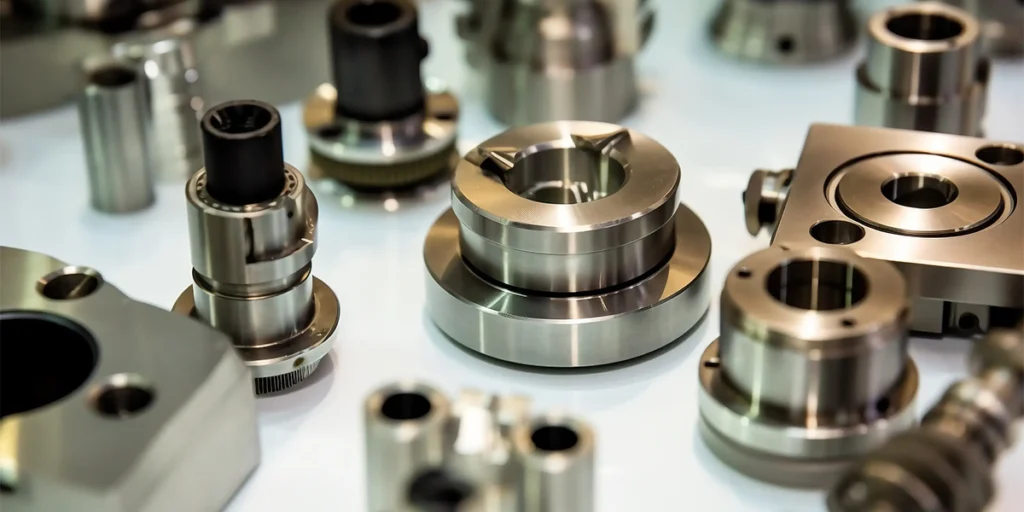
Medical Parts Quality Traceability
Why does the healthcare industry emphasize quality traceability?
Compared to general industrial products, medical devices place a greater emphasis on long-term reliability and risk control. If a component malfunctions, customers need to be able to quickly trace the problem.
- Source of materials
- Processing batch
- Test Records
- Processing time
- Production process
Therefore, quality traceability has become one of the important requirements in the manufacturing of medical components. For medical customers, suppliers who can provide complete production records are usually more worthy of long-term cooperation.
Common Quality Control Contents for Medical Components
The following are typically the key control points for medical stainless steel parts:
| Testing items | Main purpose |
| Size inspection | Ensure assembly accuracy |
| Surface inspection | Controlling surface quality |
| Material confirmation | Ensure the correctness of materials |
| Batch Management | Improve traceability capabilities |
| Visual inspection | Avoid defect outflow |
For high-precision projects, some clients also require:
- First Article Inspection Report (FAI)
- Supporting documents
- Size Inspection Report
- Batch sampling inspection records
The importance of a stable supply chain
The medical industry typically doesn’t frequently change manufacturing suppliers because re-validating the supply chain increases costs.
- Time cost
- Certification costs
- Risk control costs
Therefore, customers are more concerned about whether suppliers possess the following:
- Long-term stable processing capacity
- Batch consistency
- Process standardization
- Rapid response capability
Especially during the mass production phase of medical equipment, a stable supply chain is more important than a single instance of low price.
How we support healthcare projects
Zhuohua Hardware has long provided CNC machining support to the high-precision equipment industry and can provide solutions tailored to the requirements of medical projects.
- Precision machining of stainless steel
- Manufacturing of complex structural parts
- Small batch prototyping
- Stable mass production
- Size detection support
- Surface treatment support
We support the processing of various stainless steel materials such as 303, 304, 316, and 416, and combine 3-axis and 5-axis CNC milling and high-precision turning capabilities to help customers meet their manufacturing needs from prototype development to mass production delivery.
For our clients in the medical industry, our focus extends beyond just parts manufacturing; it also includes:
- Long-term stability
- Processing consistency
- Delivery efficiency
- Engineering coordination capabilities
This is also an important foundation for the stable progress of medical equipment projects.