


The food processing equipment industry typically has higher requirements for parts than general industrial equipment. In addition to dimensional accuracy, material safety, corrosion resistance, surface finish, and long-term stability all directly affect equipment lifespan and food safety.
This is why more and more food machinery manufacturers are choosing professional stainless steel CNC machining suppliers instead of ordinary metal processing plants.
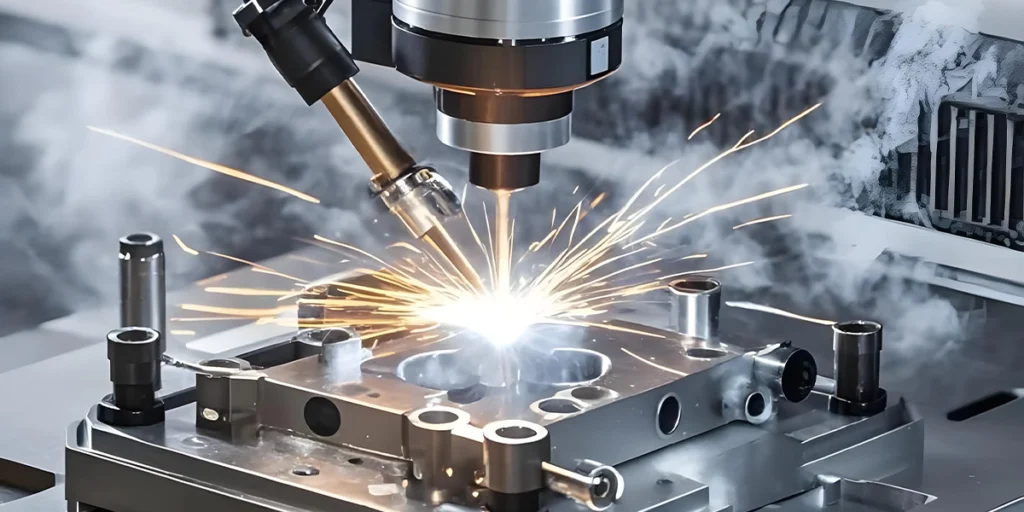
At Zhuohua Hardware, we provide high-precision stainless steel CNC machining services for food equipment, automated filling systems, food conveying equipment, liquid handling systems, and industrial kitchen equipment , supporting everything from prototyping to mass production.
We are capable of processing:
- 304 stainless steel
- 316 stainless steel
- 316L stainless steel
- 17-4PH stainless steel
Provided:
- CNC milling
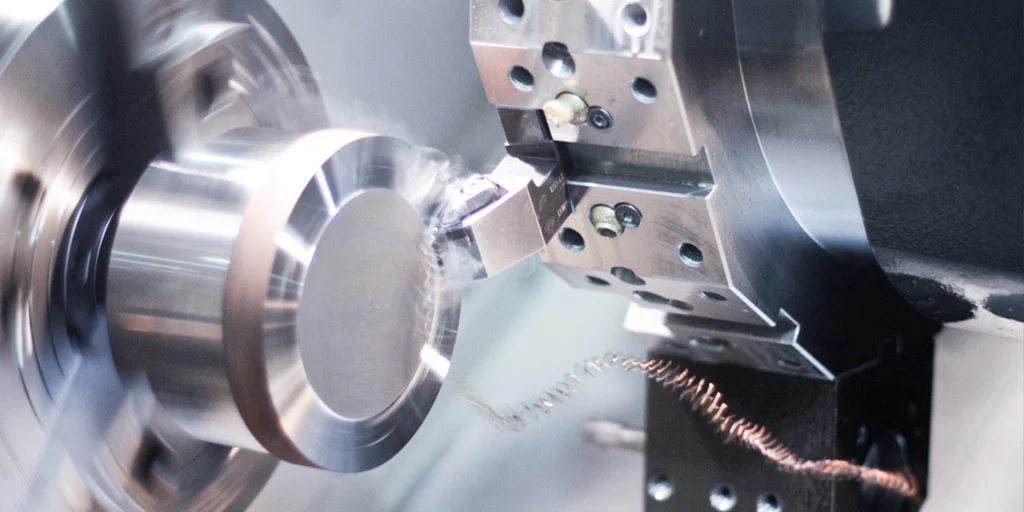
- CNC turning
- Precision hole machining
- Finishing after welding
- Surface treatment and polishing
We help our clients meet the food industry’s requirements for hygiene, safety, and corrosion resistance.
Food-grade stainless steel requirements
What is food-grade stainless steel?
Food-grade stainless steel typically refers to stainless steel materials that can be in long-term contact with food while meeting hygiene, safety, and corrosion resistance requirements.
These materials need to have:
- Excellent corrosion resistance
- Not prone to rust
- Easy to clean
- Does not contaminate food
- High long-term stability
In the food processing equipment industry, the most common materials are:
- 304 stainless steel
- 316 stainless steel
- 316L stainless steel
304 is the most widely used standard food-grade material, while 316 is more suitable for highly corrosive environments.
Why is stainless steel used extensively in food processing equipment?
Compared to ordinary carbon steel or aluminum alloy, stainless steel is more suitable for the long-term operating environment of food equipment, mainly for the following reasons:
Strong corrosion resistance
Foods typically come into contact with the following during food processing:
- Moisture
- Salt content
- Acidic liquid
- Cleaning chemicals
Ordinary metals are prone to corrosion, while stainless steel can remain stable over a long period of time.
Easy to clean
Food processing equipment typically requires frequent cleaning, and a high-quality stainless steel surface can reduce this:
- Bacterial attachment
- Liquid residue
- Pollution risk
Therefore, surface treatment quality is very important in food processing equipment.
Better strength and stability
Food processing machinery typically requires long-term continuous operation.
Stainless steel parts can withstand:
- High-frequency use
- Temperature change
- Mechanical shock
- Long-term load
This is why automated food processing equipment extensively uses stainless steel structural components and precision parts.
Common processing types of food-grade parts
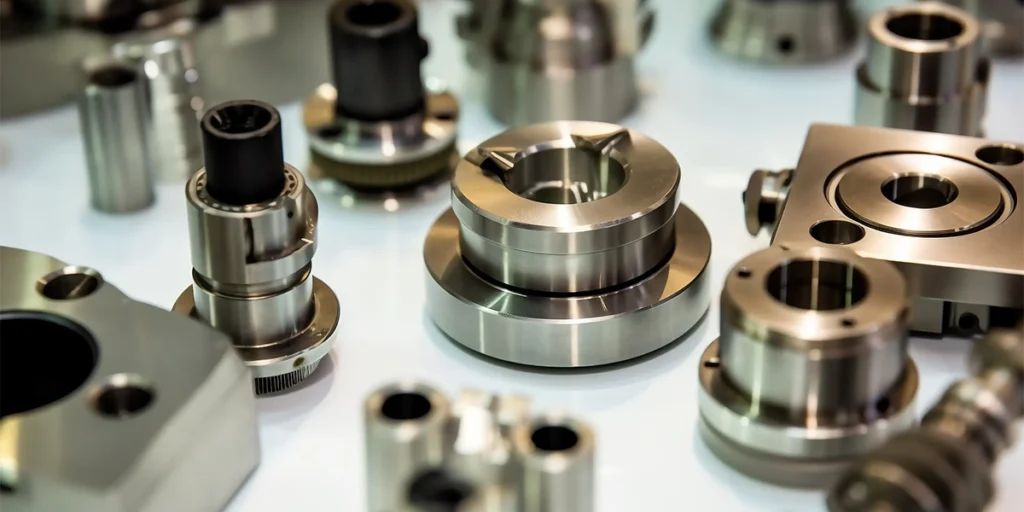
In the food processing equipment industry, common stainless steel CNC machined parts include:
Conveying system parts
- Guide rail
- Support components
- Connectors
- Roller structure
Liquid handling parts
- Valve body
- Connector
- Pump body
- Fluid channel assembly
Automated equipment parts
- Robotic arm parts
- Positioning structure
- Precision mounting components
- Sensor bracket
Filling and Packaging Equipment Parts
- High precision
- High surface quality
- Long-term corrosion resistance
For such complex structural components, multi-axis CNC machining and stable tolerance control capabilities are usually required.
Zhuohua Hardware supports 3-axis, 3+2-axis , and 5-axis CNC machining, enabling the processing of complex food equipment parts and supporting consistent batch production.
304 vs 316 food processing equipment applications
304/316 stainless steel commonly used in the food industry
304 and 316 are the two most common stainless steel materials used in food processing equipment. They both possess the following characteristics:
- Excellent corrosion resistance
- High mechanical strength
- Good processing stability
- Safety of long-term food contact
However, in practical applications, the two are not entirely suitable for the same environments.
Application characteristics of 304 stainless steel
304 stainless steel is the most common standard material in the food processing equipment industry. It has the following characteristics:
- Excellent corrosion resistance
- Lower material costs
- Good processing performance
- Extensive supply chain support
Therefore, 304 is very suitable for:
Conventional food equipment
- Food conveying equipment
- Commercial kitchen equipment
- Packaging machinery
- Storage devices
Drying environment equipment
If the equipment is in a state of:
- Normal temperature
- Low salt content
- Low-corrosion environment
304 is usually sufficient to meet the requirements.
Application characteristics of 316 stainless steel
316 stainless steel, compared to 304, has the addition of molybdenum, resulting in superior corrosion resistance. It is especially suitable for:
- High humidity environment
- High-salt environment
- Acidic environment
- High-frequency cleaning environment
316 Common Food Industry Applications
Liquid food equipment
- Beverage equipment
- Dairy equipment
- Beer equipment
Chemical cleaning environment
Food processing equipment typically requires the use of:
- Disinfectant
- Acid and alkaline cleaning agents
- High-temperature cleaning
316 has a longer lifespan in this environment.
Seafood processing equipment
Due to its higher salt content, 316 is generally more stable than 304.
How to choose between 304 and 316?
In real-world projects, material selection typically needs to consider:
Usage Environment
Long-term contact:
- Salt content
- Acidic liquid
- High humidity environment
Service life requirements
If the customer wishes to:
- Longer equipment lifespan
- Lower maintenance frequency
316 is usually more suitable.
Cost Budget
316 stainless steel is typically more expensive than 304 stainless steel. Therefore, many devices use 316 stainless steel.
- The main structure uses 304.
- Use 316 for critical corrosion areas
This approach balances performance and cost.
The Importance of Professional Processing Suppliers
Processing food-grade stainless steel is not just a matter of material selection. Other factors that truly affect equipment quality include:
- Machining accuracy
- Post-welding treatment
- Surface roughness
- Cleanliness control
- Batch consistency
stainless steel CNC machining services to industrial equipment and food machinery customers , supporting projects with complex structural parts, precision fluid components, and high surface quality requirements.
Surface roughness requirements for stainless steel parts
Why do food processing equipment have higher requirements for surface quality?
In the food processing equipment industry, surface roughness not only affects appearance but also directly relates to hygiene, safety, and equipment maintenance costs. If the surface of parts is too rough, liquid residue, oil buildup, and bacterial adhesion can easily occur. This is why the food industry typically imposes stricter requirements on the surface of stainless steel parts.
Compared to ordinary industrial parts, food-grade stainless steel parts typically require:
- Lower surface roughness
- Fewer machining marks
- More stable surface consistency
- Easier-to-clean structural design
Especially in liquid handling, filling, dairy and food conveying equipment, the surface quality of internal flow channels and contact areas is critical.
Common surface roughness standards
The most common surface roughness in food processing equipment is typically:
- Ra 3.2 μm
- Ra 1.6 μm
- Ra 0.8 μm
For ordinary structural components, Ra 3.2 is usually sufficient; however, for critical areas that come into direct contact with food, such as fluid channels, valve bodies, connectors, and filling components, many customers require lower roughness to reduce the risk of contamination and improve cleaning efficiency.
In high-end food equipment projects, some parts even require mirror polishing or electrolytic polishing.
What processing factors affect surface quality?
Stainless steel is a relatively difficult material to process. If the processing parameters are not controlled stably, the following problems can easily occur:
- Clear knife marks
- Burr residue
- Surface tear
- Heat-sensitive color change
- Local deformation
Therefore, food-grade stainless steel processing typically requires higher standards for the following factors:
Tools and cutting parameters
Incorrect spindle speed and feed rate can directly affect surface quality. Especially in the machining of 304 and 316 stainless steel, poor heat control during cutting can easily lead to surface hardening and machining marks.
Equipment stability
High-precision equipment can reduce vibration and deviation, especially in the finishing stage, and has a significant impact on complex curved surfaces and sealing structures.
Zhuohua Hardware is equipped with 3-axis, 3+2-axis and 5-axis CNC machines, which can stably control the dimensions and surface consistency of complex stainless steel parts.
Post-processing
Many food processing equipment parts require further processing after CNC machining, for example:
- Polishing
- Sandblasting
- Wire drawing
- Electropolishing
These processes can further improve corrosion resistance and cleaning performance.
Why are food processing equipment increasingly emphasizing surface uniformity?
For mass-produced food processing equipment, the real challenge is not just making a qualified part, but maintaining consistency over a long period.
If the surface quality of parts varies greatly between different batches, it may lead to:
- Assembly issues
- Sealing issues
- Increased cleaning difficulty
- Reduced lifespan
Therefore, many food machinery manufacturers prefer to cooperate with stable stainless steel processing suppliers in the long term, rather than just focusing on a single quote.
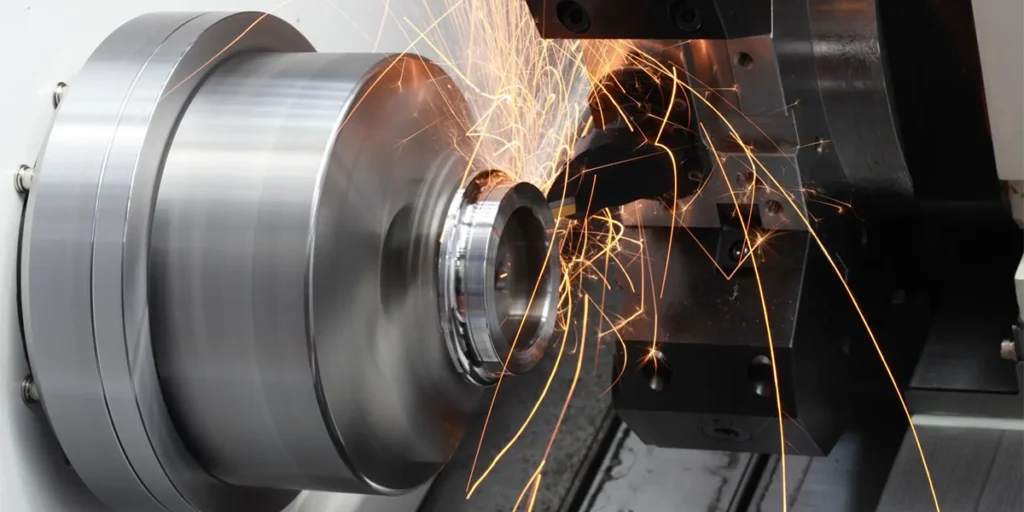
Corrosion-resistant processing solutions for stainless steel parts
Why are food processing equipment more prone to corrosion?
Many customers believe that “stainless steel will not rust,” but this is not actually the case. Food processing equipment, during long-term operation, will continuously come into contact with:
- Moisture
- Salt content
- Acidic liquid
- Cleaning agent
- High-temperature steam
If the material selection, processing technology, or surface treatment is inappropriate, stainless steel may still exhibit the following problems:
- Pitting
- Oxidation
- Welding corrosion
- Surface contamination
Corrosion is particularly noticeable in welded areas, threaded areas, and areas with residual liquid.
How to improve the corrosion resistance of food equipment parts
A truly stable corrosion-resistant solution is usually determined by a combination of “materials + processing + surface treatment”.
Choose the right stainless steel material
304 stainless steel is suitable for most general food processing equipment, but if the equipment is exposed to it for extended periods:
- Salt content
- Acidic liquid
- High-frequency cleaning environment
For such highly corrosive environments, some customers will choose 316L to reduce the risk of corrosion in the welding area.
Controlling the thermal effect of processing
If the heat is too high during the processing of stainless steel, it will damage the surface stability of the material, thereby reducing its corrosion resistance.
Therefore, professional stainless steel processing usually focuses on controlling:
- Cutting temperature
- Tool wear
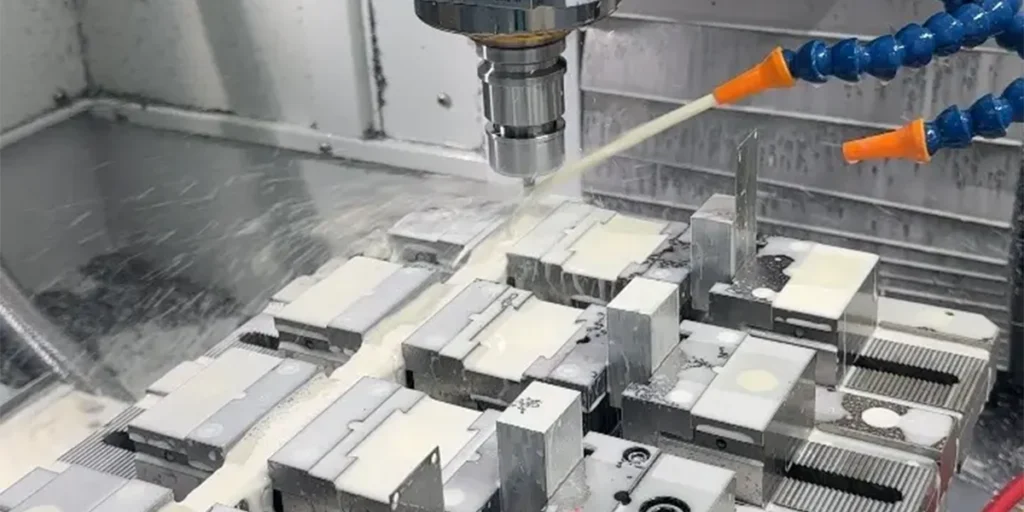
- Coolant usage
- Processing path
This is why experience in stainless steel processing is so important.
Optimize surface treatment process
Many food-grade parts undergo further surface treatment after processing to improve corrosion resistance and hygiene. Common treatments include:
- Electropolishing: Reduces microscopic surface defects and improves corrosion resistance.
- Passivation treatment: Enhances the stability of the protective layer on the stainless steel surface.
- Precision polishing: Reduces liquid residue and bacterial adhesion.
Why are professional suppliers more important?
Processing food-grade stainless steel is not simply about “making parts.” What truly matters is long-term stability, including:
- Stable surface quality
- Batch consistency
- Corrosion resistance
- Precision control
- Post-processing capabilities
Zhuohua Hardware has long provided stainless steel CNC machining services for the food equipment, industrial automation, and fluid equipment industries. It can provide material recommendations, processing optimization, and surface treatment solutions based on the customer’s usage environment, helping customers achieve a more reasonable balance between performance, lifespan, and cost.