
The medical industry typically has much higher requirements for component quality than general industrial sectors. Whether it’s diagnostic equipment, laboratory instruments, fluid control systems, or medical assistive devices, components not only need to meet stringent dimensional tolerances but also must possess stable material properties and long-term reliability.
While stainless steel, titanium alloys, and engineering plastics are common materials in the manufacture of medical devices, brass remains widely used in many medical devices and medical support systems due to its excellent machinability, corrosion resistance, electrical conductivity, and good dimensional stability.
For medical device manufacturers, choosing a brass machining supplier who understands both engineering requirements and manufacturing processes is often more important than simply seeking the lowest price. This is because the value of medical components lies not only in the finished product, but also in their long-term consistent quality performance and traceable manufacturing process.
What are medical-grade brass parts?
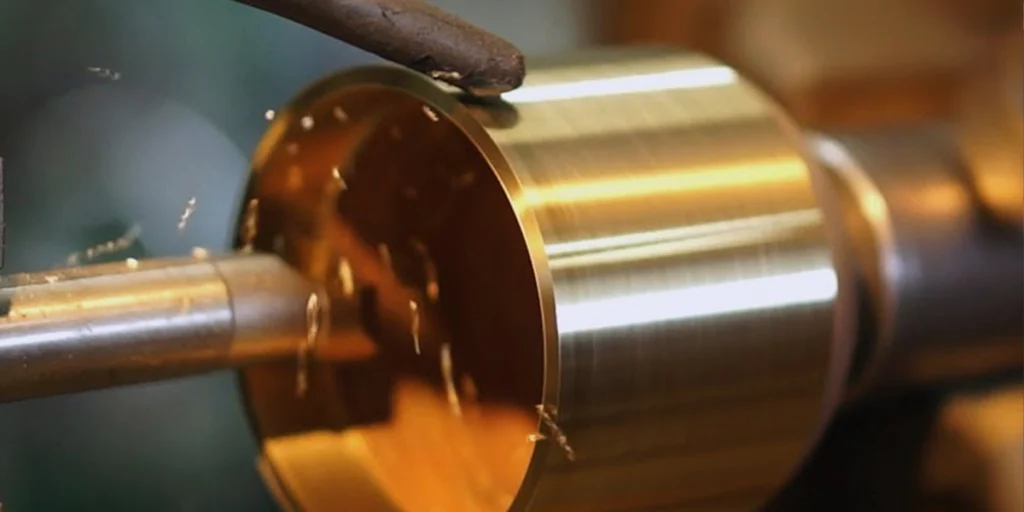
Medical-grade brass parts typically refer to brass machined components used in medical devices, laboratory equipment, testing instruments, and medical auxiliary systems. These parts often perform critical functions such as connection, flow guidance, fixation, control, or signal transmission, thus requiring high processing quality and consistency.
Compared to ordinary industrial brass parts, medical applications place greater emphasis on material stability, dimensional accuracy, and long-term reliability.
Definition of medical brass parts
Strictly speaking, there is no unified international standard for “medical brass”.
In actual manufacturing, medical brass parts are defined more based on the final application scenario, namely:
- Used in medical device systems
- Meets relevant regulatory requirements in the medical industry
- Possesses stable mechanical properties
- Enables high-precision machining
- Possesses excellent corrosion resistance
Commonly processed materials include:
- C220 brass
- C230 brass
- C260 brass
- 353 free-machining brass
The choice of specific materials usually depends on the functional requirements of the equipment, the usage environment, and the requirements for subsequent surface treatment.
For some high-precision medical devices, engineers often focus more on material consistency and processing stability than on the material grade itself.
Why is brass used in the medical industry?
Brass has been used in medical devices for over a decade. This is primarily because brass possesses several properties that facilitate precision manufacturing.
First, it boasts excellent machinability. Compared to materials like stainless steel, brass exhibits lower cutting resistance, resulting in less tool wear during machining and making it easier to achieve:
- Precision thread machining
- Micro-hole machining
- Precision turning
- High surface quality
This is especially important for small, precision parts in many medical instruments.
Secondly, it has good corrosion resistance.
Many medical devices are exposed to humid, sterile, or fluid-contact environments for extended periods. Brass provides excellent corrosion resistance, extending the lifespan of these devices.
In addition, brass also has the following characteristics:
- Good thermal conductivity
- Good electrical conductivity
- Excellent dimensional stability
- High processing efficiency
For medical device projects that require mass production, these advantages can significantly reduce overall manufacturing costs.
The difference between medical-grade brass and ordinary brass
From a material perspective, medical-grade brass and ordinary industrial brass may use the same material grade. The real differences lie more in the manufacturing standards and quality requirements.
Common industrial parts typically focus on:
- Does it meet the basic size requirements?
- Does it have normal functionality?
The medical field, however, requires additional attention:
- Size consistency
- Surface quality
- Material traceability
- Batch stability
- Long-term reliability
For example, a small dimensional variation is permissible in a batch of industrial valve parts.
However, for precision connectors in medical testing equipment, even minor deviations can affect equipment performance. Therefore, the medical industry often requires suppliers to establish more stringent quality control processes.
At Zhuohua Hardware, we typically implement more stringent production management processes for healthcare projects, including:
- Incoming material inspection
- First item confirmed
- Process Inspection
- Final dimensional inspection
For projects with special requirements, we can also provide material certificates and dimensional inspection reports to meet the customer’s quality management needs.
Common applications of brass in medical devices
When many engineers think of medical manufacturing, they first think of stainless steel or titanium alloys.
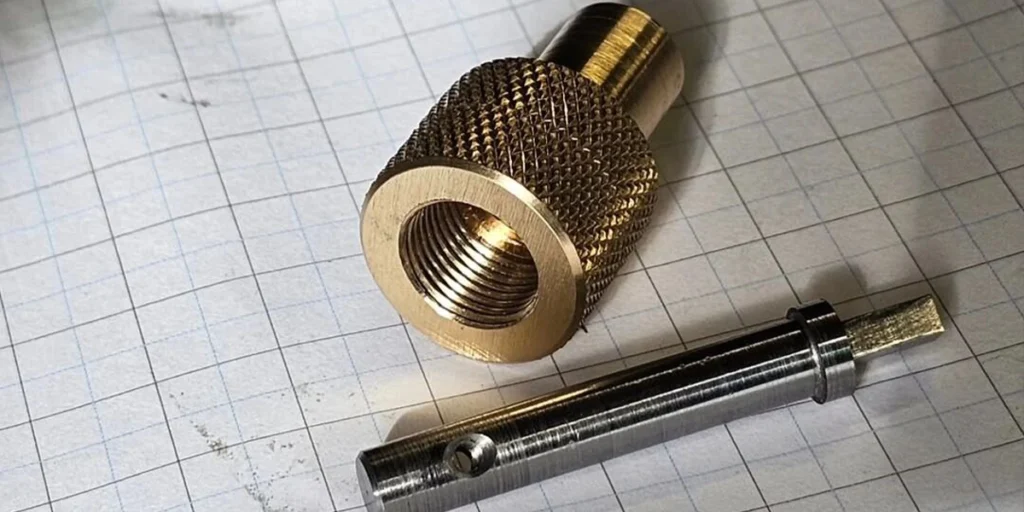
In fact, brass also has wide applications in the field of medical devices. Especially in scenarios requiring high-precision machining, good electrical conductivity, or fluid control functions, brass is often an ideal material that balances performance and cost.
As modern medical equipment becomes smaller and more precise, the application scope of brass parts continues to expand.
Medical connectors
Medical connectors are one of the most common applications of brass. Many medical devices require connectors for their functionality.
- Electrical signal transmission
- Data transmission
- Fluid connections
- Gas delivery
Brass has good electrical conductivity and processing stability, making it ideal for manufacturing:
- Precision pins
- Contact terminals
- Connector assembly
- Medical cable connectors
Because connectors are typically small in size, they require high standards of coaxiality, roundness, and surface quality.
These types of parts typically require high-precision CNC turning and precision milling processes to complete the machining.
Fluid control components
Fluid systems in medical devices typically require precise control of the flow of liquids or gases.
For example:
- Infusion equipment
- Laboratory analytical equipment
- Detection instruments
- Medical gas systems
These systems make extensive use of brass-machined components, including:
- Valve bodies
- Line fittings
- Regulating components
- Control interfaces
For these types of parts, in addition to dimensional accuracy, it is also necessary to ensure that:
- Sealing performance
- Thread accuracy
- Inner hole surface finish
Any processing defects can affect the fluid control effect.
Therefore, professional suppliers usually conduct 100% inspection or sampling inspection of critical dimensions.
Testing equipment parts
Modern medical testing equipment often contains a large number of precision mechanical structures.
Brass is frequently used in the manufacture of brass due to its excellent machinability.
- Optical equipment brackets
- Positioning components
- Precision fasteners
- Calibration mechanisms
- These parts are typically small in size, but require extremely high dimensional stability.
For complex structural parts, multi-axis machining capabilities can effectively reduce the number of clamping operations and improve the accuracy and consistency of parts.
At Zhuohua Hardware, we have over 300 CNC milling machines and mature CNC turning production capabilities, which can support the entire manufacturing process of complex medical device parts, from sample development to mass production.
Miniature precision components
As medical devices continue to become miniaturized, more and more projects require the processing of extremely small brass parts.
For example:
- Miniature connectors
- Small sensor assemblies
- Miniature threaded parts
- Precision conductive components
The biggest challenge for these parts is usually not the materials themselves, but the stability control during the manufacturing process.
For example:
- Minimal dimensional tolerance control
- Burr control
- Concentricity control
- Surface quality control
For experienced brass processing suppliers, these issues need to be addressed through a combination of equipment capabilities, tooling solutions, and process experience.
This is also an important reason why medical industry clients usually prioritize factories with precision machining experience and mature quality systems when selecting suppliers.
Requirements for Precision Machining of Brass in the Medical Industry
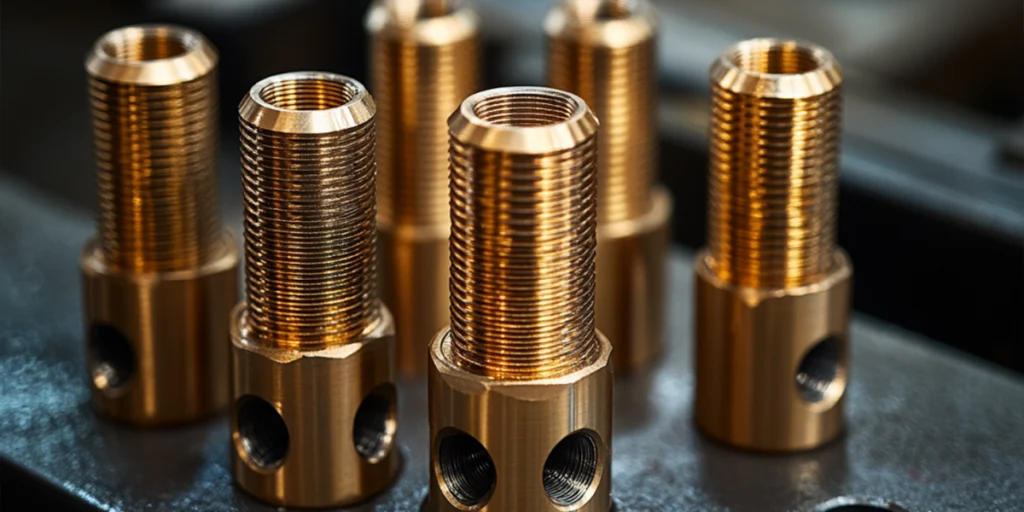
One of the biggest differences between medical device manufacturing and general industrial manufacturing lies in the higher requirements for the consistency and reliability of parts. Many medical devices need to operate stably for a long time, and some devices even directly affect test results or equipment performance. Therefore, even a seemingly simple brass part may involve strict dimensional, tolerance, and quality management requirements.
For clients in the medical industry, choosing brass is only the first step; what truly determines product quality is often the subsequent processing capabilities and quality control level.
High precision tolerances
Brass parts in medical devices often need to be fitted with other precision components, so dimensional tolerance control is crucial.
For example, medical connectors, fluid control components, and internal structural parts of testing equipment often involve threaded fits, sealing fits, or positioning fits. If dimensional deviations exceed the design range, it may lead to assembly difficulties, seal failure, or even abnormal equipment operation.
Depending on the application scenario, the common tolerance range for medical brass parts is from ±0.05mm to ±0.01mm, while some high-precision components require even stricter control standards.
Achieving consistent tolerances relies not only on advanced equipment, but also on mature machining processes, fixture design, and inspection procedures. For batch projects, maintaining consistent accuracy is often more important than achieving high accuracy for individual parts.
Surface finish requirements
Many brass components in medical devices need to come into contact with liquids, gases, or other precision parts, so surface quality directly affects product performance.
Rough surfaces may cause:
- Increased fluid resistance
- Deterioration in sealing performance
- Increased risk of pollutant residue
- Increased assembly wear
Depending on the specific application requirements, brass parts may need to undergo precision machining, polishing, electroplating, or other surface treatment processes to achieve better surface finish and corrosion resistance.
For medical device manufacturers, stable surface quality not only affects the appearance of the product, but also relates to the long-term reliability of the product.
Batch Consistency
Procurement in the medical industry is typically not a one-off order, but rather a long-term, recurring process. Therefore, clients are highly concerned with whether suppliers can consistently provide products of consistent quality.
It’s not difficult to meet the requirements for a single sample; the real challenge is maintaining the same quality level for thousands or even tens of thousands of products.
Factors affecting batch consistency include:
- Raw material stability
- Processing parameter control
- Tool wear management
- Standardized testing criteria
- Production process management
Experienced suppliers typically establish standardized process documents and quality control procedures to ensure consistent processing results across different batches.
Material traceability
As global healthcare industry regulatory requirements continue to increase, more and more customers are beginning to value material traceability.
Material traceability means that customers can clearly understand:
- Source of raw materials
- Material grade
- Batch information
- Inspection Records
- Production records
Once a product enters its long-term use phase, a traceability system can provide complete data support if quality analysis or project tracking is required.
For the healthcare industry, this is not only a quality management requirement, but is also gradually becoming an important indicator of a supplier’s capabilities.
Common Machining Challenges of Medical Brass Parts
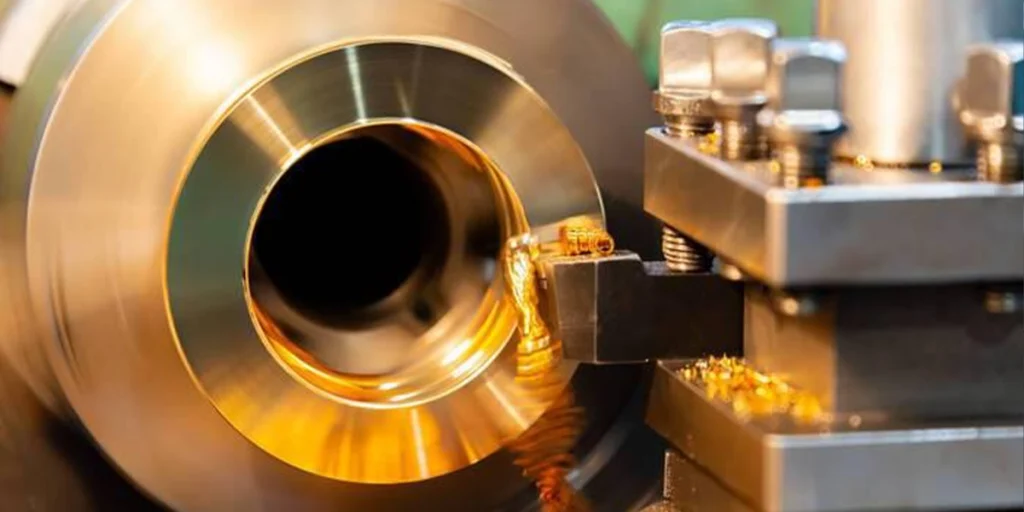
Brass is considered one of the easiest metals to machine, but that doesn’t mean all medical brass parts are easy to manufacture. In fact, as medical devices continue to evolve towards miniaturization, higher precision, and greater complexity, many brass parts still face considerable challenges in the machining process.
Especially in the field of micro parts and complex structural components, the processing difficulty is often far greater than that of ordinary industrial parts.
Microstructure fabrication
Many brass parts in medical devices are very small in size, but have very complex structures.
For example:
- Miniature connectors
- Miniature valve body
- Internal components of the testing equipment
- Precision positioning components
These parts may contain small slots, micropores, thin-walled structures, or high-density features, which place high demands on machine tool precision and cutting tool control capabilities.
As feature sizes continue to shrink, even minute errors generated during processing are amplified, thus requiring more stable equipment and mature process experience.
Burr control
Burrs are one of the most common problems in brass machining. Although brass has excellent machinability, small burrs can still be generated during drilling, tapping, grooving, and precision contouring.
For ordinary industrial parts, minor burrs may not have a noticeable impact. However, in medical devices, burrs can cause:
- Assembly issues
- Seal failure
- Fluid blockage
- Reduced lifespan
Therefore, medical brass parts typically require more stringent deburring processes and quality inspection procedures.
Complex internal hole machining
Many medical fluid control components contain complex channel structures.
For example:
- Fluid valve body
- Gas control components
- Precision connectors
These parts not only need to ensure accurate hole diameter, but also the positional relationship of the holes, coaxiality, and the quality of the inner surface.
When the hole is deep or the internal structure is complex, the machining difficulty will increase significantly, and higher requirements will be placed on tool selection, cutting parameters and inspection capabilities.
To ensure machining quality, many complex medical brass parts require a combination of turning, milling, and even multi-axis machining processes.
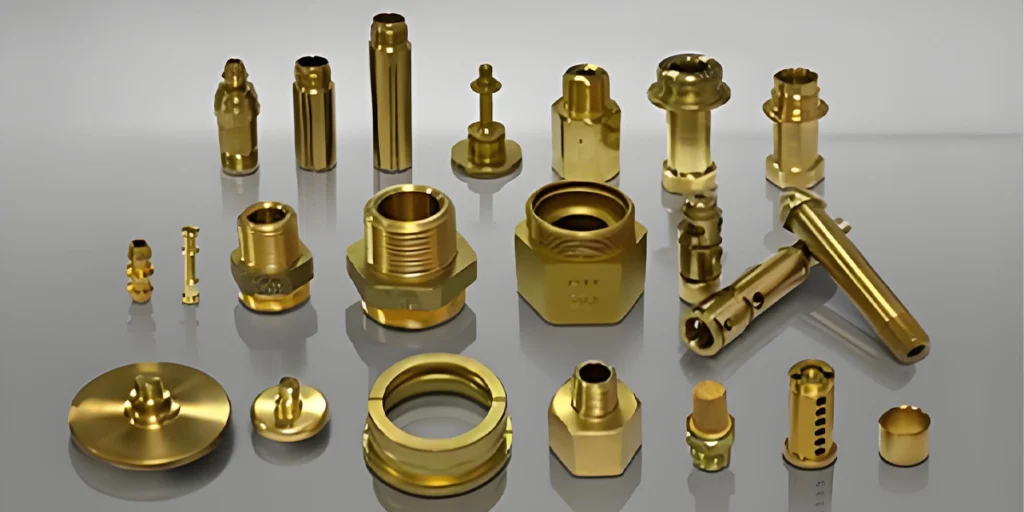
Professional medical brass processing suppliers should
For medical device manufacturers, suppliers are not just factories that process parts, but also important partners in product development and the supply chain system.
A professional supplier of CNC machining for medical brass should not only be able to provide qualified products, but also have the ability to continuously support the development of customer projects.
Precision testing equipment
Testing capabilities are fundamental to ensuring the quality of medical components. Professional suppliers typically have comprehensive testing equipment for verification.
- Dimensional accuracy
- Hole position accuracy
- Coaxiality
- Surface quality
By combining process inspection with final inspection, problems can be identified and adjusted in a timely manner during production, thereby improving product consistency.
Stable processing technology
Medical projects often require long-term supply, making process stability more important than single-batch processing capacity. Established suppliers typically have standardized production systems, including:
- Fixed process route
- Tool life management
- First item confirmation system
- Process quality control
Standardized management ensures that parts produced at different times and in different batches maintain a consistent quality level.
For long-term medical programs, this stability is often more valuable than simply pursuing low prices.
Rapid prototyping capability
Medical device development cycles are typically lengthy, and the product validation phase often requires frequent design modifications. Therefore, a supplier’s ability to quickly prototype directly impacts project development efficiency.
Experienced brass processing plants can complete the work quickly after receiving the drawings:
- Engineering assessment
- DFM Recommendations
- Sample production
- Size verification
Help customers get to the testing and validation phase faster.
At Zhuohua Hardware, we have long provided brass machining services to customers in the medical device and precision instrument industries . Leveraging over 300 CNC milling machines, mature CNC turning capabilities, and a comprehensive quality control system, we can support the entire manufacturing process from sample development to mass production. We also provide dimensional inspection reports, material certifications, and engineering optimization suggestions based on customer needs, helping projects progress more efficiently.