


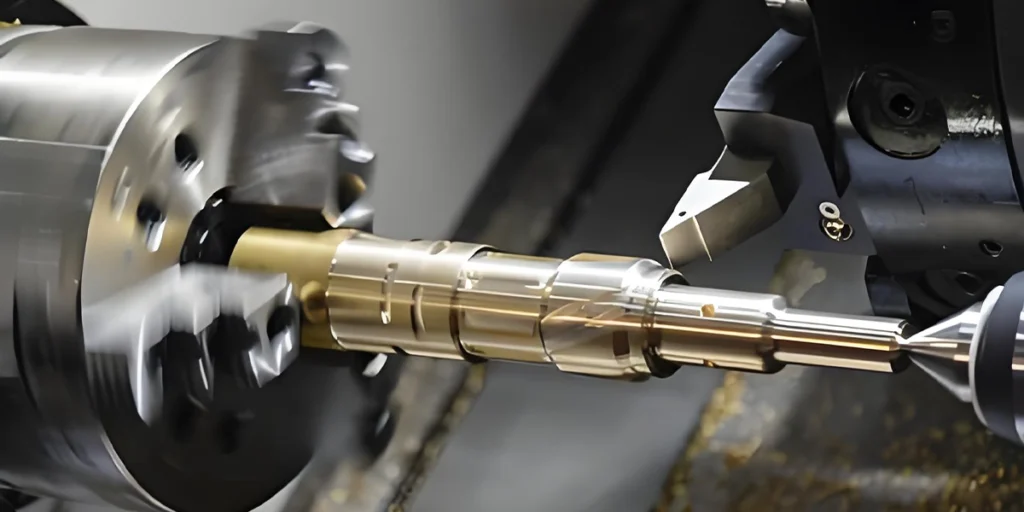
The medical industry typically has higher requirements for component manufacturing than general industrial products. In addition to dimensional accuracy, material safety, surface quality, cleanliness, batch consistency, and long-term stable supply capability must also be considered.
Many critical structural components, connectors, fluid control components, and miniature shaft parts in medical devices rely on CNC turning for manufacturing. The reason is clear: medical parts are often structurally precise, small in size, and have strict tolerances, and CNC turning can reliably achieve high consistency in production.
For medical customers, choosing a supplier is not just about procuring parts, but also about controlling product risks.
At Zhuohua Hardware, we have long provided precision CNC machining services to demanding industries, supporting medical projects from sample development to mass production, and offering turning, milling, surface treatment, and quality inspection support.
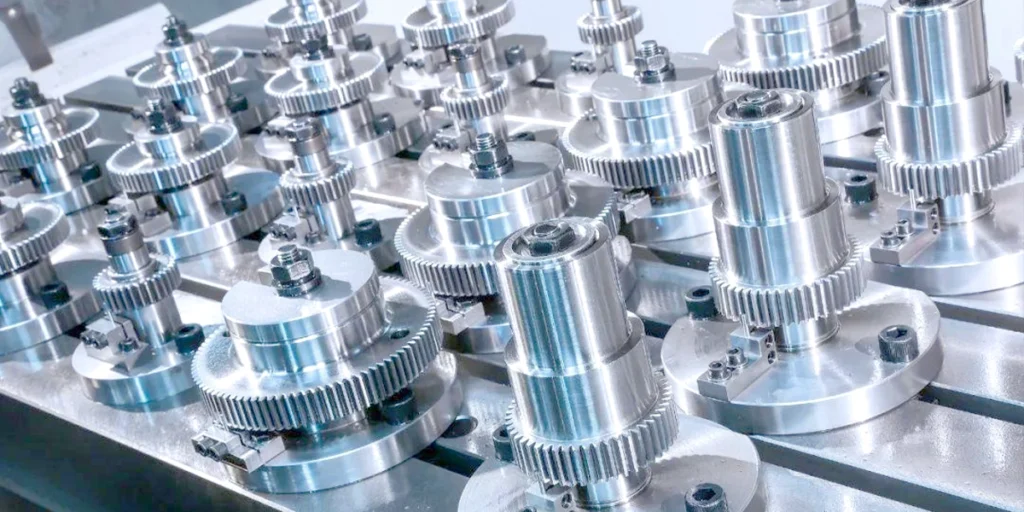
Common types of medical parts
The range of machined parts used in the medical industry is very wide, from internal structural components of large equipment to precision components in micro handheld devices, all of which may be manufactured using CNC turning processes.
1. Medical device connectors
Widely used in:
- Imaging equipment
- Monitoring equipment
- Infusion system
- Respiratory equipment
- Laboratory instruments
Common parts include:
- Connector
- Threaded connector
- Pipeline adapters
- Sealing mating parts
These types of parts typically require:
- Precise sizing
- Smooth assembly
- Burr-free
- Surface stable
2. Precision shafts and transmission components
Many medical devices contain motion mechanisms, for example:
- Motor drive system
- Positioning mechanism
- Linear transmission mechanism
- Automated drug delivery system
Common machined parts:
- Miniature shaft
- Guide shaft
- Coupling
- Sleeve
- Precision pin
These parts typically require:
- High concentricity
- Low bounce
- Abrasion resistance
- Long-term stable operation
3. Surgical instrument components
Some metal parts in medical devices are also manufactured using turning, for example:
- Handle connector
- Adjustment knob
- Fixed kit
- Precision nuts
- Small mechanical components
These types of parts are typically small in size, but require a high level of detail and quality.
4. Fluid control components
In medical fluid systems, the following are commonly found:
- Valve core
- Valve seat
- Liquid receiving channel components
- Small sealing structural components
These types of products not only require dimensional accuracy but also stable surface quality to ensure accurate sealing and flow control.
5. Parts of testing equipment
Commonly used inside medical testing equipment:
- Optical positioning components
- Support bushing
- Sensor housing
- Calibration components
For these types of parts, repeatability and consistency are usually emphasized because equipment stability directly affects the test results.
Typical characteristics of medical components
Compared to ordinary industrial parts, medical parts often have the following characteristics:
- Small in size but complex
- Strict tolerances
- High surface finish requirements
- Large number of small batches
- Fast update and iteration speed
This is why the medical industry typically prefers suppliers with engineering support capabilities rather than simply low-priced factories.
Zhuohua Hardware supports the manufacturing of medical components.
We can assist in the manufacturing of various medical-related precision parts, including:
- Stainless steel connectors
- Aluminum alloy equipment structural components
- Brass connectors and other similar parts
- POM / PTFE functional plastic parts
- Miniature bushings and positioning components
Supports prototyping, small-batch trial production, and continuous supply, while adhering to drawing confidentiality and quality control processes.
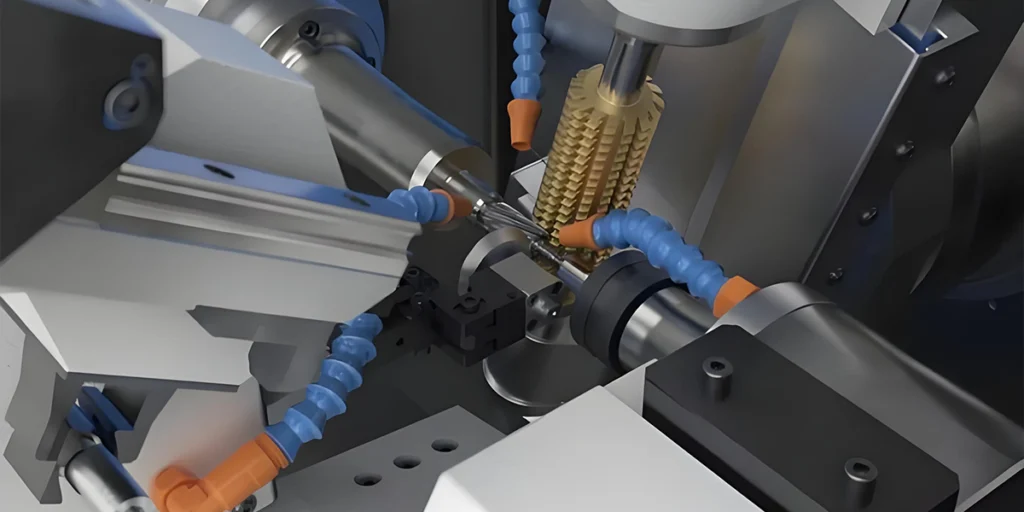
Material Requirements
The selection of materials for medical components is more cautious than that for ordinary industrial products.
When procuring medical components, materials not only determine strength and lifespan, but may also affect:
- Corrosion resistance
- Cleaning and disinfection adaptability
- Biological exposure safety (if applicable)
- Surface stability
- Machining accuracy
- Long-term supply consistency
Therefore, in medical projects, “choosing the wrong materials” often comes at a higher cost than “paying a little more for processing”.
1. Stainless steel (most common)
Stainless steel is widely used in the medical industry, especially in:
- SUS303
- SUS304
- SUS316 / 316L
Common applications:
- Connectors
- Surgical instrument components
- Exposed structural components
- Liquid contact components
Advantages:
- Corrosion resistant
- High strength
- Easy to clean
- Stable appearance
316/316L is typically used in environments requiring higher corrosion resistance.
2. Aluminum alloy
Applicable to:
- Equipment casing
- Lightweight structural components
- Bracket-type parts
- Non-liquid-contact components
Advantages:
- Lightweight
- High processing efficiency
- More cost-effective
- Anodizing can improve surface properties
Common brands:
- 6061
- 6082
3. Brass and Copper alloys
Commonly used in:
- Connector
- Internal conductive components of the instrument
- Specific valve body parts
Advantages:
- Easy to process
- Good electrical conductivity
- Dimensional stability
However, it is necessary to assess whether it is suitable for a medical environment based on its actual use.
4. Engineering plastics
Engineering plastics are widely used in medical devices, for example:
- POM
- PTFE
- Nylon
- PEEK (High-end applications)
- ABS (shell type)
Suitable:
- Insulating components
- Guide components
- Low-friction structural components
- Non-metallic lightweight components
5. Material consistency is crucial.
Medical clients typically care not only about the material name, but also about:
- Material batch stability
- Reliability of raw material sources
- Consistency of ingredients
- Stable performance after processing
Because if the materials used in the same drawing vary too much, it may affect the assembly and service life.
Zhuohua Hardware’s material support capabilities
We support processing 50+ metal and plastic materials and can provide advice based on the project needs of medical clients, including:
- Precision machined stainless steel parts
- Aluminum alloy structural components
- Brass connectors
- POM / PTFE functional components
- Multi-process combination manufacturing
If the customer already has drawings but is unsure about material selection, we can provide manufacturing advice based on the part’s purpose, structure, and budget.
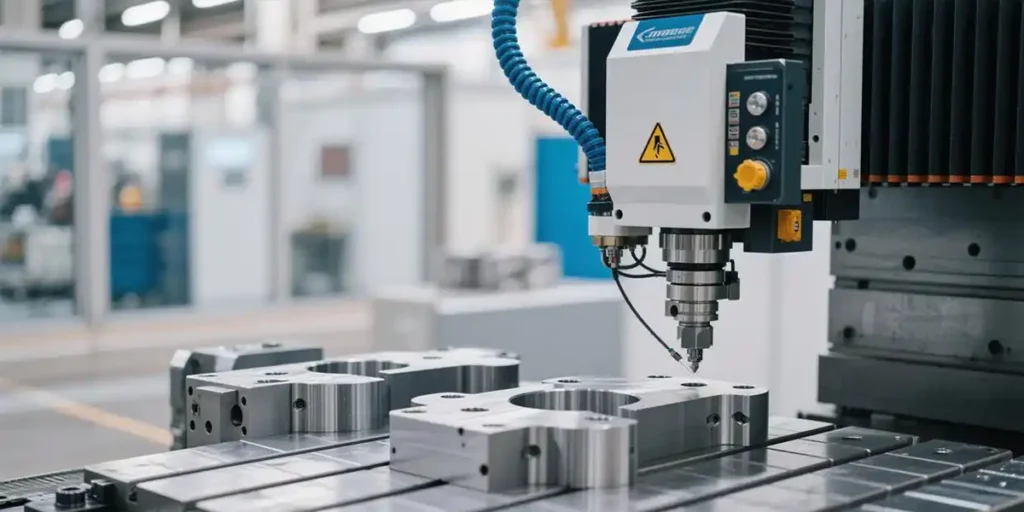
Precision and cleanliness standards
The requirements for medical components are usually not just about “making the right size”, but also about being precise, stable, clean, and repeatable.
Many ordinary industrial parts, even if they meet dimensional standards, may not be suitable for medical applications. This is because parts in medical devices often involve assembly precision, motion stability, sealing performance, and can even directly affect the reliability and safety of the equipment.
This is why medical clients typically place greater emphasis on quality control systems when selecting CNC suppliers compared to other industries.
1. Stricter dimensional accuracy requirements
Common characteristics of medical components are:
- Small size and multiple structures
- Tight tolerances
- High requirements for multi-part assembly
- Sensitive to gaps in the motion mechanism
If the dimensional deviation is too large, it may result in:
- Assembly difficulties
- Loose or too tight
- Difficulty in exercising
- Increased noise
- Reduced lifespan
At Zhuohua Hardware, we offer precision turning capabilities with tolerance control up to ±0.02mm (depending on the structure and materials), meeting the manufacturing needs of most medical device parts.
2. Concentricity, circular runout, and geometric tolerance are equally important.
Medical components are not just about length and diameter.
Many rotating or mating parts are more concerned with:
- Concentricity
- Circular jumping
- Verticality
- Parallelism
- Coaxiality
For example:
- Excessive shaft runout of the micro motor can affect the operational stability of the equipment.
- Misalignment of the guide shaft will cause jamming.
- Valve spool movement can affect the sealing effect.
Therefore, suppliers with stable equipment and reasonable tooling solutions are crucial.
3. High requirements for surface roughness and edge treatment.
Medical components often require a good surface finish for the following reasons:
- Improve assembly smoothness
- Reduce wear and tear
- Easy to clean
- Improve appearance quality
- Reduce the risk of particulate residue
Common requirements include:
- Deburring
- Smooth chamfers
- No obvious knife marks
- Uniform surface
For exposed parts, post-treatments such as sandblasting, polishing, wire drawing, and anodizing may also be required.
4. Cleanliness control cannot be ignored.
Medical industry customers often pay particular attention to the delivery status of parts, for example:
- Surface free of oil stains
- No metal debris
- No burr residue
- No polluting particles
- Packaging Cleaning Standards
Even if parts meet dimensional standards, inadequate cleaning control can affect subsequent assembly efficiency and even the quality of the final product. During project delivery, we can implement cleaning and standardized packaging processes according to customer requirements, reducing the burden of handling incoming materials for our clients.
5. Inspection records and traceability
Professional medical clients typically require more than just “qualified parts”; they also demand:
- First item confirmed
- Inspection Records
- Critical Dimensions Report
- Batch Management
- Incoming Material Tracking
This is especially important for long-term supply projects.
How Zhuohua Hardware Controls the Quality of Medical Components
We can provide services according to the client’s project requirements:
Precision turning and CNC milling
- ±0.02mm tolerance capability
- First item confirmation process
- Process inspection
- Shipment size inspection
- Clean packaging support
- Stable batch delivery
For overseas customers, this means lower material risks and a more stable supply chain experience.
Batch stability requirements
In medical procurement, the real difficulty is often not prototyping, but rather ensuring consistency across 100, 1,000, and 10,000 units after the sample has passed inspection.
Many factories can produce samples, but problems arise when mass production begins:
- Increased size fluctuations
- Inconsistent surface quality
- Variation in assembly tightness
- Differences between different batches of materials
- Delivery time is unstable.
For medical device manufacturers, these issues directly impact production plans and brand reputation.
1. Long-term stable supply
Medical projects often have long lifecycles, and some parts may need to be procured for many years.
This means that suppliers must possess:
- Long-term stable production capacity
- Ability to continuously replicate processes
- Drawing version management capability
- Continuous raw material procurement capability
It’s not just a one-time low-price offer.
2. Batch consistency
A common misconception when procuring medical parts is to focus only on the first order.
In fact, what’s more crucial is:
- The first batch of qualified
- The fifth batch is still qualified.
- The tenth batch of assembly had a consistent feel.
This requires suppliers to have a mature process control system, rather than relying on the experience of individual technicians.
3. Tooling and Fixture Standardization
Stable batch production typically relies on:
- Fixture Solution
- Standard tool life management
- Program version control
- Standardized testing criteria
Otherwise, the results are prone to fluctuation when the same part is used on different shifts, with different machines, or with different personnel.
4. Stable delivery time
Medical customers typically produce according to schedule; if parts are delayed, it will cause:
- Assembly line waiting
- Customer delivery delays
- Inventory plans were disrupted.
Therefore, stable delivery times are essentially part of supply chain quality.
5. Small batches, multiple shipments
Many medical clients do not purchase in extremely large quantities at once, but rather:
- Multiple models in parallel
- Small-batch rolling procurement
- Rapid iteration version
This requires suppliers to support both flexible production and consistency.
Zhuohua Hardware’s stable delivery capabilities
We support our clients in transitioning from sample development to mass production, and offer the following:
- Approximately 100 CNC turning machines
- 300+ CNC milling machines
- Prototype to mass production support
- Stable supply of multiple materials
- Fast delivery capability (as fast as 5 business days)
- Global shipping experience
This allows clients to avoid frequently changing suppliers during the project’s growth phase.
If you are developing a medical device project and already have drawings, samples, or mass production requirements, Zhuohua Hardware can assist in evaluating manufacturing options and provide stable support for the supply of precision parts.