


Low-carbon steel is one of the most common engineering materials in modern manufacturing, widely used in mechanical structural parts, automotive parts, industrial equipment components, and various custom CNC machined parts. Due to its good machinability, stable mechanical properties, and low material cost, low-carbon steel has long been used in CNC turning, CNC milling, welded structural parts, and the mass production of precision parts.
For many OEMs and equipment development companies, low-carbon steel is often the preferred choice that balances performance and cost. Especially in high-volume production environments, CNC machining of low-carbon steel can effectively reduce material waste while maintaining consistent dimensionality.
As a professional CNC machining service provider for low-carbon steel , Zhuohua Hardware has long provided global customers with precision turning and CNC milling services for custom low-carbon steel mechanical parts manufacturing, supporting complete machining solutions from rapid prototyping to mass production.
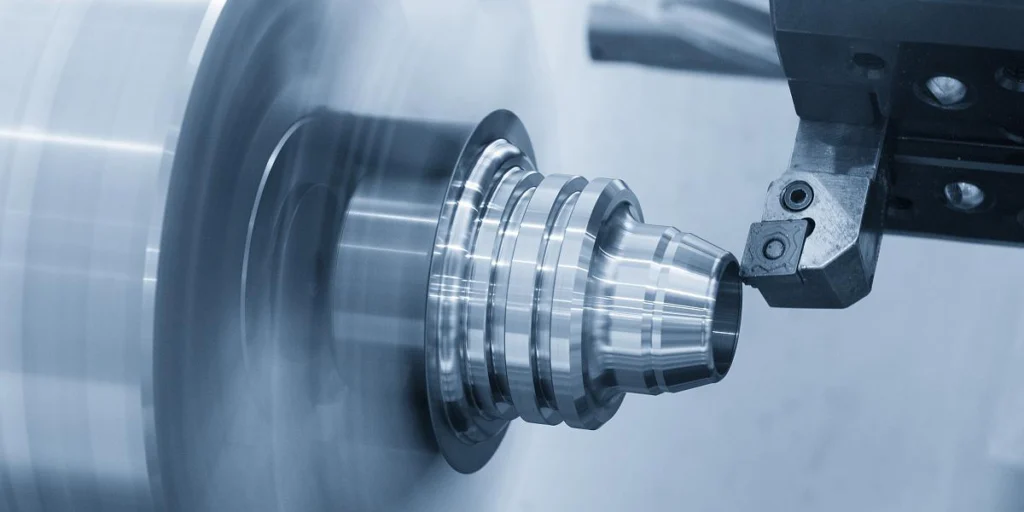
What is low-carbon steel?
Low-carbon steel typically refers to carbon steel materials with a lower carbon content, generally below 0.25%. Due to its lower carbon content, this type of steel is easier to cut, weld, and form compared to high-carbon steel, and is therefore widely used in machinery manufacturing and industrial processing.
In the CNC machining industry, low-carbon steel has become one of the most common metal processing materials due to its stability and economy. Whether it is CNC turning parts, machine supports, connectors, or industrial structural components, low-carbon steel can provide stable machining performance.
Low carbon steel is made of what materials?
Low-carbon steel is mainly composed of iron and a small amount of carbon, and may also contain small amounts of manganese, silicon, sulfur or phosphorus, which are used to improve processing performance or mechanical properties.
Different grades of low-carbon steel may have slightly different compositions. For example:
- 1018 low-carbon steel has good comprehensive mechanical properties.
- 1117 low-carbon steel has better strength and heat treatment properties.
- 12L15 low-carbon steel is a free-cutting steel, suitable for high-speed automatic turning.
For projects requiring high-volume CNC machining, the stability of material composition directly impacts machining efficiency, tool life, and final dimensional consistency. Therefore, specialized low-carbon steel machining suppliers typically select appropriate material grades based on the intended use of the parts.
Are low-carbon steel and mild steel the same?
In many industrial applications, “low-carbon steel” and “mild steel” are often regarded as the same material, both of which usually refer to steel with low carbon content that is easy to process and weld.
Strictly speaking, mild steel is more of a general term used in industrial applications, while low carbon steel is a material classification name.
In the field of CNC machining, mild steel is typically used for:
- Mechanical structural components
- Industrial supports
- Automated equipment parts
- Welding components
- Common shaft parts
Due to its stable processing, low cost, and easy availability, mild steel remains one of the most commonly used metal materials in the global machinery manufacturing industry.
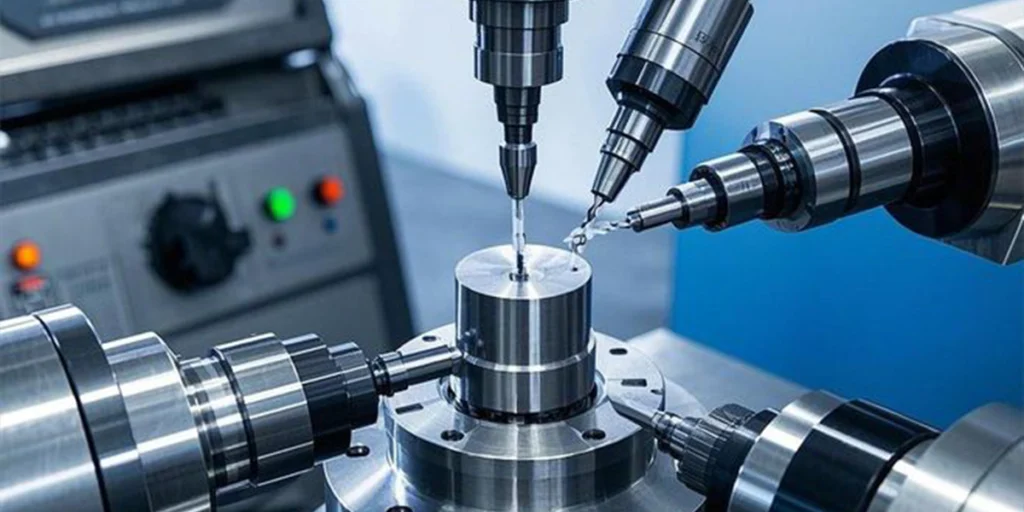
What are the main types of low carbon steel?
Different types of low-carbon steel vary significantly in terms of strength, machinability, weldability, and surface treatment capabilities. In actual CNC machining projects, material selection directly impacts part cost, machining efficiency, and final performance.
For professional low-carbon steel CNC machining service providers, matching the appropriate material according to the intended use of the parts is a crucial step in ensuring quality and controlling manufacturing costs.
1018 low carbon steel
1018 is one of the most common low-carbon steel materials, with good mechanical properties and stable machining performance, and is widely used in the manufacture of CNC turning and CNC milling parts.
1018 low carbon steel is typically used for:
- Mechanical shaft parts
- Industrial connectors
- Automated equipment components
- Gears and pins
- General structural components
This material combines strength, toughness, and processing efficiency, and is suitable for welding, carburizing, and surface hardening treatments, making it widely used in OEM machinery manufacturing.
For CNC machining projects that require mass production, 1018 low-carbon steel can effectively reduce overall manufacturing costs while maintaining stable dimensional consistency.
1117 low carbon steel
Compared to 1018, 1117 low-carbon steel has higher strength and better heat treatment properties, so it is often used for parts that require higher wear resistance and mechanical strength.
Common applications include:
- High-strength shaft parts
- Transmission components
- Industrial machinery parts
- Medium load structural components
1117 steel can achieve better surface hardness after heat treatment, making it suitable for machining mechanical parts that require certain wear resistance.
During precision CNC turning, the 1117 maintains good machining stability, making it suitable for manufacturing medium to high precision parts.
12L15 low carbon steel
12L15 is a typical free-cutting low-carbon steel, particularly suitable for high-speed CNC turning and automatic lathe machining.
The most significant characteristic of this material is:
- High cutting efficiency
- Good surface finish
- Longer tool life
- Suitable for mass production of complex small parts
12L15 is commonly used for:
- Precision threaded parts
- Pipe fittings
- Fasteners
- Small turning components
- High-volume automatic lathe parts
For OEM projects that prioritize high production efficiency, the 12L15 can significantly shorten processing cycles and reduce overall processing costs.
However, due to its material properties, 12L15 is generally not suitable for welded structural applications.
1200 series low carbon steel
The 1200 series is a common type of free-cutting steel material, mainly used for the mass production of parts that require high machining efficiency.
Compared to ordinary low-carbon steel, the 1200 series exhibits greater stability in automatic turning and high-speed machining, and is particularly suitable for:
- Mass production of precision parts
- Industrial standard parts
- Highly repetitive mechanical components
For long-term, high-volume manufacturing projects, the 1200 series can help manufacturers reduce per-piece processing costs while improving production stability.
Professional low-carbon steel processing manufacturers typically help customers choose the most suitable material solution based on the part’s structure, tolerance requirements, and subsequent surface treatment processes.
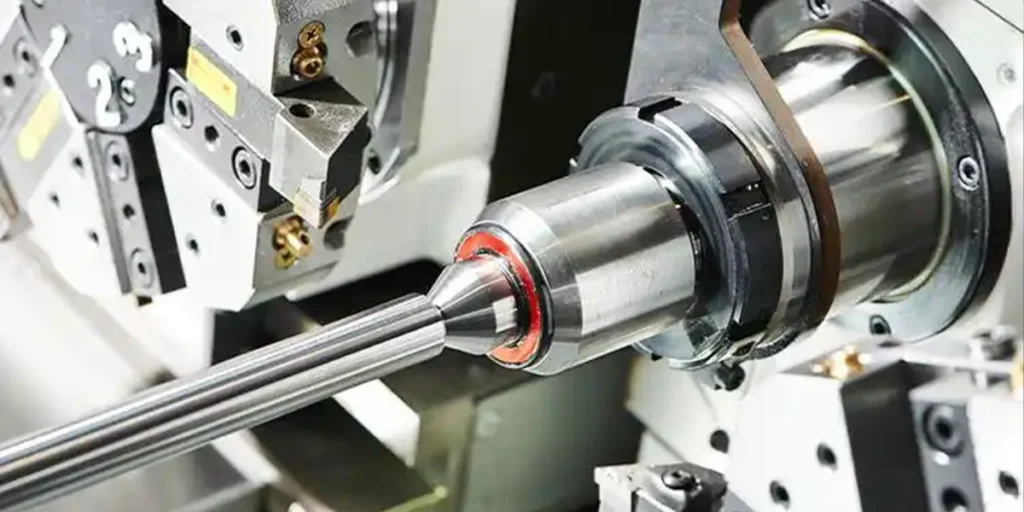
What are the advantages of low carbon steel?
Low-carbon steel has long been widely used in CNC machining and industrial manufacturing, not only because of its low material price, but more importantly because it achieves a good balance between processing performance, manufacturing efficiency and batch stability.
For machinery manufacturers and OEM projects, low-carbon steel is often a cost-effective choice that balances performance and price.
Good machinability
One of the biggest advantages of low-carbon steel is its excellent machinability. Compared to high-carbon steel or some high-strength alloy steels, low-carbon steel is easier to cut during CNC turning and CNC milling, reducing tool wear while maintaining stable machining dimensions.
This means:
- Higher processing efficiency
- Lower tool consumption
- More stable surface quality
- More suitable for machining complex parts
Low-carbon steel materials such as 1018 and 12L15 are particularly stable in high-speed turning and automated machining, and are therefore widely used in the manufacture of precision mechanical parts.
For projects that require mass production, good processability can effectively shorten the production cycle and reduce overall manufacturing costs.
Low cost
Low-carbon steel is one of the most economical metal materials in industrial manufacturing. Compared to stainless steel, titanium alloys, or high-strength alloy steel, low-carbon steel:
- Lower raw material costs
- Shorter processing time
- Less tool wear
- More suitable for large-scale production
This is why low-carbon steel is still the preferred material for many industrial equipment parts, mechanical structural components, and automation components.
For OEM manufacturing projects, material and processing costs typically have a direct impact on the final product’s profit margin. Therefore, many engineers prioritize CNC machining solutions for low-carbon steel to achieve a balance between performance and budget.
As a professional supplier of low-carbon steel CNC machining, we typically help our clients optimize material selection and processing techniques based on part function, tolerance requirements, and production volume, thereby reducing overall procurement costs.
Suitable for welding and forming
Low-carbon steel also possesses good weldability and formability. Due to its low carbon content, low-carbon steel is less prone to cracking or embrittlement during welding, making it ideal for:
- Welded structural components
- Sheet metal components
- Industrial supports
- Mechanical frame
- Piping and housing
At the same time, low-carbon steel is also suitable for secondary processing techniques such as bending, stamping and folding.
This allows low-carbon steel to be used not only for CNC precision machining, but also in combination with laser cutting, welding and sheet metal manufacturing for the manufacture of more complex industrial components.
For customers who require one-stop manufacturing services, professional machining suppliers can typically provide CNC machining, welding, surface treatment and assembly support for low carbon steel at the same time, thereby reducing supply chain management pressure.
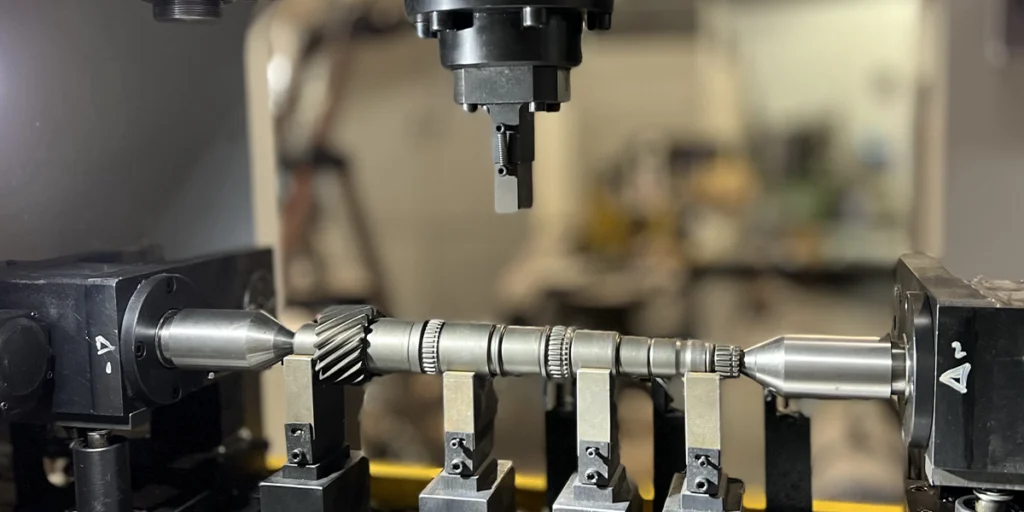
Is low-carbon steel strong?
Low-carbon steel is generally weaker than high-carbon steel and some alloy steels, but it still provides sufficiently stable structural performance for most mechanical manufacturing and industrial parts.
Many engineers choose low-carbon steel not to pursue extreme hardness, but to achieve a more reasonable balance between strength, processing efficiency, weldability and manufacturing cost.
Different types of low-carbon steel also differ in their mechanical properties. For example:
- 1018 low-carbon steel has stable overall strength.
- 1117 low-carbon steel has better wear resistance.
- After surface hardening treatment, the surface strength of low-carbon steel can be further improved.
Therefore, for many industrial parts, low-carbon steel is already sufficient to meet daily load and structural requirements.
In actual CNC machining projects, low carbon steel is commonly used for:
- Mechanical support structure
- Shaft-type parts
- Automated equipment components
- Industrial connectors
- General automotive parts
If parts require higher hardness or wear resistance, manufacturers typically use:
- Carburizing treatment
- Heat treatment
- Surface hardening
- Coating process
Instead of directly switching to more expensive and more difficult-to-process high-carbon steel materials.
For OEM manufacturing projects, this approach can typically control overall manufacturing costs more effectively.
Low carbon steel application parts
Due to its good machinability and low material cost, low-carbon steel is widely used in the manufacture of various mechanical parts and industrial components. Especially in CNC turning and CNC milling, low-carbon steel remains one of the most widely used metal materials in global manufacturing.
Mechanical structural components
Low-carbon steel is ideal for manufacturing various mechanical structural components. These parts typically require more attention to:
- Structural stability
- Processing efficiency
- Cost control
- Batch consistency
Common products include:
- Mounting bracket
- Mechanical base
- Industrial fasteners
- Equipment frame
- Connecting structural components
Because low-carbon steel is easy to weld and form, it is also frequently used in industrial projects that require subsequent welding and assembly.
Automotive parts
The automotive industry extensively uses low-carbon steel CNC machined parts. For many automotive components, low-carbon steel can effectively reduce material and production costs while meeting mechanical performance requirements.
Common applications include:
- Bushing
- Flange
- Connectors
- Mounting base
- Transmission auxiliary components
Some parts also incorporate surface treatment processes such as galvanizing, electrophoresis, or powder coating to improve corrosion resistance.
For mass production of automotive parts, stable dimensional control and consistency are particularly important, so professional low-carbon steel processing suppliers usually establish strict quality inspection processes.
Industrial equipment components
Low-carbon steel is also widely used in industrial automation and equipment manufacturing. Many industrial equipment parts do not require extremely high hardness, but rather prioritize:
- Manufacturing costs
- Processing stability
- Ease of later maintenance
Therefore, low-carbon steel is often used for:
- Automated equipment components
- Conveying system parts
- Industrial connectors
- Mechanical transmission components
- Tooling and fixtures
As a professional CNC machining manufacturer, we have long provided precision turning and milling services for low-carbon steel to industrial equipment customers, supporting everything from small-batch prototyping to large-scale mass production, and optimizing machining solutions according to part structure and application scenarios.
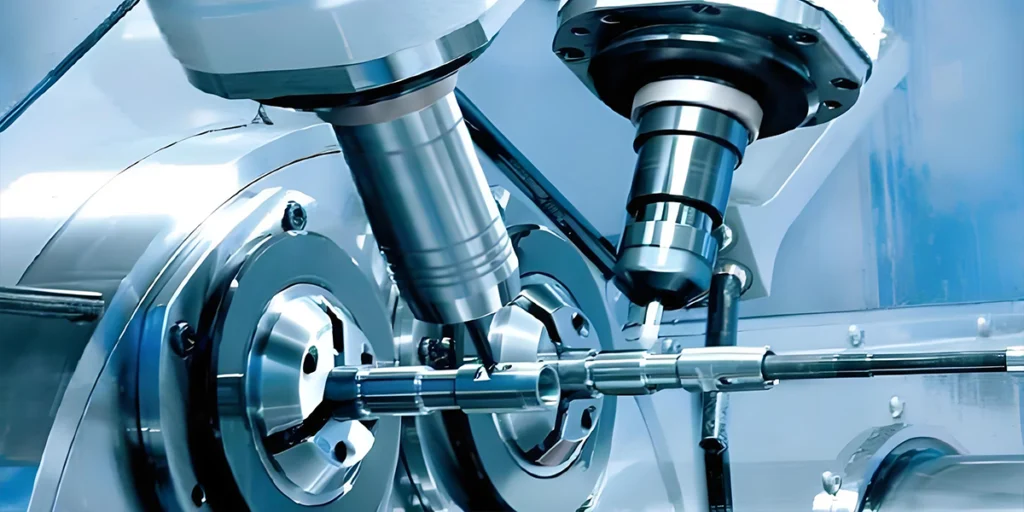
Why is low-carbon steel suitable for CNC machining services?
Among various industrial metal materials, low-carbon steel has always been one of the most commonly used materials in the CNC machining field. For many OEM manufacturers and equipment companies, low-carbon steel not only meets mechanical performance requirements but also effectively controls production costs and processing cycles.
This is why a large number of low-carbon steel parts are produced using CNC turning, CNC milling, and automated precision machining.
Stability
Low-carbon steel exhibits good material stability during CNC machining. Compared to some high-hardness steels or high-temperature alloys, low-carbon steel is easier to control during cutting.
- Dimensional tolerances
- Surface roughness
- Processing deformation
- Tool wear
For the manufacturing of precision mechanical parts, stable machining performance can significantly improve product consistency.
Especially in long-term mass production, material stability has a direct impact:
- Product yield
- Delivery cycle
- Overall processing cost
As a professional low-carbon steel CNC machining service provider, we select appropriate material grades and machining schemes based on the part structure, machining process, and tolerance requirements to ensure stable mass production results.
Advantages of batch processing
Low-carbon steel is ideal for medium to large-scale production. Due to its stable machinability, low-carbon steel can support:
- High-speed CNC turning
- Automated processing
- Multi-axis continuous machining
- Long-term stable production
For industrial parts that require mass production, this means:
- Higher productivity
- Lower unit cost
- More stable delivery time
Low-carbon steel materials such as 1018 and 12L15 are particularly suitable for automatic lathes and high-efficiency batch processing.
In actual production, professional CNC machining manufacturers typically use the following methods:
- Optimize toolpath
- Reduce the number of clamping operations
- Multi-axis machining
- Standardized process flow
Further improve the manufacturing efficiency of low-carbon steel parts.
Zhuohua Hardware has long provided low-carbon steel mass CNC machining services to global customers, supporting everything from prototype development to mass production, and can meet the requirements of different industrial projects for precision, delivery time and cost.
Reduce manufacturing costs
For most manufacturing projects, cost control remains a crucial factor in material selection. A core reason why low-carbon steel has long been the mainstream material in industrial manufacturing is its lower overall manufacturing cost.
This advantage is not only reflected in the price of raw materials, but also includes:
- Shorter processing time
- Lower tool consumption
- Higher productivity
- Less processing risk
Compared to high-hardness steel, many low-carbon steel parts can be produced through simpler processing techniques, thereby reducing the overall manufacturing cycle.
At the same time, low-carbon steel can also combine with:
- Welding
- Laser cutting
- Surface hardening
- Surface treatment
To form a more complete one-stop manufacturing solution.
For OEM customers, this not only reduces procurement costs but also decreases supply chain complexity. Therefore, low-carbon steel CNC machining remains one of the most cost-competitive solutions in the fields of machinery manufacturing, automation equipment, automotive components, and industrial structural parts.