


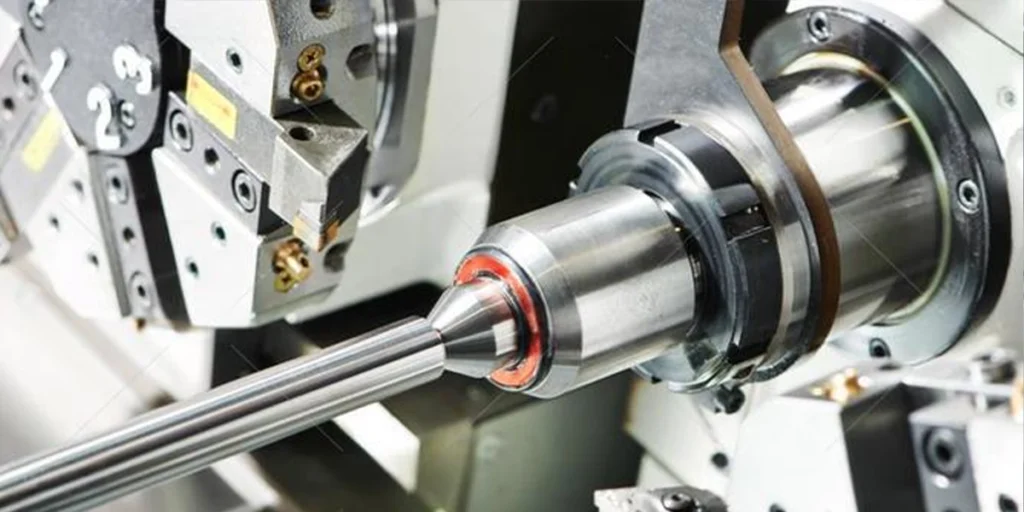
What is OEM CNC turning?
OEM (Original Equipment Manufacturer) CNC turning, simply put, means that the customer provides the design, and we are responsible for manufacturing.
In this cooperation model, clients typically already possess complete or nearly complete product information, for example:
- 2D engineering drawings
- 3D model files (STEP / STP / IGES / X_T, etc.)
- Material specifications
- Tolerance Standards
- Surface treatment requirements
- Packaging and labeling requirements
The supplier performs CNC turning, inspection, post-processing, and delivery based on the customer’s technical documents.
This is also one of the most common forms of cooperation in the international manufacturing industry, especially suitable for industries such as machinery and equipment, auto parts, medical devices, automation equipment, and electronic hardware.
The core features of OEM CNC turning
1. The client has the primary control over the design.
The product structure, dimensions, tolerances, materials, and brand are under the control of the customer, while the supplier is responsible for fulfilling the manufacturing requirements.
This means that customers can:
- Maintain product differentiation
- Protecting intellectual property rights
- Manage quality according to its own standards
- Flexible supply chain switching
2. More suitable for mature product projects
If your product has completed research and development and entered the procurement stage, the OEM model is usually the most efficient.
- Verified legacy product transfer suppliers
- Expand production capacity and find a second supplier
- Reduce procurement costs
- Overseas sourcing replaces high-cost local manufacturing
3. High requirements for supplier execution capabilities
OEM projects may seem simple, but they are actually very demanding because suppliers must accurately execute customer drawings, rather than “doing it based on experience.”
Key capabilities include:
- Size control capability
- Tolerance understanding ability
- Accuracy of material procurement
- Stable batch consistency
- Documented quality management
Common Part Types for OEM CNC Turning
OEM models are commonly used for the following machined parts:
- Motor shaft
- Aluminum casing
- Connector-type parts
- Medical connectors
- Precision sleeve
- Valve assembly
- Automated equipment parts
The most important issues for customers in OEM projects
In actual procurement, customers typically focus on:
- Was the first piece manufactured strictly according to the drawing?
- Are the sizes consistent in bulk orders?
- Can the goods be delivered on time?
- Can the supplier respond to engineering questions quickly?
- Do you have experience in export packaging and global delivery?
Zhuohua Hardware OEM Manufacturing Support
OEM CNC turning projects for overseas clients . We can quickly provide quotations and arrange production based on drawings. Support:
- CNC turning + CNC milling combined manufacturing
- Precision control ±0.02mm
- Maximum turning diameter: 431mm
- Maximum length 990mm
- 50+ metal and plastic materials
- Surface treatment support services
- From small-batch prototyping to long-term mass production
For customers with mature products, the OEM model is usually the fastest and most direct way to cooperate.
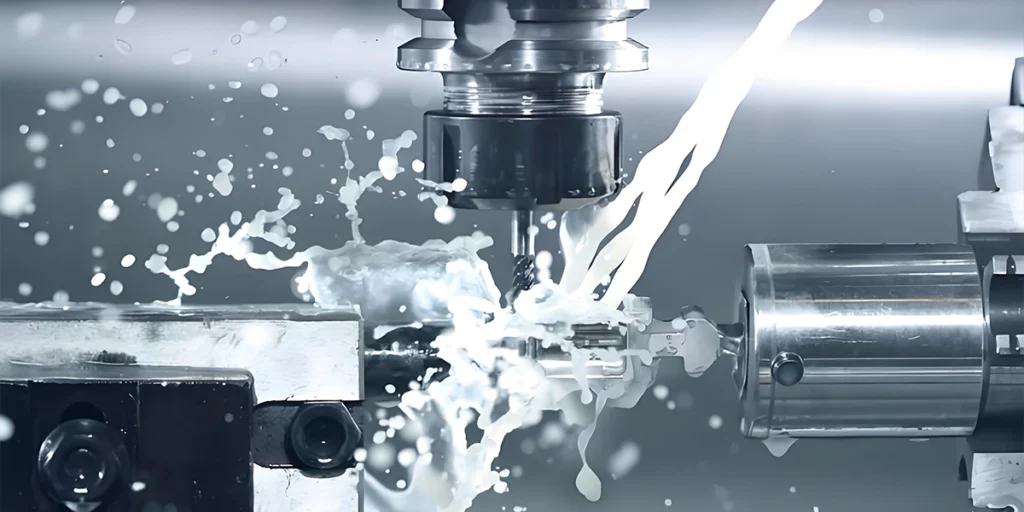
What is ODM CNC turning?
ODM (Original Design Manufacturer) refers to a supplier that is not only responsible for manufacturing, but also participates in product design, structural optimization, and even provides complete solutions.
Unlike OEM, under the ODM model, customers may not have complete drawings, but may only have the following information:
- Product Concept
- Functional requirements
- Use cases
- Reference Sample
- Performance goals
- Market Direction
Based on these requirements, suppliers assist in completing part design, manufacturing plan formulation, and sample development before entering the mass production stage.
The core value of ODM CNC turning
1. Shorten product development cycle
If a client does not have a complete mechanical engineering team within the company, the ODM model can significantly accelerate project progress. Clients do not need to design the entire structure from scratch; instead, they can leverage the manufacturer’s experience to quickly implement the design.
2. Reduce design errors and manufacturing risks
Many parts designs are feasible on paper, but many problems arise during mass production, for example:
- Setting tolerances too tight leads to excessively high costs.
- The structure cannot be efficiently clamped.
- Inappropriate material selection
- Thread position affects machining stability
- Post-processing dimensional instability
The ODM model can avoid these problems in the early stages.
3. More suitable for startup teams launching new products
ODM is typically very valuable for the following clients:
- Startup brands
- New product development team
- Companies lacking mechanical design resources
- Customers who want to quickly launch market-tested products
Common Collaboration Scenarios in ODM CNC Turning
For example, a customer might say: “I need an aluminum alloy casing for outdoor electronic devices that is waterproof, lightweight, and has a premium look.”
The supplier can provide further assistance in completing:
- Structural recommendations
- Wall thickness optimization
- Screw location design
- Sealing structure recommendations
- Anodizing scheme
- Batch processing solutions
Finally, deliver the samples and move into mass production.
ODM does not mean losing control.
Many clients mistakenly believe that ODM (Original Design Manufacturer) means losing control of the product. In reality, under mature cooperation models, clients retain control:
- Brand ownership
- Market channels
- Right to final design approval
- Procurement decision-making power
- Product upgrade direction
The supplier provides engineering and manufacturing support.
Zhuohua Hardware’s ODM support capabilities
We can assist clients in moving from concept to mass production, providing:
- Suggestions for optimizing the structure of machined parts
- Milling/Turning Combined Process Planning
- Material alternative recommendations (performance vs. cost)
- Prototyping support
- Small-batch trial production verification
- Mass production and delivery
It is particularly suitable for overseas clients who want to expedite projects but have limited internal engineering resources.
The essential difference between OEM and ODM
| model | Client-provided content | We provide content |
| OEM | Drawings, specifications, brand | Manufacture according to the drawings |
| ODM | Requirements, direction, and functions | Design + Manufacturing |
If you already have mature drawings, OEM is usually more efficient. If you only have ideas, samples, or requirements, ODM usually moves faster.
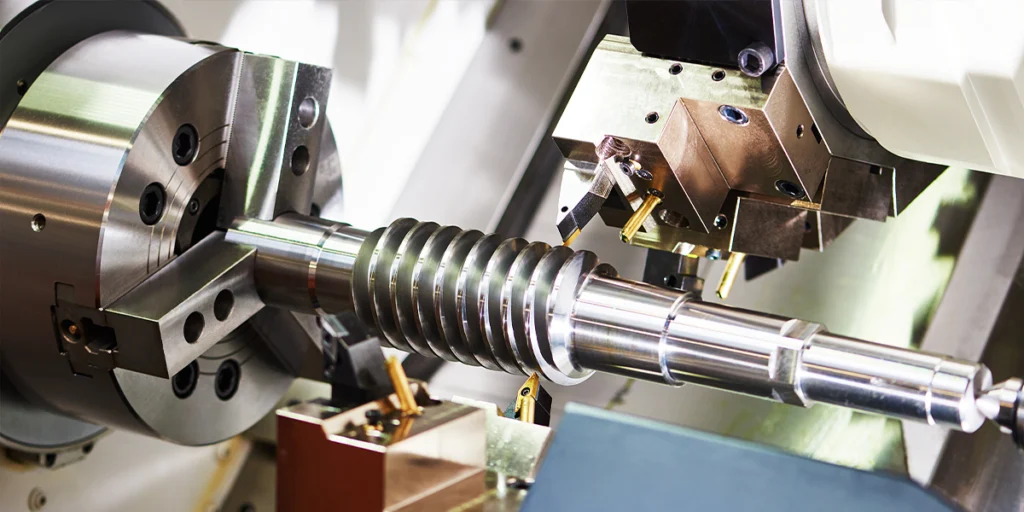
Which cooperation model is more suitable for you?
Many customers ask during the procurement stage: Should I choose OEM or ODM?
The answer is not which model is “better,” but which model is more suitable for the current project stage, internal resource allocation, and business objectives.
From a sales and engineering perspective, when judging a cooperation model, it is recommended to focus on the following four dimensions:
- Do you already have complete drawings?
- Do you have an internal engineering team?
- Is the project timeline tight?
- To what extent do you want to control it?
OEM is more suitable for mature product drawings
If your project has completed research and development and has complete technical documentation, for example:
- 2D drawings
- 3D model
- BOM List
- Material Standards
- Tolerance requirements
- Packaging specifications
OEM is usually a more efficient option.
The reason is simple:
- Clear manufacturing path
- Faster quotes
- Proofing is more direct
- Fast batch import speed
- The customer has complete control over the product.
This type of customer is commonly found in:
- Procurement department of established brands
- Industrial equipment manufacturers
- Automotive parts companies
- Seeking new suppliers for products already on the market
ODM is more suitable if you only have an idea or sample.
If you are currently in the early stages of development and only have the following:
- A product concept
- Handmade samples
- Competitor Reference
- Usage Scenarios
- Exterior Design
ODM is usually more efficient.
Because the supplier can assist in completing this:
- Structural design optimization
- Manufacturability assessment
- Material Recommendations
- Process planning
- Prototyping and verification
- Mass production introduction
This type of customer is commonly found in:
- Startups
- New Projects Division
- E-commerce brand clients
- Trading companies lacking mechanical engineering teams
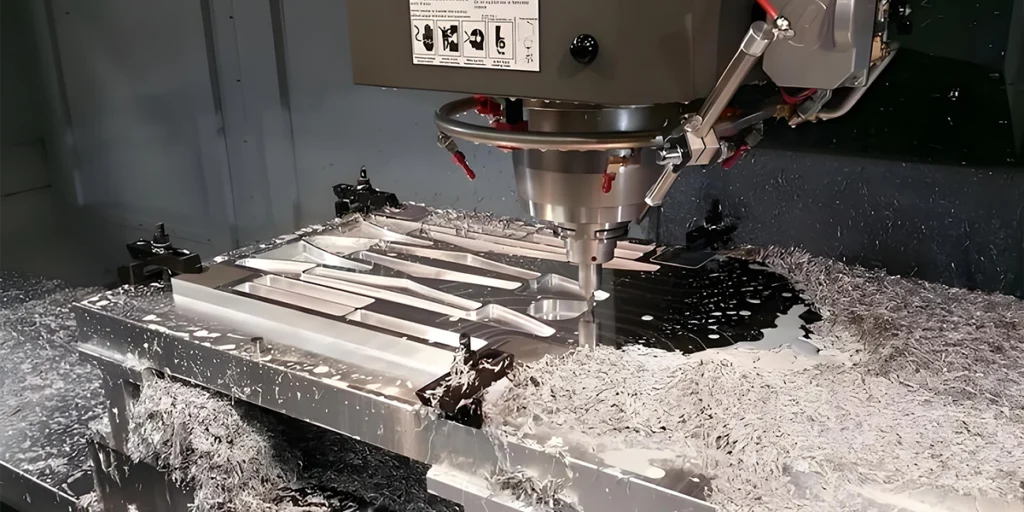
From prototyping to mass production process
Whether it’s an OEM or ODM project, the core issue that customers ultimately care about is usually only one: how to smoothly move from samples to stable mass production?
Many projects don’t fail in the design phase, but rather after prototyping—the samples can be made, but mass production spirals out of control. Therefore, established suppliers must have a complete implementation process.
1. Requirements confirmation / Drawing review
For OEM projects, we will review:
- Completeness of drawings
- Tolerance reasonableness
- Material availability
- Surface treatment requirements
- Key points of testing
For ODM projects, we will further confirm:
- Use cases
- Strength requirements
- Appearance Objectives
- Cost target
- Market positioning
This step determines the efficiency of subsequent operations.
2. Quotation and Manufacturing Recommendations
A quote should not just be a number, but should also include engineering assessments.
We typically conduct simultaneous assessments:
- Which process is more reasonable?
- Is it suitable for pure turning?
- Is mill-turn machining required?
- Can material costs be reduced?
- Price trend after bulk purchase
This helps customers make decisions more quickly.
3. Sample making
The goal of the prototype stage is not “to make a few parts”, but to validate:
- Do the dimensions match the drawings?
- Is the assembly smooth?
- Does the appearance meet the standards?
- Are the materials suitable?
- Is the market feedback positive?
At Zhuohua Hardware, we support rapid prototyping, with delivery as fast as 5 business days (depending on project complexity).
4. Sample Feedback and Optimization
Professional projects typically undergo 1-2 rounds of optimization, for example:
- Adjust hole position tolerance
- Modify chamfer dimensions
- Improve surface treatment effect
- Optimize assembly structure
- Reduce processing time
This step is perfectly normal and is an important stage in the project’s maturation.
5. Small-batch trial production
Before formal mass production, it is recommended to conduct trial production, for example:
- 50 items
- 100 items
- 500 pieces
The purpose is to verify:
- Production Rhythm
- Yield level
- Packaging method
- Shipping process
- Actual market feedback
6. Stable mass production
Once the process is stable, the continuous supply phase begins.
Key capabilities include:
- Stable procurement of raw materials
- Tooling and fixture management
- Process inspection
- Full inspection/sampling inspection before shipment
- Delivery time management
This determines whether customers can place orders with confidence in the long term.
Zhuohua Hardware’s mass production support capabilities
We can support our customers from sample to large-scale delivery:
- CNC turning (approximately 100 machines)
- CNC milling (300+ machines)
- 3-axis/5-axis capability
- ±0.02mm accuracy control
- Full coverage of prototype, small batch, and large batch production.
- 50+ material processing
- Surface treatment accessories
- Global export delivery
If you are evaluating OEM or ODM collaborations, or have an existing project ready for prototyping, Zhuohua Hardware can assist in developing a more reliable manufacturing path based on drawings, samples, or requirements.