


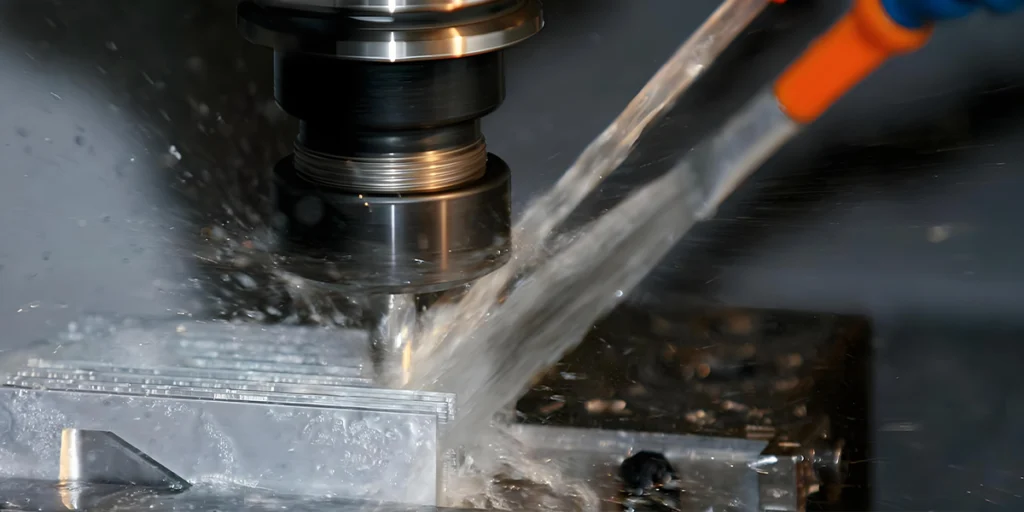
What are turning components?
Many customers are familiar with “CNC Turned Parts”, but in actual procurement, the demand is often not just for a single part, but for functional components or assemblies composed of multiple parts.
In short:
- Turned Part: A single part machined by CNC turning.
- Turned Component: A sub-component consisting of a turned part as the main component and other machined parts.
- Assembly: A finished module formed by assembling, fastening, and testing multiple parts.
These three differ greatly in their procurement logic, quality control, and supply chain management.
1. What kind of products belong to turned components?
In industrial manufacturing, many products have machined core structures that are then combined with other parts to form assemblies, for example:
Machinery and equipment industry
- Shaft + Bearing + Snap Ring Assembly
- Coupling assembly
- Guide wheel assembly
automotive industry
- Sensor metal housing assembly
- Braking system connection components
- Valve core assembly
healthcare industry
- Precision connector assembly
- Surgical instrument rotating assembly
- Internal transmission components of the testing equipment
Consumer electronics industry
- Aluminum alloy outer shell + internal support components
- Metal knob assembly
- Precision interface components
If these products are purchased in single parts, customers still need to integrate and assemble the parts themselves, which is usually inefficient.
2. Why do machined parts often become the core of components?
Because CNC turning is particularly suitable for manufacturing the following key structures:
- High-precision outer diameter
- Inner hole mating position
- Threaded connection
- Coaxial rotating structure
- Cylindrical sealing surface
- High surface quality mating surfaces
This means that many key functional components are naturally produced by turning processes.
3. Turning components is not just about “assembling parts”.
Truly mature component manufacturing focuses not on the assembly process itself, but on front-end control:
- Are the tolerances of the parts reasonably matched?
- Is the fit clearance stable?
- Did the dimensions change after surface treatment?
- Is the threaded locking reliable?
- Does the assembly sequence affect efficiency?
- Is batch consistency replicable?
Many customers encounter the problem that while individual parts may be qualified, the assembly fails to produce the desired functionality. The reason usually lies in a lack of component-based thinking, rather than a problem with the quality of individual parts.
4. Why are more and more customers buying components instead of parts?
Global sourcing trends are changing, and customers are paying more attention to:
- Reduce the number of suppliers
- Reduce internal assembly time
- Shorten delivery cycle
- Reduce inventory pressure
- Improve overall quality stability
Therefore, upgrading from single-part procurement to component procurement has become an increasingly common model.
Zhuohua Hardware’s component manufacturing support capabilities
We not only provide single-piece CNC turning, but also support customers in procuring complete component projects, including:
- CNC Turning parts
- CNC milling accessories
- Integration of sheet metal/outsourced parts
- Surface treatment accessories
- Sub-component assembly
- Packaging and shipping management
For customers, this means upgrading from “buying parts” to “getting results”.
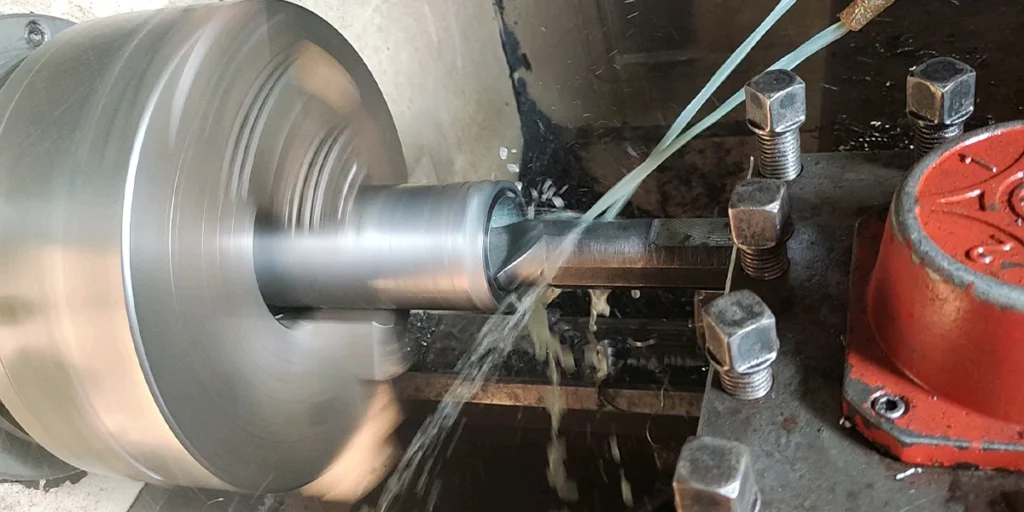
Single part vs. assembly procurement
Many procurement projects initially opt to purchase individual parts because it seems more straightforward and the unit price is more transparent. However, as orders grow and projects become more complex, more and more companies are turning to purchasing assemblies rather than multiple individual parts.
There is no absolute right or wrong between these two models; the key lies in the project phase, internal resources, and delivery goals.
1. Characteristics of single-part procurement
Single-part purchasing typically refers to customers purchasing parts separately.
- Turned parts
- Milled parts
- Fasteners
- Surface treated parts
- Standard parts
Then, the customer handles the inspection, warehousing, assembly, and coordination internally.
This model is suitable for:
- New product development stage
- Small-batch trial production
- It has a mature assembly team.
- Strong need for control over the supply chain
Advantages:
- Unit cost is clearer
- Flexible parts replacement
- The assembly process can be controlled independently.
Frequently Asked Questions:
- There are many suppliers.
- Difficulty in synchronizing delivery dates
- High management costs
- Internal assembly requires manpower
- Unclear boundaries of responsibility when problems arise
2. Characteristics of component procurement
Component procurement refers to customers directly purchasing pre-assembled modules, for example:
- Bearing assembly
- Metal housing assembly
- Valve subassemblies
- Connector module
- Automated equipment subsystem
The supplier is responsible for:
- Parts manufacturing
- External integration
- Collaboration testing
- Assembly work
- Finished product inspection
Once received, customers can either put the product online or proceed to the final assembly stage.
3. Why are more and more customers shifting to assembly procurement?
The reason is very practical: companies want to focus their resources on core business rather than parts coordination.
The following can usually be obtained by purchasing spare parts:
- Lower management costs
Instead of managing 5 suppliers, we now manage 1 main supplier. - Shorter delivery cycle
Manufacturing and assembly are carried out simultaneously, rather than starting only after all the parts have arrived. - Higher consistency
Having the same supplier control the tolerance chain and assembly relationship usually results in better stability. - Lower hidden costs
Reduce internal warehousing, handling, rework, and communication costs.
4. Which mode is more suitable for you?
If you choose single-part purchasing, you:
- New products are under development
- Frequent revisions to drawings
- It has an internal assembly line.
- Requires a high degree of autonomy
If you choose to purchase assembly parts, and you:
- Product structure has stabilized
- There is a continuous demand for bulk orders.
- To reduce supply chain complexity
- Hoping to deliver to customers faster
5. How does Zhuohua Hardware support two procurement models?
We can provide flexible support based on the stage of our clients’ projects:
- Single-part mode
- Rapid prototyping
- Custom-made turning parts
- Multiple material options
- Manufacturing with confidential blueprints
Assembly mode
- Integration of turning and milling parts
- Purchased standard parts
- Sub-component assembly
- Functional check
- Shipped in complete sets of packaging
6. The most important judgment criteria from a procurement perspective
Don’t just compare unit prices; you should compare:
- Total delivery cycle
- Internal management costs
- Risk of non-performing loan ratio
- Inventory pressure
- Stability after order expansion
Many projects may appear to have cheaper individual parts, but the actual overall cost is higher.
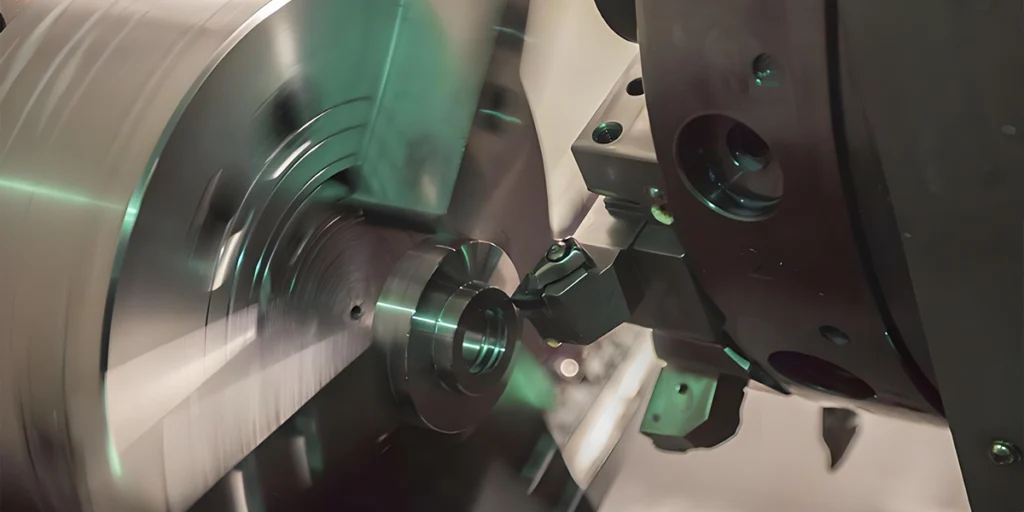
One-stop processing advantages
When a product involves multiple parts, processes, and suppliers, the real cost increase is often not due to the processing itself, but rather the coordination costs.
Many clients initially focus only on the unit price, but only after the project progresses do they realize the problem stems from:
- Drawing versions are out of sync
- Delivery times vary between different suppliers.
- Conflicts in tolerance matching
- Inconsistent surface treatment standards
- The parts arrived but could not be assembled.
- A significant amount of time is needed for internal follow-up and communication.
This is why more and more companies are choosing one-stop manufacturing.
1. Shorten project cycle
The traditional process typically involves: turning completed → shipped to a milling plant → shipped to a surface treatment plant → returned to the factory for inspection → customer assembly.
Each transfer increases:
- Waiting time
- Delivery time
- Communication time
- Risk of errors
The one-stop model allows for simultaneous internal implementation, significantly shortening the overall cycle. This is especially crucial during the new product introduction phase.
2. Reduce assembly risks
Even if individual parts manufactured by different suppliers are “qualified,” problems may still occur after assembly.
- Too tight a fit
- Too loose a fit
- Cumulative hole position deviation
- Inconsistent appearance color
- Abnormal thread fit
The reason is that no one manages the entire tolerance chain.
One-stop processing, where manufacturing is coordinated by the same team, makes it easier to control:
- Key mating dimensions
- Assembly clearance
- Surface uniformity
- Actual functional matching
3. Reduce communication costs
In a multi-supplier model, common procurement scenarios include:
- Factory A says the problem comes from Factory B.
- Factory B stated that the drawings were provided by the customer.
- The surface treatment plant said the incoming materials were out of tolerance.
Ultimately, the customer bears the coordination costs. One-stop suppliers, on the other hand, provide a single point of contact for responsibility, resulting in more efficient problem-solving.
4. Easier to control total costs
Many projects only compare the unit price of parts, ignoring hidden costs:
- Multiple shipping costs
- Internal assembly manpower
- Quality inspection time
- Rework losses
- Delivery delay costs
While one-stop processing may not offer the lowest price per piece, the total cost is usually better.
5. More suitable for projects requiring continuous mass production
If orders enter a stable batch phase, the one-stop model becomes more advantageous:
- Standard procedures are fixed.
- Stable delivery schedule
- Easier to expand production
- Quality data is traceable
This is especially important for overseas customers.
Zhuohua Hardware’s one-stop manufacturing capabilities
We can provide full support based on our clients’ projects:
- CNC turning (approximately 100 machines)
- CNC milling (300+ machines)
- 3-axis/5-axis machining
- 50+ supporting materials
- Surface treatment accessories
- Sub-component assembly
- Pre-shipment inspection
- Global delivery
Customers can upgrade from multiple supplier procurement models to a single window for management.
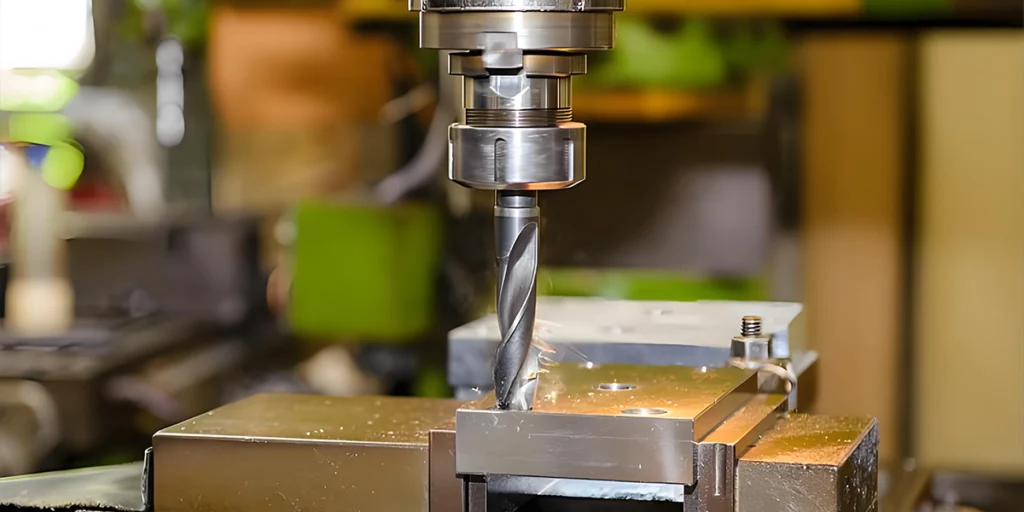
How to reduce supply chain complexity
Increased supply chain complexity is usually not due to products being too difficult, but rather to an overly fragmented supplier system.
A seemingly simple project may involve:
- Turning suppliers
- Milling suppliers
- Surface treatment plant
- Standard parts purchasers
- Assembly plant
- Packaging and logistics providers
The more suppliers there are, the more variables there are, and the greater the management pressure.
1. Number of consolidated suppliers
The most direct way to reduce complexity is to reduce the number of nodes.
For example, originally it was required to:
- 3 processing plants
- 1 surface treatment plant
- 1 assembly plant
Consolidating procurement under a single master supplier management system significantly improves efficiency. This not only reduces emails and meetings but also minimizes execution errors.
2. Assign integration responsibility to suppliers.
Established suppliers should not be solely responsible for processing a single drawing, but should undertake the following:
- Coordination of production scheduling for multiple parts
- Integration of external resources
- Process integration
- Pre-assembly confirmation
- Final inspection before shipment
Customers are responsible for their needs, and suppliers are responsible for implementation. This is the highly efficient model for modern manufacturing procurement.
3. Standardized material and drawing management
One common cause of supply chain disruptions is version control issues:
- Supplier A used old drawings
- Supplier B will implement the verbal modification.
- Supplier C’s material substitution has not been confirmed.
The solution is to have the main supplier manage it uniformly.
- Latest drawing version
- BOM List
- Material Standards
- Inspection requirements
This can significantly reduce the probability of rework.
4. Establish a stable delivery schedule
Complex supply chains are most vulnerable to emergency firefighting.
It is recommended to switch the project to a fixed-rhythm management system:
- Weekly production schedule
- Monthly Replenishment Plan
- Safety stock mechanism
- Order expansion plan
Experienced manufacturing partners can help customers establish more stable supply models.
5. Shift from “lowest bid” to “lowest total cost”
Many purchasing mistakes occur when you only look at the price quote.
What should really be compared is:
- Unit price
- Delivery time stability
- Defect rate
- Management input
- Inventory holding
- Delay losses
The lowest bidder is not necessarily the lowest total cost supplier.
How Zhuohua Hardware Helps Customers Simplify the Supply Chain
We have a long history of supporting overseas clients in transitioning from decentralized procurement to centralized management, and can provide the following:
- Single-part machining
- Integration of multi-component projects
- Combination manufacturing of turning and milling
- Surface treatment accessories
- Assembly support
- Volume delivery plan
- Stabilize export packaging and logistics coordination
If you are willing to provide the number of parts, process type, and procurement model for your current project, Zhuohua Hardware can assist in assessing whether it is suitable to switch to a one-stop manufacturing solution and provide a more efficient delivery path.