


Inconel 718 is one of the most common nickel-based superalloys used in the aerospace, energy, and high-temperature industries. Due to its excellent strength and heat resistance, 718 alloy is frequently used in the manufacture of critical components for extreme operating environments.
However, for the manufacturing industry, 718 alloy is also one of the most difficult materials to machine. It undergoes rapid work hardening, resulting in extreme tool wear, and is prone to thermal deformation and dimensional instability during high-precision CNC machining. Therefore, CNC machining of 718 alloy relies not only on equipment capabilities but also on practical machining experience and stable process control.
For projects requiring highly reliable parts, it is crucial to select a CNC machining supplier with experience in machining 718 nickel alloy.
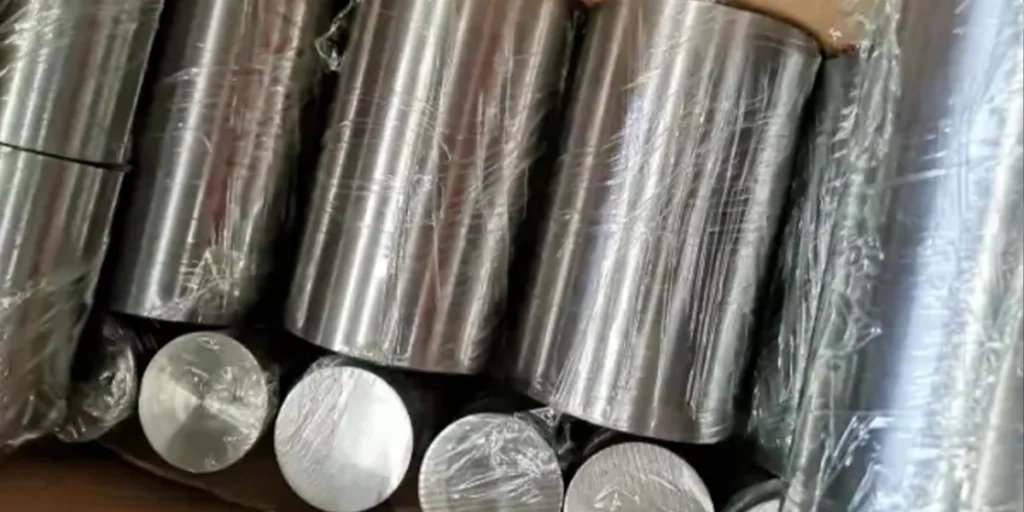
Analysis of Machining Performance of Inconel 718
Inconel 718 is a precipitation-strengthened nickel-based superalloy. It can maintain stable performance for a long time under high temperature, high pressure and strong corrosion environments, and is therefore widely used in aero engines, energy equipment and high-temperature mechanical systems.
For engineers, 718 alloy is a high-performance material. But for CNC machining, it also means greater manufacturing difficulty and more complex process control.
High strength properties
One of the most notable features of Inconel 718 is its exceptionally high mechanical strength. Even under high-temperature conditions, it maintains excellent performance.
- Tensile strength
- Fatigue resistance
- Creep resistance
- Structural stability
This is why 718 alloy is often used in:
- Aircraft engine structural components
- Turbine system components
- High-pressure sealing assembly
- High-temperature fasteners
Compared to ordinary stainless steel or titanium alloys, Inconel 718 material is more suitable for long-term extreme loads.
However, for CNC machining, high strength also means:
- Greater cutting resistance
- Tools wear out faster
- Longer processing time
Especially in high-precision Inconel 718 machining projects, if the equipment rigidity is insufficient, the following problems can easily occur:
- Tool vibration
- Unstable surface roughness
- Tolerances out of tolerance
Therefore, CNC machining of 718 alloy typically requires high-rigidity equipment and a more stable machining strategy.
At Zhuohua Hardware, we select based on the different 718 component structures:
- 3-axis or 5-axis CNC machining
- High-rigidity clamping solution
- Special high-temperature alloy cutting tools
- Phased finishing process
To improve processing stability and reduce batch errors.
Heat resistance
of Inconel 718 is its excellent heat resistance. Many metals lose their mechanical strength rapidly at high temperatures, but Inconel 718 maintains high stability even at temperatures above 700°C.
Therefore, it is widely used in:
- Hot-section components of aircraft engines
- Gas turbine system
- High-temperature exhaust structure components
- Core components of energy equipment
However, from a processing perspective, the heat resistance actually increases the manufacturing difficulty.
Because 718 material generates a large amount of heat during cutting, and the material itself has low thermal conductivity, the heat is difficult to dissipate quickly. This leads to:
- The temperature at the blade tip rises rapidly.
- Localized thermal deformation of the workpiece
- Increased risk of surface burns
- Machining dimension drift
For complex 718 alloy parts, especially thin-walled structural parts, thermal control directly affects the final machining quality.
Therefore, professional machining of Inconel 718 typically requires:
- High-pressure cooling system
- Stable cutting parameters
- Multiple semi-finishing and finishing processes
- Real-time size detection
Many inexperienced processing plants can “process” Inconel 718 material, but they cannot maintain stable control:
- Long-term batch consistency
- Precision tolerances
- Surface integrity
This is why high-end 718 CNC machining projects rely more on established suppliers, rather than just ordinary CNC equipment.
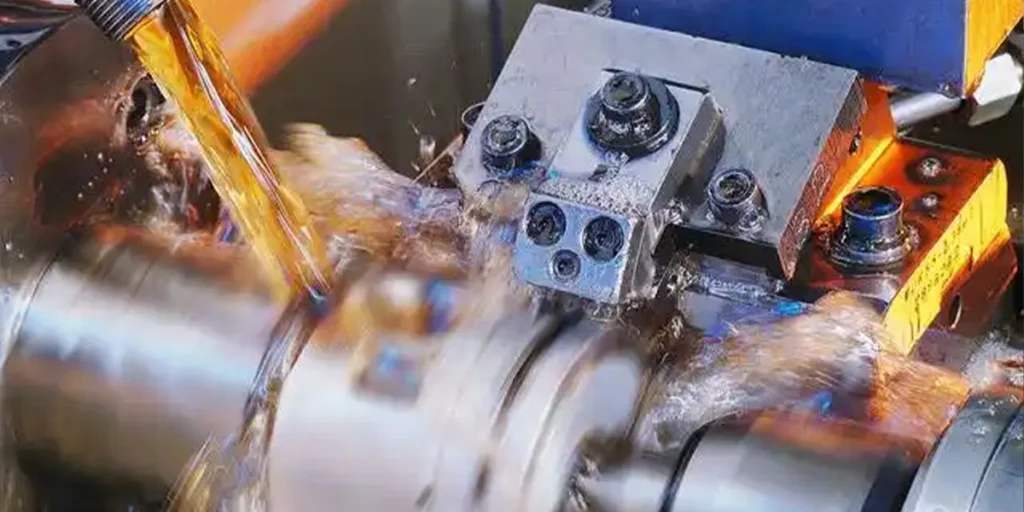
The core difficulties in 718 processing
Inconel 718 is widely considered one of the most difficult metals to machine. Many customers focus on material properties when choosing 718 alloy, but in reality, the ability to process it is often the key factor determining the stability of a project.
Because 718 alloy material possesses both of the following characteristics:
- High strength
- High heat resistance
- Strong work hardening properties
Therefore, it places high demands on equipment, cutting tools, processes, and engineering experience.
For CNC machining projects of Inconel 718, the following issues are most likely to affect production efficiency and final quality.
Severe work hardening
Work hardening is one of the most typical problems with 718 alloy . During the cutting process, the surface layer of the material hardens rapidly. If the cutting parameters are not properly controlled, subsequent tools will continue cutting on the harder surface, thus creating a vicious cycle.
This will directly lead to:
- Tool life decreases rapidly
- Surface quality deterioration
- Cutting temperature increases
- Size instability
Many ordinary processing plants encounter the following problems when processing 718 alloy:
- Frequent chipping of cutting tools
- Surface scratches
- Severe burrs
- Extremely low processing efficiency
Therefore, machining of 718 alloy typically requires:
- Maintain stable continuous cutting
- Avoid tool pauses and friction
- Use special high-temperature alloy cutting tools
- Precise control of feed parameters
For complex structural parts, multi-axis CNC machining can effectively reduce the area of repeated cutting, thereby reducing the risk of work hardening.
High cutting force
Inconel 718 material has extremely high strength, thus generating significant cutting forces during machining. This not only increases the load on the equipment but also affects:
- Tool stability
- Surface roughness
- Workpiece dimensional accuracy
The cutting force problem is particularly pronounced in deep cavity machining, slender shaft machining, or thin-walled structure machining.
If the equipment lacks rigidity, the following problems can easily occur:
- Vibrating knife
- Knife pattern
- Surface ripples
- Precision drift
Therefore, professional machining of Inconel 718 typically requires:
High-rigidity CNC equipment
- Stabilizing clamp system
- Shorter cutter extension length
- Layered cutting strategy
At Zhuohua Hardware, we conduct DFM analysis and optimization in advance based on the component structure:
- Clamping scheme
- Toolpath
- Processing sequence
This reduces the cutting load and improves overall machining stability.
Dimensional deformation control
In high-precision Inconel 718 machining, dimensional deformation is one of the most easily underestimated problems. Because Inconel 718 material continuously accumulates heat during machining, parts may exhibit the following issues at different stages of processing:
- Thermal expansion
- Stress relief
- Local deformation
in particular:
- Thin-walled parts
- Long shaft parts
- Complex curved surface structural components
It is more likely to cause dimensional drift after finishing.
In many cases, parts pass inspection on the machine tool, but their dimensions change after cooling. Therefore, high-precision CNC machining of Inconel 718 typically requires:
- Stress release in stages
- Allowance for semi-finishing
- Finishing temperature control
- Online detection system
For aerospace-grade 718 alloy parts, dimensional stability is often more important than single-shot machining accuracy.
This is why experienced Inconel 718 machining suppliers typically build complete process databases, rather than relying solely on operator experience.
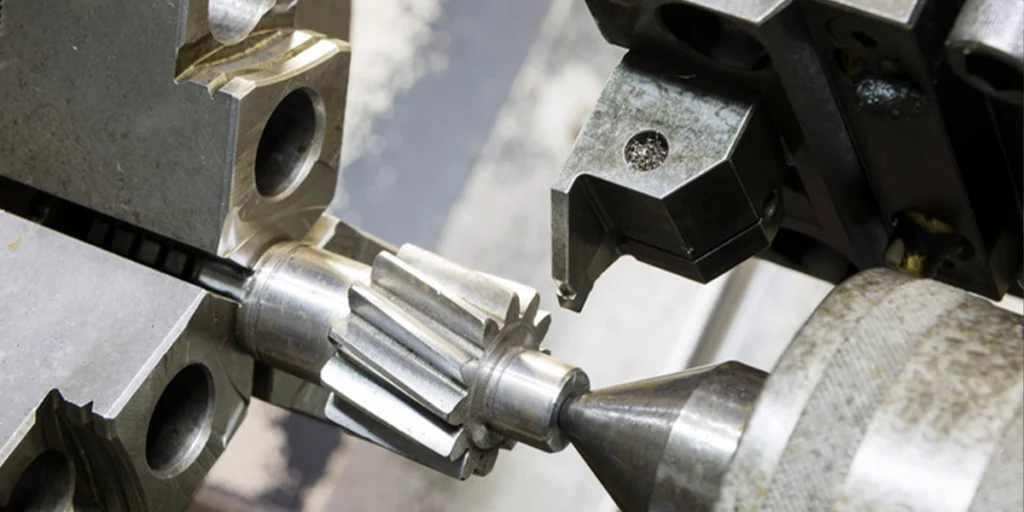
How to improve the processing efficiency of Inconel 718
For high-temperature nickel-based alloys like Inconel 718 , machining efficiency not only affects production cycle time but also directly impacts manufacturing costs and batch stability. Due to the high machining difficulty of Inconel 718 , an inappropriate machining strategy, even with sufficient equipment performance, can lead to problems such as short tool life, excessively long machining time, and unstable dimensional consistency.
Therefore, professional Inconel 718 machining usually focuses more on overall process optimization, rather than simply increasing the cutting speed.
High-speed machining strategy
Many customers believe that high-temperature alloys must be machined at low speeds, but in fact, a reasonable high-speed machining strategy can reduce work hardening and reduce the heat generated by continuous friction of the tool.
For 718 alloy, stable cutting conditions are more important than simply reducing the rotational speed. Professional CNC machining typically combines:
- Dynamic feed control
- High-speed cutting with small depth of cut
- Constant tool load
- High-pressure cooling system
This reduces heat concentration and tool wear.
In the machining of complex parts, roughing and finishing typically employ different parameters. Roughing focuses on material removal efficiency, while finishing emphasizes surface quality and dimensional stability. For batch production of 718 parts, a stable high-speed machining process can also significantly improve production consistency.
Multi-axis CNC machining
For complex Inconel 718 parts, multi-axis CNC machining is generally more efficient than traditional 3-axis machining.
Because Inconel 718 material is inherently difficult to process, if a part requires multiple clamping operations, it will not only increase processing time but also easily lead to:
- Cumulative tolerance
- Positioning error
- Surface consistency problem
5-axis CNC machining can complete the machining of multiple complex angles in a single setup, thereby reducing repeated positioning and improving machining stability.
This type of processing method is particularly suitable for:
- Aerospace structural components
- Turbine system components
- Complex flow channel components
- High-precision curved surface structural components
At Zhuohua Hardware, we select 3-axis, 3+2-axis, or 5-axis machining solutions based on the structural complexity of the 718 parts to balance machining efficiency, accuracy, and manufacturing costs.
For projects with high tolerance requirements, multi-axis machining can effectively reduce human error and improve batch consistency.
Optimize toolpath
In CNC machining of 718 alloy , toolpath optimization is often more important than simply improving equipment performance.
An unreasonable processing path can easily lead to:
- Localized heat accumulation
- Abnormal tool wear
- Vibrating knife
- Surface burns
Especially in machining deep cavities, narrow grooves, or complex curved surfaces, the changes in tool load can be very significant.
Therefore, professional nickel alloy processing typically employs the following methods:
- Smooth continuous cutting path
- Constant cutting load strategy
- Reduce sharp turning angles
- Layered progressive processing
This reduces the risk of work hardening and increases tool life.
For high-value 718 alloy parts, machining path optimization can not only improve efficiency but also reduce scrap rates. Many high-end aerospace projects even optimize CAM programs individually for each part to ensure optimal machining stability.
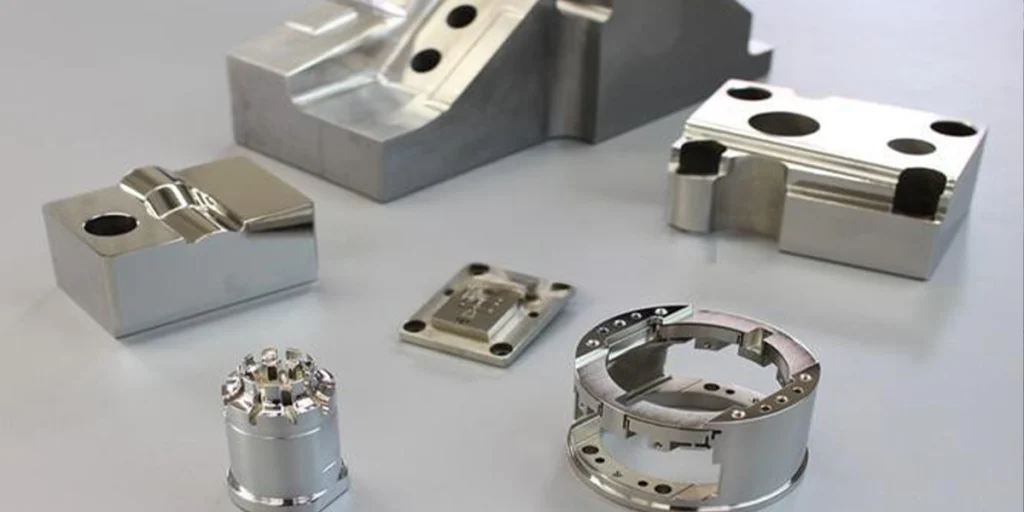
Common types of 718 alloy parts
Inconel 718 is widely used in high-reliability industrial applications due to its high strength, high temperature resistance, and fatigue resistance. Compared to ordinary metal parts, 718 alloy parts typically operate in more demanding environments and have higher requirements for machining accuracy, surface integrity, and long-term stability.
This is why 718 CNC machining is more concentrated in the aerospace, energy and high-end industrial fields.
Aerospace structural components
Aerospace is one of the core application areas of 718 alloy . Many engine structural components need to operate for extended periods under high temperature, high pressure, and continuous vibration environments, thus requiring extremely high mechanical stability.
Common Inconel 718 aerospace parts include:
- Engine structural support
- Combustion chamber components
- Sealing structural components
- High-temperature connectors
These types of parts typically have:
- Complex surfaces
- Thin-walled structure
- High dimensional accuracy requirements
Therefore, 5-axis CNC machining is very common in the manufacturing of Inconel 718 aerospace parts. For aerospace projects, suppliers not only need machining capabilities, but also a stable quality control system and the ability to maintain consistent batch production over a long period.
Turbine system parts
718 alloy is also widely used in gas turbines and energy systems. Because turbine systems operate in high-temperature environments for extended periods, ordinary steels struggle to meet stability requirements, while 718 maintains its strength and oxidation resistance under extreme conditions.
Typical parts include:
- Turbine disk
- Flow guiding components
- High-temperature casing
- Hot end structural components
These types of parts typically have high material costs and long processing cycles, therefore customers pay more attention to:
- Scrap rate control
- Process stability
- Size consistency
For complex turbine parts, specialized nickel alloy machining suppliers typically conduct a complete DFM assessment before formal production to reduce manufacturing risks in advance.
High-temperature fasteners
High-temperature fasteners are another important application area for 718 alloy . In high-temperature and highly corrosive environments, ordinary fasteners are prone to failure, while 718 alloy material can maintain long-term mechanical stability.
Common products include:
- High-temperature bolts
- Aviation fasteners
- Energy system connectors
- High-voltage mounting components
Although these parts are usually small in size, they are not easy to manufacture.
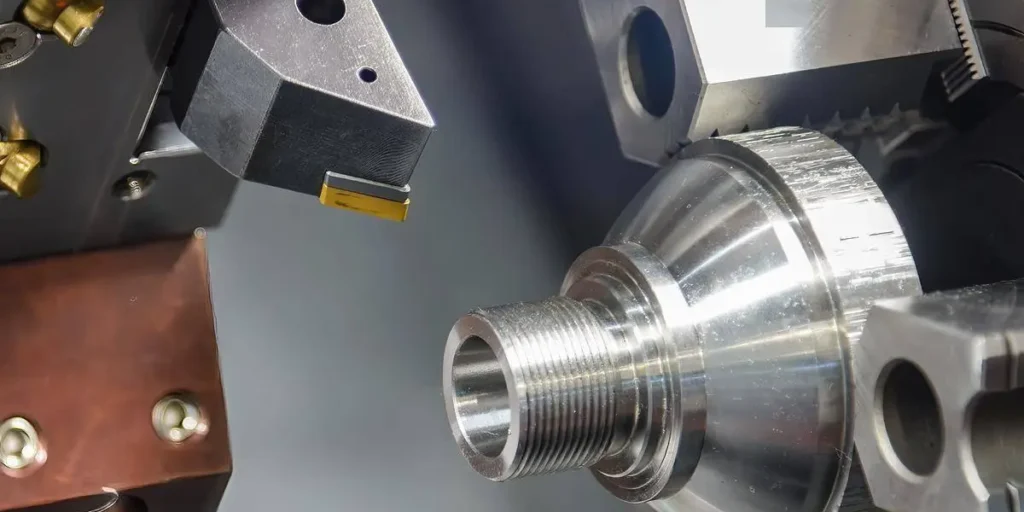
Precision thread machining, coaxiality control, and batch consistency, in particular, place extremely high demands on CNC turning capabilities. Therefore, high-precision 718 alloy turning projects typically require:
- High-stability CNC lathe
- Online detection capability
- Stable tool life control
The Importance of Professional Inconel 718 Machining Services
Machining 718 alloy is not simply an extension of ordinary CNC machining capabilities. Many machining plants can process aluminum, stainless steel, and even titanium alloys, but in 718 high-temperature alloy projects, a lack of experience often leads to problems.
- Abnormal tool wear
- Delivery delay
- Unstable tolerances
- Poor batch consistency
Especially in aerospace, energy, or high-end industrial projects, the parts themselves are valuable, and the cost of processing failures is also very high.
Therefore, when choosing an Inconel 718 processing supplier , customers typically focus not only on price, but also on:
- Does it involve long-term processing of high-temperature alloys?
- Does it have multi-axis machining capabilities?
- Does it have a stable quality system?
- Can DFM support be provided?
- Does the company have experience in mass production?
At Zhuohua Hardware, we have a long history of providing CNC machining services for high-precision, complex parts projects using 718 nickel alloys , including:
- 3-axis and 5-axis CNC milling
- Precision CNC turning
- From small batch to mass production
- Machining accuracy ±0.02mm
- Complex structural components
For high-temperature nickel-based alloy projects, we will develop specialized processing solutions based on material properties, part structure, and tolerance requirements to improve processing stability and reduce overall manufacturing risks.
For many demanding projects, what really matters is not “whether we can process 718 alloy”, but “whether we can process 718 alloy stably over a long period of time”.