


Inconel Alloy 625 is one of the most common nickel-based superalloys in industrial applications. Due to its excellent corrosion resistance, high-temperature stability, and mechanical strength, it is widely used in aerospace, marine engineering, energy, and chemical equipment manufacturing. However, for many manufacturing companies, CNC machining of Inconel Alloy 625 is not easy.
While this material boasts excellent properties, it is also a typical difficult-to-machine metal. It undergoes rapid work hardening, generates significant cutting heat, and noticeably accelerates tool wear. Without high-rigidity equipment and mature process experience, machining stability is difficult to control. Therefore, in high-precision Inconel Alloy parts projects, selecting a CNC machining supplier with experience in machining Inconel Alloy 625 is crucial.
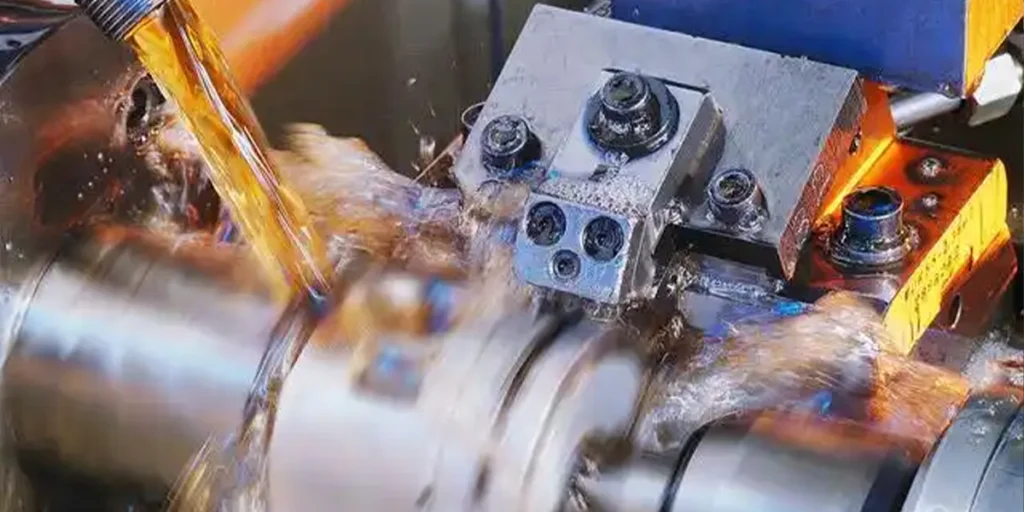
What is Inconel Alloy 625?
Inconel Alloy 625 is a high-performance nickel-based alloy with added elements such as chromium, molybdenum, and niobium. Its most notable characteristic is its ability to maintain stable performance over long periods in high-temperature, corrosive, and high-pressure environments, making it frequently used in the manufacture of critical components operating under extreme conditions.
Compared to ordinary stainless steel, 625 alloy has stronger properties:
- Corrosion resistance
- Oxidation resistance
- High temperature strength
- Fatigue resistance
This is why more and more high-end industrial projects are starting to use Inconel Alloy 625 CNC machining for parts.
In actual manufacturing, 625 alloy is typically manufactured through:
- CNC milling
- CNC turning
- Multi-axis machining
- Precision drilling
- Machining of complex curved surfaces
To complete the manufacturing of complex structural components.
For high-tolerance parts, multi-axis CNC machining can effectively reduce the number of clamping operations, thereby improving dimensional stability and surface consistency.
Material properties
Inconel Alloy 625 is a typical nickel-chromium-molybdenum alloy. Its core advantage comes from the material’s stable internal metallic structure, which allows it to maintain high mechanical properties in harsh environments.
The main material characteristics of alloy 625 include:
- High strength
- High toughness
- Excellent antioxidant properties
- Good anti-fatigue ability
- Excellent resistance to pitting and crevice corrosion.
Compared to aluminum or ordinary steel, alloy 625 can maintain stable strength even at high temperatures.
Therefore, it is often used for:
- High-temperature structural components
- Pressure system components
- Turbine components
- Deep-sea equipment
However, from the perspective of CNC machining, high strength and high toughness also mean higher machining difficulty.
Inconel Alloy 625 is prone to the following issues during the cutting process:
- Work hardening
- Increased tool wear
- Concentrated heat
- Surface stress problem
This is why professional Inconel Alloy processing service providers usually develop independent processing solutions for 625 material.
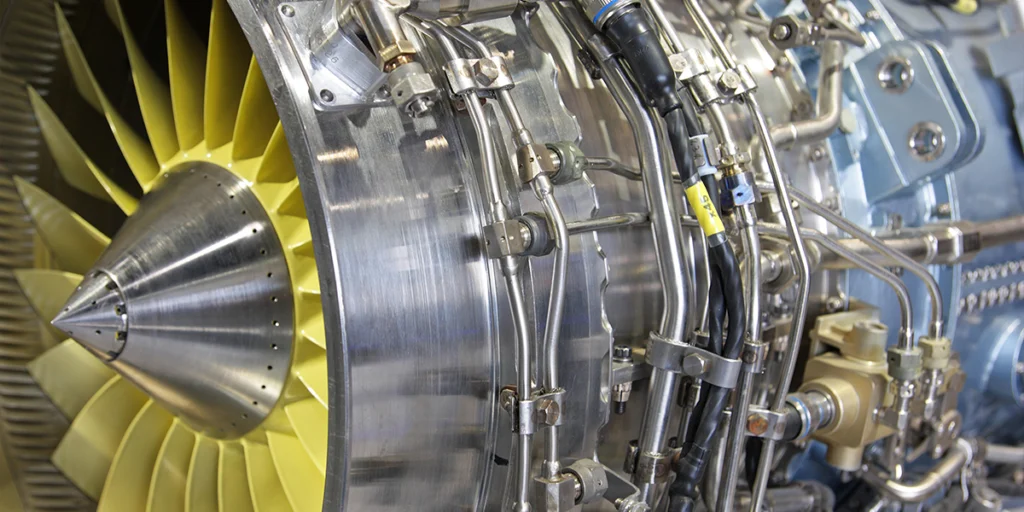
Corrosion resistance and high temperature performance
Corrosion resistance is one of the most important advantages of Inconel Alloy 625. It can operate stably for extended periods in the following environments:
- Marine environment
- Acidic medium
- High-salt environment
- High humidity conditions
- High-temperature oxidation environment
Compared to ordinary stainless steel, 625 alloy has a longer service life under extreme corrosive conditions. Therefore, many marine equipment and chemical systems prioritize 625 Inconel Alloy parts.
In addition, Alloy 625 possesses very stable high-temperature properties. Even under high-temperature environments, it can still maintain:
- Good mechanical strength
- Dimensional stability
- Resistance to thermal fatigue
This is also a major reason why the aerospace industry uses Inconel Alloy 625 CNC machining for a large number of parts.
For high-temperature applications, material stability has a direct impact:
- Component lifespan
- Security
- System reliability
Therefore, in high-end Inconel Alloy processing projects, processing quality is far more important than simply low price.
At Zhuohua Hardware, we have a long history of providing CNC machining services for Inconel Alloy 625 for industrial equipment, energy systems, and high-performance structural components.
Our capabilities include:
- 3-axis and 5-axis CNC milling
- Precision CNC turning
- Custom-made complex Inconel Alloy parts
- ±0.02mm accuracy control
- Support for small-batch to mass production
For difficult-to-machine materials like Inconel Alloy 625, we optimize the cutting scheme based on the part structure, wall thickness, tolerances, and application environment to improve machining stability and reduce overall manufacturing risks.
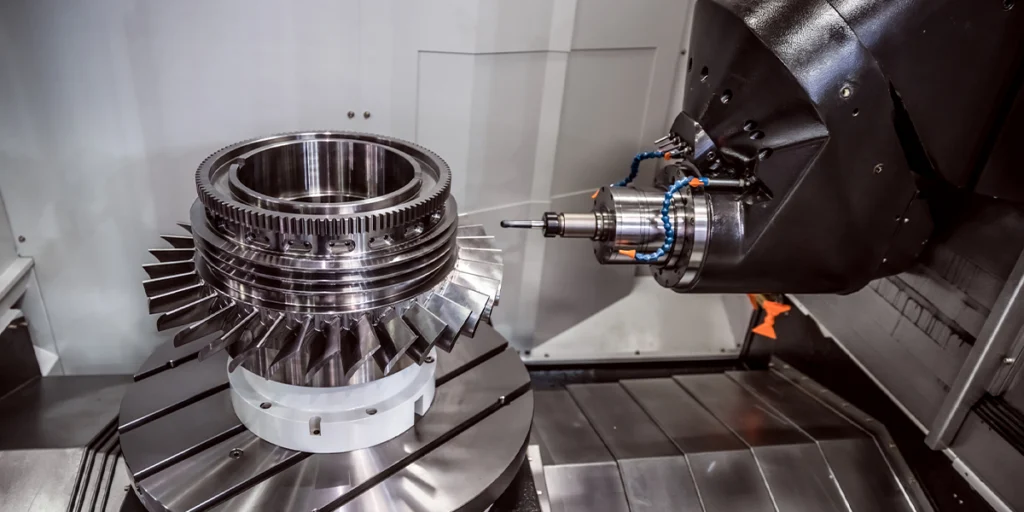
Why is Inconel Alloy 625 difficult to machine?
Although Inconel Alloy 625 has excellent mechanical properties, it is also recognized in the industry as one of the most difficult materials to machine.
Many ordinary CNC machining plants often encounter the following problems when processing 625 alloy:
- Short tool life
- Size instability
- Poor surface quality
- Low processing efficiency
Especially in high-precision Inconel Alloy CNC machining projects, insufficient equipment rigidity or lack of process experience can easily lead to batch consistency problems.
The high difficulty in machining 625 alloy stems from the following aspects.
Work hardening
Work hardening is one of the most typical problems with Inconel Alloy 625. During the cutting process, the surface layer of the material hardens rapidly due to the high pressure and high temperature.
This means:
- Subsequent cutting becomes more difficult.
- Cutting force continues to increase
- Tool load increases rapidly
If the cutting parameters are not set properly, the surface hardness of the material will increase, ultimately affecting:
- Surface roughness
- Dimensional accuracy
- Tool stability
Therefore, CNC machining of 625 alloy typically requires:
- More stable feed rate
- Avoid repeated cutting
- Control the depth of cut
- Optimize toolpath
For complex structural parts, 5-axis CNC machining can effectively reduce the area of repeated machining, thereby reducing the effect of work hardening.
Cutting heat problem
Inconel Alloy 625 has low thermal conductivity. This means that a large amount of heat generated during processing cannot be quickly conducted away, but instead concentrates in:
- Tool cutting area
- Workpiece surface
- Local edge region
Excessive temperature can lead to:
- Overheating of the cutting tool
- Workpiece thermal deformation
- Surface burns
- Tolerance drift
Especially in high-precision Inconel Alloy machining, heat control directly determines machining stability.
Therefore, professional Inconel Alloy 625 machining suppliers typically use:
- High-pressure cooling system
- Segmented cutting strategy
- Stable cutting parameters
- Specialized tool coating
To reduce heat buildup.
In the machining of thin-walled 625 parts, thermal deformation control is particularly important. Otherwise, the following problems can easily occur:
- Dimensional deviation
- Vibrating knife pattern
- Roundness out of tolerance
Short tool life
Inconel Alloy 625 alloy significantly accelerates tool wear. Compared to ordinary steel, Inconel Alloy 625 exerts a greater impact on tools, especially during continuous machining, which can drastically shorten tool life.
Frequently asked questions include:
- The tip of the knife chipped.
- Coating peeling
- Tool dulling
- Surface quality deteriorates
Continuing to use worn-out tools can easily lead to:
- Increased burrs
- Tolerance out of control
- Surface cracks
Therefore, CNC machining of Inconel Alloy 625 typically requires a higher-grade tooling system, such as:
- Coated carbide cutting tools
- Ceramic knives
- High-temperature special cutting tools
At the same time, the processing plant also needs to adjust in a timely manner according to the condition of the materials:
- Rotational speed
- Feed rate
- Depth of cut
In actual production, tool management capabilities often directly determine the machining cost of 625 alloy.
This is why experienced Inconel Alloy CNC machining suppliers are usually able to:
- Improve processing stability
- Reduce scrap rate
- Shorten delivery cycle
- Control overall manufacturing costs
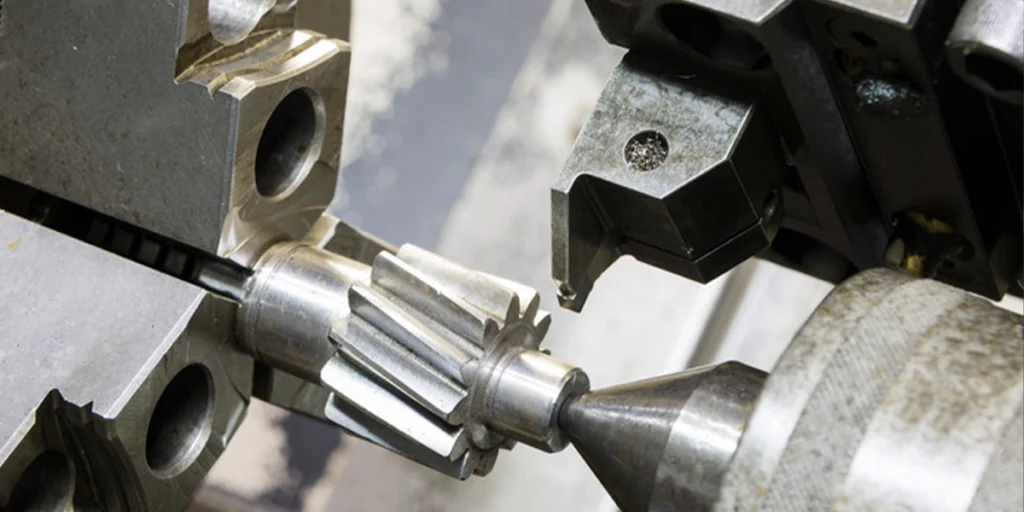
Inconel Alloy 625 CNC machining process
Machining with Inconel Alloy 625 CNC is generally more complex than machining with ordinary stainless steel or aluminum alloys because the material itself has high strength, high toughness, and significant work hardening properties. If machining parameters are not properly configured, problems such as rapid tool wear, dimensional instability, and degraded surface quality can easily occur.
Therefore, in high-precision Inconel Alloy machining projects, mature machining processes are often more important than equipment alone. Professional Inconel Alloy CNC machining suppliers typically develop customized cutting solutions based on material condition, part structure, tolerance requirements, and batch size.
Cutting parameter recommendations
In Inconel Alloy 625 machining, stability is more important than simply increasing speed. Due to the material’s high cutting resistance, lower cutting speeds and more stable feed strategies are typically employed to reduce work hardening and tool wear.
For rough machining, the priority is usually to ensure material removal efficiency while controlling heat accumulation; while in the finishing stage, more attention is paid to dimensional accuracy and surface roughness control.
Complex 625 alloy parts often require optimized toolpaths to avoid repeatedly cutting the same area; otherwise, the material surface will harden rapidly, affecting the stability of subsequent machining. For deep cavities, thin walls, or complex curved surfaces, multi-axis CNC machining can significantly reduce secondary clamping and improve machining consistency.
Tool material selection
The tooling system is one of the core factors affecting the stability of Inconel Alloy 625 CNC machining. Because 625 alloy continuously generates high cutting forces and high temperatures, ordinary tools often cannot provide stable machining over extended periods. Therefore, specialized Inconel Alloy machining typically uses:
- Coated carbide cutting tools
- Ceramic knives
- High heat-resistant cutting tool materials
Different part structures require different tooling solutions. For example:
- Rough machining focuses more on impact resistance
- Finishing focuses more on surface quality.
- Deep hole machining places greater emphasis on chip removal capabilities.
In actual production, tool wear monitoring is equally crucial. If a tool has begun to dull but is not replaced in time, it can easily lead to:
- Surface roughness deterioration
- Size drift
- Increased burrs
- Localized cracks
Therefore, established 625 machining suppliers typically establish a complete tool life management system to ensure the consistency of batch parts.
Cooling method optimization
Inconel Alloy 625 has low thermal conductivity, and a large amount of cutting heat will be concentrated in the contact area between the tool and the workpiece. Therefore, the cooling method will directly affect the machining quality.
Common problems caused by insufficient cooling include:
- Workpiece thermal deformation
- Tool burnout
- Surface burns
- Tolerances out of tolerance
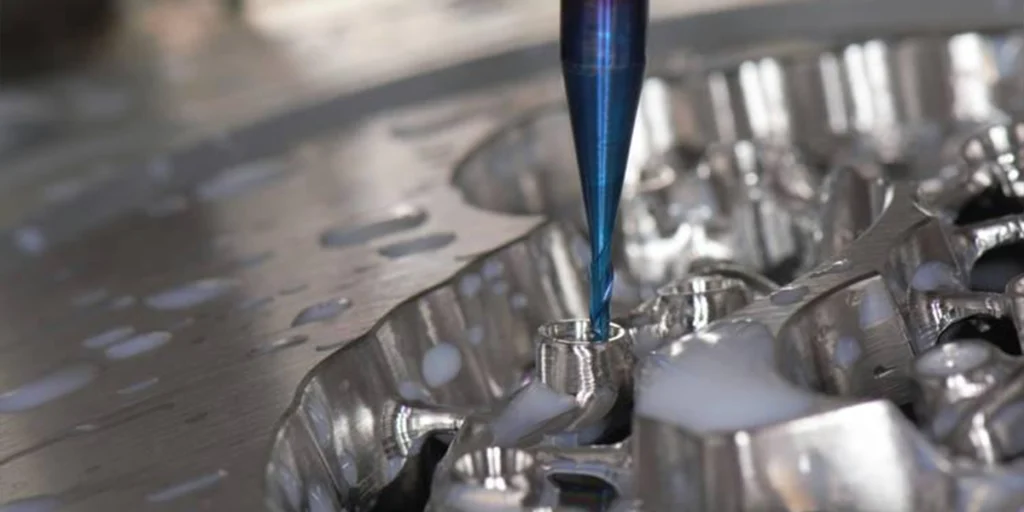
Therefore, high-pressure cooling systems are crucial in CNC machining of Inconel Alloy 625. High-pressure cooling not only reduces cutting temperature but also facilitates rapid chip removal, minimizing repeated chip friction against the workpiece surface.
For high-precision parts, many processing plants also adopt a staged processing strategy to reduce local heat concentration and thus improve dimensional stability.
At Zhuohua Hardware, we have long provided Inconel Alloy 625 CNC machining services to customers in the aerospace, energy equipment, and industrial systems sectors. For different Inconel Alloy parts, we will tailor our services according to:
- Material condition
- Structural complexity
- Tolerance requirements
- Surface treatment requirements
We developed specialized machining plans and combined 3-axis and 5-axis CNC milling and precision turning capabilities to ensure the machining stability and batch consistency of complex Inconel Alloy parts.

Typical applications of alloy 625
Because Inconel Alloy 625 combines corrosion resistance, high strength, and high-temperature stability, it is widely used in the manufacture of critical components for extreme working environments.
Many industries choose 625 alloy not because the material is “expensive,” but because ordinary metals cannot operate stably under complex conditions for extended periods. Therefore, in high-reliability projects, 625 alloy CNC-machined parts are typically core functional components.
Aircraft engines
Aerospace is one of the most important application areas for Inconel Alloy 625. Because aircraft engines operate under high temperature, high pressure, and high-speed vibration environments for extended periods, component materials must possess extremely high stability. 625 alloy maintains its mechanical strength under high-temperature conditions and is therefore frequently used in:
- Engine structural components
- Exhaust system components
- Turbine peripheral parts
- High-temperature connectors
These types of parts typically have complex curved surfaces and strict tolerances, so aerospace-grade Inconel Alloy machining is usually combined with 5-axis CNC machining and high-precision inspection systems to complete the manufacturing process.
Marine equipment
Seawater corrosion environments place extremely high demands on metallic materials, and Inconel Alloy 625 exhibits exceptional stability in resisting seawater corrosion, thus it is widely used in:
- Offshore platform systems
- Subsea connectors
- Pump and valve assemblies
- Heat exchange equipment
Compared to ordinary stainless steel, 625 alloy can significantly extend the service life of equipment and reduce long-term maintenance costs.
For marine-grade Inconel Alloy parts, in addition to dimensional accuracy, surface quality and corrosion resistance are equally important. Therefore, more stringent control over tool marks and surface defects is usually required during machining.
Chemical industry
Chemical equipment often needs to deal with acidic, high-temperature or highly corrosive media, so many critical systems use Inconel Alloy 625 CNC machined parts.
Common applications include:
- Chemical piping systems
- Reaction equipment components
- High-pressure seals
- Corrosion-resistant connectors
These types of parts typically require not only high precision but also long-term stability and reliability, making material quality, processing technology, and testing capabilities extremely critical.
For batch chemical parts projects, consistent machining is often more important than single-piece machining capabilities, which is why more and more international customers are choosing Chinese CNC machining suppliers with mature experience in Inconel Alloy machining.
How to choose a reliable 625 machining supplier
Inconel Alloy 625 is a typical high-difficulty material to machine, so not all CNC machining plants have the ability to produce it stably.
Many suppliers, while capable of processing ordinary steel or aluminum parts, often encounter problems when handling 625 alloy:
- Unstable tolerances
- Poor surface quality
- Excessive tool wear
- Insufficient batch consistency
Therefore, for high-value Inconel Alloy parts projects, it is crucial to select suppliers who have genuine experience in CNC machining of Inconel Alloys.
Equipment capabilities
Machining 625 alloy places high demands on the rigidity and stability of the equipment. This is especially true for projects involving complex structures or high-precision parts, where equipment capabilities directly impact performance.
- Surface roughness
- Dimensional stability
- Coaxiality
- Batch consistency
Professional Inconel Alloy processing suppliers typically need to possess the following:
- Multi-axis CNC milling capability
- Precision CNC turning capability
- Stable cooling system
- High-rigidity machining equipment
For complex parts, 5-axis CNC machining is often more advantageous because it can reduce repeated clamping and improve machining efficiency.
Case Studies
In Inconel Alloy machining, experience is often more important than the equipment itself. The cutting characteristics of different Inconel materials are not entirely the same, and different structural parts require different machining strategies.
Experienced suppliers are usually able to identify this in advance:
- Risk of thin-walled deformation
- Thermal stress problem
- Risk of tool wear
- Difficulties in deep cavity machining
DFM analysis and process optimization were completed before formal production.
For overseas clients, processing plants with experience in the aerospace, energy, or industrial equipment industries are usually more likely to ensure stable project delivery.
Quality control system
High-precision Inconel Alloy 625 CNC machining relies heavily on a stable quality management system. Professional suppliers typically establish a complete system:
- Incoming material inspection
- Process Inspection
- Size inspection
- Final quality verification process
This is to ensure that each batch of parts meets the requirements of the drawings.
At Zhuohua Hardware, we have long provided high-precision CNC machining services for Inconel Alloys to customers worldwide , including:
- Inconel Alloy 625
- Inconel 718
- Nickel 200
- Copper-Inconel Alloy
Our capabilities include:
- 3-axis and 5-axis CNC milling
- Precision CNC turning
- ±0.02mm accuracy control
- From small batch to mass production
- Complex Inconel Alloy parts
For high-temperature alloy projects, we will develop specialized process solutions based on material properties and part structure to improve processing stability, control manufacturing risks, and help customers shorten the overall delivery cycle.