


Nickel alloy CNC machining is commonly used to manufacture high-strength, highly corrosion-resistant, and high-temperature-resistant parts. These materials are widely used in aerospace, energy, medical, and high-performance electronics industries because ordinary metals struggle to maintain stable performance over long periods in extreme environments.
Compared to aluminum or ordinary stainless steel, nickel alloys are more difficult to machine, requiring higher standards for CNC equipment, cutting tools, process experience, and quality control. Therefore, for precision parts projects demanding high reliability, selecting a CNC machining supplier with experience in machining nickel alloys is crucial.
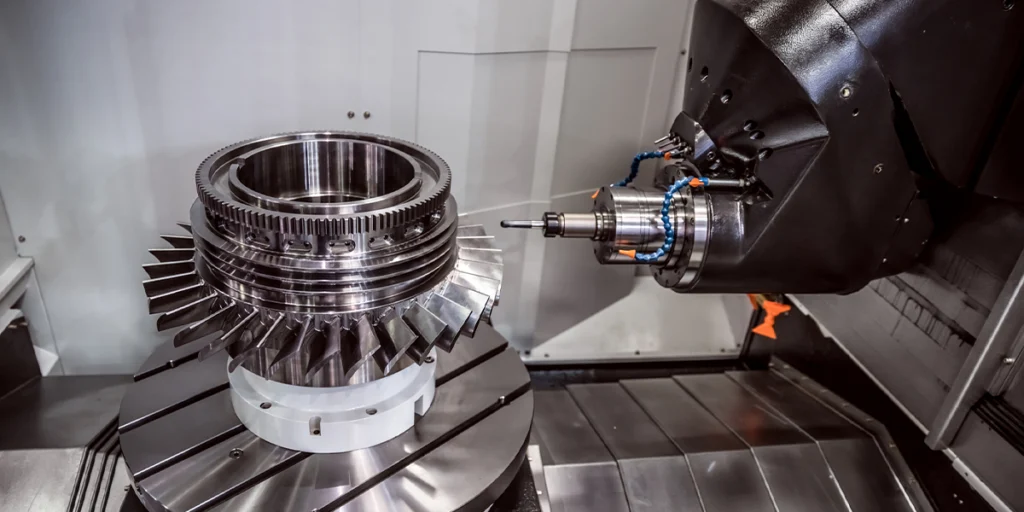
What is CNC machining of nickel alloys?
CNC machining of nickel alloys refers to the process of manufacturing nickel-based alloy materials with high precision using CNC milling, CNC turning, or multi-axis machining technologies.
Nickel alloys are often used in the manufacture of critical components in high-load, high-temperature, or high-pressure environments due to their excellent heat resistance, oxidation resistance, and corrosion resistance.
Typical CNC machined nickel alloy parts include:
- Aero – engine parts
- Turbine system components
- Precision medical components
- Oil and gas equipment
- Electronic heat dissipation structures .
- Industrial connectors and seals
Compared to common metals, nickel alloys are more prone to work hardening, tool wear, and thermal deformation during machining, thus requiring a more stable CNC machining process.
In actual production, specialized nickel alloy CNC machining is usually combined with:
- 3-axis and 5-axis CNC milling
- Precision CNC turning
- Customized clamps
- Toolpath optimization
- Online inspection and tolerance control
For complex structural parts, multi-axis CNC machining can reduce repeated clamping, thereby improving dimensional stability and surface quality.
Definition of nickel alloy
Nickel alloys are a class of high-performance engineering materials based on nickel and incorporating elements such as chromium, iron, molybdenum, copper, or titanium.
Different nickel alloys vary greatly in properties, but they generally share the following characteristics:
- High temperature resistance
- Corrosion resistant
- Antioxidant
- High mechanical strength
- High long-term stability
This is why CNC machining of nickel alloys is frequently used in high-end industrial fields, rather than just in ordinary machining.
For example:
- Inconel 718 is suitable for high-temperature aerospace structural components.
- Inconel 625 is commonly used in marine and chemical equipment.
- Nickel 200 is suitable for electronic and conductive applications.
- Copper-nickel alloys are widely used in marine environment equipment.
For CNC machining suppliers, different nickel alloys mean completely different cutting strategies and machining parameters.
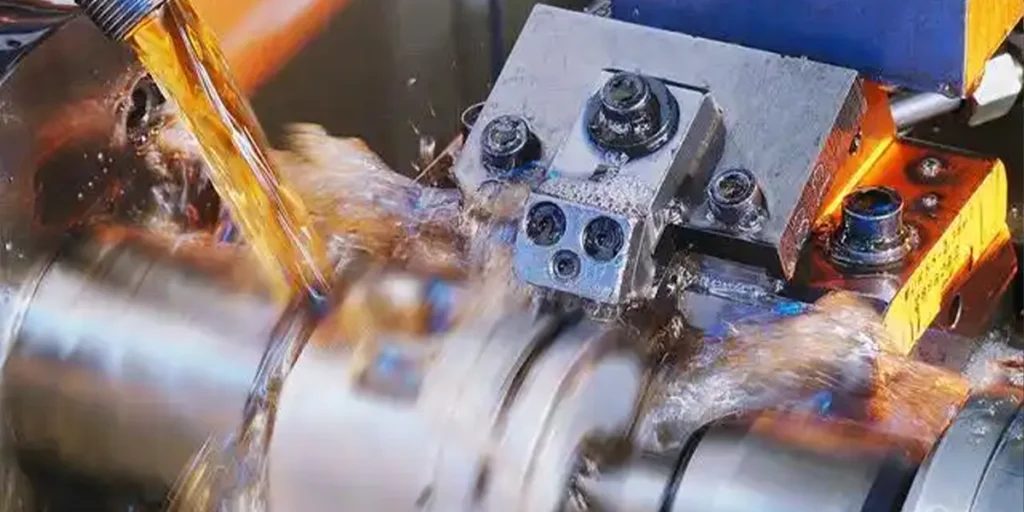
Why are nickel alloys difficult to machine?
Nickel alloys are considered among the most difficult metallic materials to machine. Many clients focus only on material properties at the beginning of a project, but in reality, the machining difficulty of nickel alloys often directly determines:
- Parts cost
- Delivery cycle
- Processing stability
- Batch consistency
The biggest challenges in CNC machining of nickel alloys come from the following aspects.
Severe work hardening
Nickel alloys tend to harden rapidly during machining. If cutting parameters are inappropriate, the material surface will become even harder, making subsequent machining more difficult and significantly increasing tool wear. This is why inexperienced machining plants often struggle to reliably machine high-temperature alloys such as Inconel 718.
Concentrated heat
Nickel alloys have low thermal conductivity. Heat generated during machining cannot dissipate quickly, and a large amount of heat concentrates in the cutting area, leading to:
- Overheating of the cutting tool
- Workpiece deformation
- Surface burns
- Size drift
Therefore, CNC machining of nickel alloys typically requires:
- High-performance cooling system
- Stable cutting parameters
- More stringent processing path control
The tool wears out quickly.
Nickel alloys wear out cutting tools faster than aluminum or low-carbon steel. Choosing the wrong cutting tool can not only affect surface finish but may also lead to:
- Increased burrs
- Tolerances out of tolerance
- Surface cracks
- Rising processing costs
Professional nickel alloy processing suppliers typically select based on the different materials:
- Coated carbide cutting tools
- Ceramic knives
- High-Temperature Dedicated Cutting Solution
Higher requirements for equipment stability
Machining nickel alloys requires CNC equipment with higher rigidity. Especially in complex parts or high-precision nickel alloy CNC machining projects, equipment stability directly impacts performance.
- Surface roughness
- Roundness
- Coaxiality
- Long-term batch consistency
At Zhuohua Hardware, we have a long history of providing CNC machining services for nickel alloys for aerospace, industrial equipment, and high-performance parts projects.
Our processing capabilities include:
- 3-axis and 5-axis CNC milling
- Precision CNC turning
- Machining accuracy ±0.02mm
- From small batch to mass production
- Custom machining of complex nickel alloy parts
For difficult-to-machine materials such as Inconel, Nickel 200, and copper-nickel alloys, we will develop specialized machining plans based on the part structure, material properties, and tolerance requirements to improve stability and reduce overall manufacturing risks.
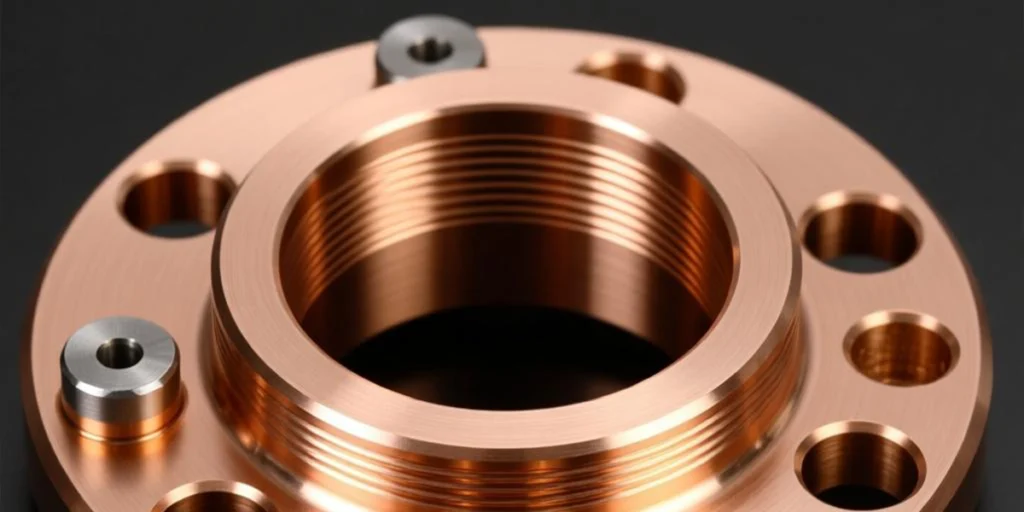
Common Nickel Alloy Material Types
Different nickel alloys possess varying mechanical properties, corrosion resistance, and machinability. In CNC machining projects involving nickel alloys, material selection typically depends on:
- Operating temperature
- Corrosive environments
- Strength requirements
- Electrical or thermal conductivity requirements
- Service life
For CNC machining suppliers, different nickel alloys mean different tooling strategies, machining parameters, and quality control methods.
Below are some of the most common nickel alloy CNC machining materials.
Nickel 200
Nickel 200 is a high-purity industrial-grade nickel material. It possesses excellent properties:
- Corrosion resistance
- Electrical conductivity
- Thermal conductivity
- Resistance to alkaline corrosion
Therefore, Nickel 200 is often used for:
- Electronic components
- Battery assemblies
- Food processing equipment
- Chemical systems
- Conductive structural components
From a machining perspective, Nickel 200 is easier to machine than the Inconel series, but due to its softer material, it is prone to tool sticking during CNC turning.
Therefore, Nickel 200 CNC machining typically requires:
- Sharper knives
- Stable cutting speed
- Appropriate cooling method
For high-precision Nickel 200 parts, surface roughness control is also crucial.
Inconel 625
Inconel 625 is one of the most common high-temperature nickel-based alloys. Its most prominent characteristic is:
- Extremely strong corrosion resistance
- Excellent antioxidant properties
- High stability in high-temperature environments
Therefore, Inconel 625 CNC machined parts are widely used in:
- Marine equipment
- Oil and gas systems
- Chemical equipment
- Aircraft engine components
However, 625 alloy is also a typical difficult-to-machine material.
In actual CNC machining, it is prone to the following problems:
- Work hardening
- Rapid tool wear
- Heat distortion
- Surface cracks
Therefore, professional nickel alloy processing suppliers typically use:
- Small-cut deep processing
- High-pressure cooling
- Multi-axis machining path optimization
- High-performance tooling systems
To ensure processing stability and dimensional accuracy.
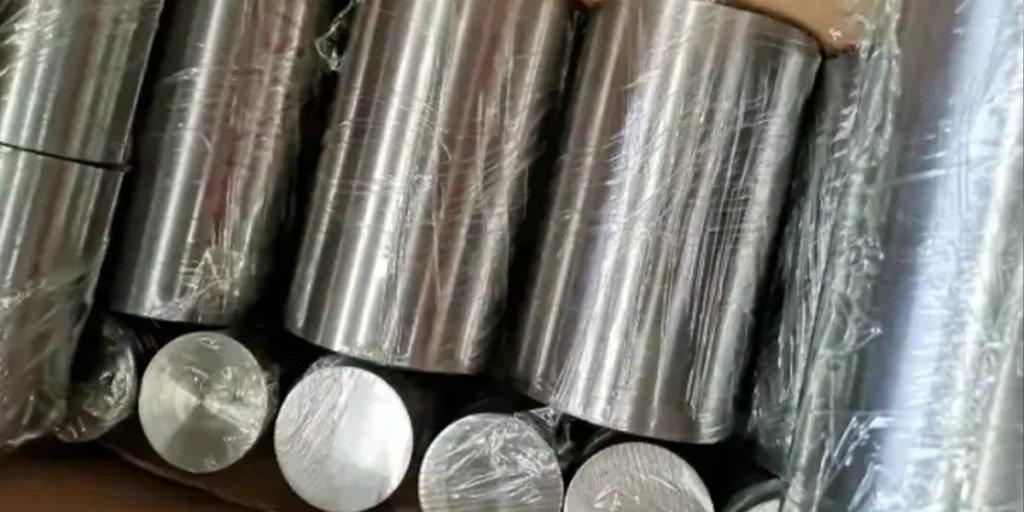
Inconel 718
Inconel 718 is one of the most important nickel-based superalloys in the aerospace industry. It features:
- Extremely high strength
- Excellent fatigue resistance
- High-temperature mechanical stability
Therefore, 718 alloy is often used for:
- Turbine disks
- Aircraft engine structural components
- High -temperature fasteners
- Core components of energy equipment
Compared to 625, Inconel 718 is more difficult to process.
Especially in high-precision CNC machining projects, it is often necessary to solve the following problems:
- Thermal stress deformation
- Dimensional stability
- Minimal tolerance control
For complex 718 parts, 5-axis CNC machining is often more advantageous because it reduces the number of setups and improves the machining consistency of complex surfaces. In high-end nickel alloy CNC machining projects, experience with the 718 material is often more important than the equipment itself.
Copper-nickel alloy
Copper-nickel alloys combine the thermal conductivity of copper with the corrosion resistance of nickel. These materials exhibit excellent stability in seawater environments and are therefore frequently used in:
- Marine equipment
- Heat exchangers
- Ship systems
- Cooling system components
Copper-nickel alloys generally have better machinability than the Inconel series, but some precautions still need to be taken in precision machining:
- Burr control
- Surface uniformity
- Thermal deformation problem
For thin-walled copper-nickel parts, proper fixture design is very important.
Otherwise, the following may occur during CNC machining:
- Deformation
- Vibrating knife
- Surface ripples
Professional nickel alloy CNC machining suppliers typically conduct DFM analysis before machining to optimize machining plans and reduce production risks in advance.
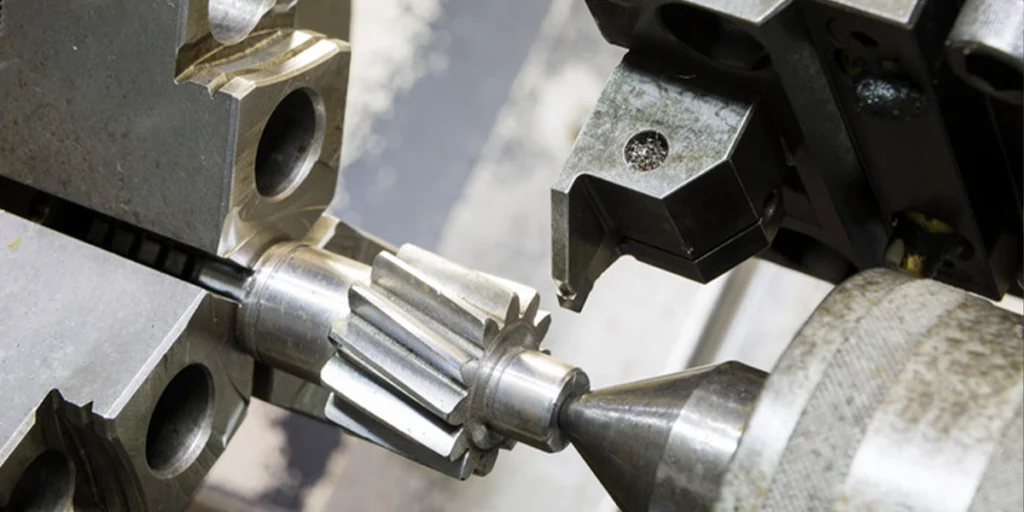
Which industries are suitable for CNC machining of nickel alloys?
CNC machining of nickel alloys is typically used in industries with extremely high requirements for strength, corrosion resistance, and high-temperature stability. Compared to common metallic materials, nickel-based alloys can maintain stable performance over long periods under extreme working conditions, thus occupying an important position in high-end industrial manufacturing.
For many engineering projects, the material itself is only the foundation; the more crucial aspects are the dimensional stability, surface quality, and long-term reliability after machining. This is why more and more companies are choosing professional CNC machining suppliers with experience in nickel alloy processing.
Aerospace
The aerospace industry is one of the core application areas for CNC machining of nickel alloys. High-temperature nickel alloys like Inconel 718 and Inconel 625 are frequently used in the manufacture of:
- Engine structural components
- Turbine system components
- High-temperature fasteners
- Fuel system components
These types of parts typically need to meet the following requirements simultaneously:
- High strength
- Lightweight
- High temperature stability
- Long service life
Therefore, the machining of aerospace nickel alloys requires not only high precision but also long-term batch consistency. For complex curved surfaces or high-precision structural parts, 5-axis CNC machining is often a more stable solution.
Energy and Oil & Gas
In the energy and oil and gas industry, equipment operates under high pressure, high temperature and strong corrosion for a long time, so ordinary steel often cannot meet the requirements.
CNC machined nickel alloy parts are commonly used for:
- Valve system
- Pump assembly
- Subsea equipment
- Heat exchange system
- Turbine power equipment
Especially in marine environments, the excellent corrosion resistance of nickel alloys can significantly extend equipment life and reduce maintenance costs.
For these types of industrial projects, processing stability is often more important than simply offering the lowest price. When switching suppliers, many customers are truly concerned with whether parts can be delivered reliably over the long term and whether consistent processing quality can be maintained.
Medical equipment
The medical industry has extremely high requirements for precision nickel alloy machining. Some nickel-based materials possess excellent corrosion resistance and biocompatibility, and are therefore commonly used in:
- Medical instrument components
- Surgical equipment parts
- Precision connectors
- Customized medical structural components
These types of parts are usually small in size, but have strict tolerance requirements, and many details involve the machining of tiny features.
Therefore, CNC machining of medical nickel alloys requires not only high-precision equipment but also stable process control capabilities, including:
- Tool wear control
- Burr removal
- Surface roughness control
- Batch consistency management
For clients in the healthcare industry, a stable quality control process is often more important than a single quote.
Electronics and high-performance CPU components
With the development of high-performance electronic devices, nickel alloy processing is increasingly being applied to electronic heat dissipation and precision structures. For example:
- CPU cooling system
- Nickel -plated electronic components
- High thermal conductivity connectors
- Precision shielding components
Some high-performance CPU components are nickel-plated to improve performance.
- Corrosion resistance
- Surface stability
- Thermal conductivity
- Long-term reliability
These electronic components are typically complex in structure, small in size, and have strict tolerances, thus requiring high CNC machining capabilities. In actual production, stable fixture design, micro-tool control, and multi-axis machining capabilities all directly affect the final yield.
For projects in the electronics industry, many clients are more concerned with whether suppliers have the ability to process complex and precision parts stably over a long period of time, rather than just the quality of a single sample.
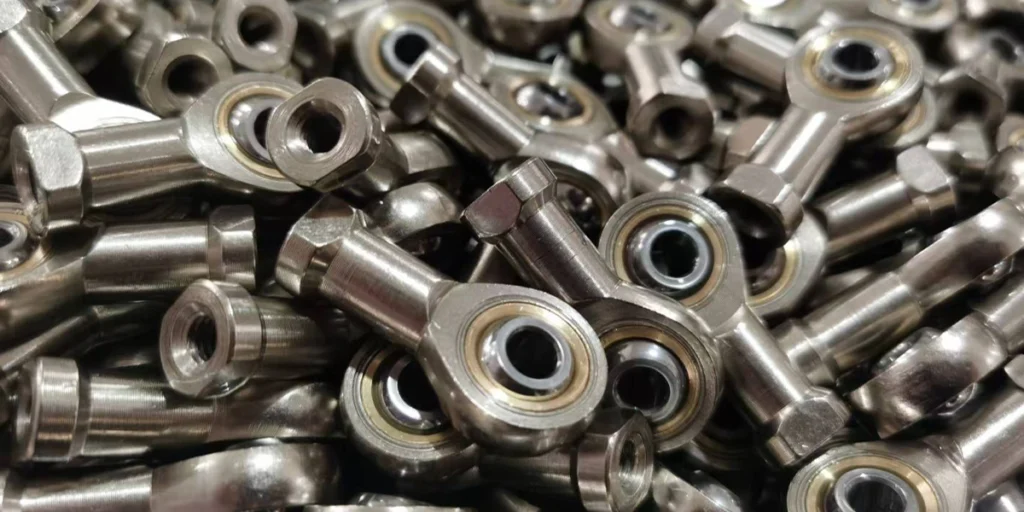
Why is a professional supplier needed for nickel alloy processing?
Machining nickel alloys is not as simple as “ordinary CNC machining with a different material.” Due to the high strength, high heat resistance, and severe work hardening properties of nickel-based alloys, it places significantly higher demands on equipment, cutting tools, process experience, and quality control.
Many ordinary processing plants can attempt to process nickel alloys, but in the actual mass production stage, they often encounter the following problems:
- Short tool life
- Unstable tolerances
- Inconsistent surface quality
- Processing efficiency is too low
- Decreased batch yield
Therefore, for high-value nickel alloy parts projects, choosing a professional nickel alloy CNC machining supplier can usually effectively reduce the overall manufacturing risk.
Tool wear problem
Nickel alloys significantly accelerate tool wear. Especially when machining high-temperature alloys like Inconel 718, improper cutting parameters can cause tools to fail rapidly within a short period.
Tool wear not only increases machining costs, but also directly affects:
- Dimensional accuracy
- Surface roughness
- Parts consistency
Professional nickel alloy machining suppliers typically select different options based on the material type, part structure, and machining location:
- Tool coating
- Cutting speed
- Feed parameters
- Cooling method
This is to ensure a balance between machining stability and tool life.
Processing heat control
Heat control is one of the core issues in CNC machining of nickel alloys. Due to the low thermal conductivity of nickel alloys, the heat generated during cutting concentrates in the contact area between the tool and the workpiece, which can easily lead to:
- Heat distortion
- Size drift
- Surface burns
- Chipped edge of the knife
Especially in the machining of high-precision nickel alloy parts, thermal control capability often directly determines the final yield.
Therefore, specialized processing plants typically adopt the following:
- High-pressure cooling system
- Segmented processing strategy
- Multi-axis machining optimization path
- Stabilizing clamp system
This reduces the impact of heat buildup on components.
Dimensional stability requirements
Nickel alloy parts are typically used in high-reliability industries, so customers have very strict requirements for dimensional stability. This is especially true in the aerospace, energy, and medical industries, where many parts not only require individual piece conformity but also long-term batch consistency.
This means that suppliers must not only have equipment capabilities, but also mature process management capabilities.
In actual production, factors affecting dimensional stability include:
- Equipment rigidity
- Tool wear variation
- Clamping method
- Thermal deformation control
- Processing path design
For complex nickel alloy structural parts, reducing the number of clamping operations is often the key to improving stability, which is why 5-axis CNC machining is becoming increasingly common in high-end projects.
At Zhuohua Hardware, we have long provided CNC machining services for nickel alloys, including:
- CNC milling of nickel alloys
- Precision CNC turning
- Machining of complex multi-axis parts
- Small batch and mass production
For different nickel-based materials, we will develop customized processing solutions based on the part structure, tolerance requirements, and final application environment to improve processing stability and reduce customer project risks.
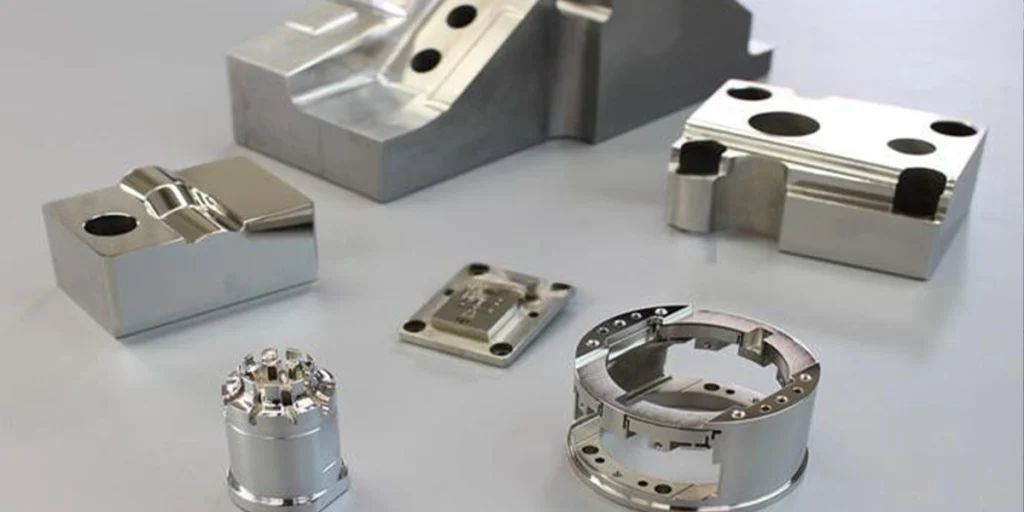
Our nickel alloy CNC machining capabilities
Nickel alloy processing requires very high levels of equipment stability, process experience, and quality control. Therefore, many high-performance parts projects tend to choose suppliers with extensive experience in processing nickel-based materials.
At Zhuohua Hardware, we have a long history of providing nickel alloy CNC machining services for aerospace , industrial equipment , electronics, and high-performance structural components projects , supporting everything from rapid prototyping to mass production.
Our processable nickel-based materials include:
- Inconel 625
- Inconel 718
- Nickel 200
- Copper-nickel alloy
- Other high-temperature nickel-based alloys
Simultaneously supports:
- CNC milling
- CNC turning
- Multi-axis complex machining
- Custom precision parts manufacturing
High-precision machining
Nickel alloy parts typically have stricter tolerance requirements, so stable machining accuracy is crucial.
Our CNC machining capabilities for nickel alloys can reach:
- ±0.02mm accuracy
- High surface quality control
- Processing of small, complex features
- Batch consistency control
For high-precision parts, we will combine:
- Online testing
- Process optimization
- Tool life management
- Stable clamp design
To improve long-term production stability.
Multi-axis CNC equipment
Complex nickel alloy parts typically require multi-axis machining capabilities. Compared to traditional 3-axis machining, 5-axis CNC machining can:
- Reduce the number of clamping operations
- Improve the accuracy of complex curved surfaces
- Reduce human error
- Improve processing efficiency
For aerospace and high-performance industrial parts, multi-axis machining can often significantly improve dimensional consistency and surface quality.
Our processing capabilities include:
- 3-axis CNC milling
- 3+2 axis machining
- 5-axis CNC machining
- Precision CNC turning
It can support the manufacturing of nickel alloy parts with complex structures.
Customization capabilities for complex parts
Many nickel alloy machining projects do not produce standardized parts, but rather custom-made high-performance structural components. Therefore, suppliers need not only machining capabilities but also engineering support capabilities.
We support:
- Processing according to drawings
- OEM/ODM projects
- Small-batch trial production
- Mass production
- DFM manufacturability analysis
For complex nickel alloy parts, we assist clients in optimizing the process at the beginning of the project:
- Processing structure
- Tolerance design
- Material utilization rate
- Processing path
This helps customers reduce overall manufacturing costs and improve project stability.