


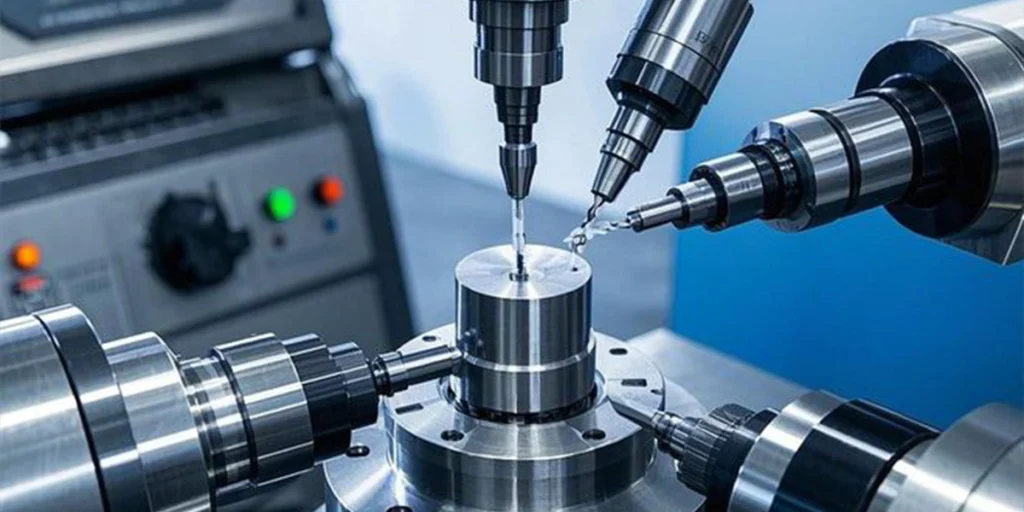
Low-carbon steel and high-carbon steel are the two most common types of carbon steel materials used in industrial manufacturing. For purchasing personnel, product engineers, and mechanical design teams, choosing the right steel not only affects the performance of parts but also directly impacts CNC machining costs, delivery time, and subsequent surface treatment solutions.
In actual CNC machining projects, we have found that many customers focus more on “strength” during the material selection stage, but overlook the impact of “machinability” on the overall manufacturing cost. Especially in batch CNC machining, material hardness, cutting stability, and tool wear all significantly affect the final quote.
As a manufacturer that has long provided CNC machining services for low-carbon steel , we usually help customers make a more reasonable choice between low-carbon steel, medium-carbon steel, and high-carbon steel based on the purpose of the parts, the complexity of the structure, and the batch requirements.
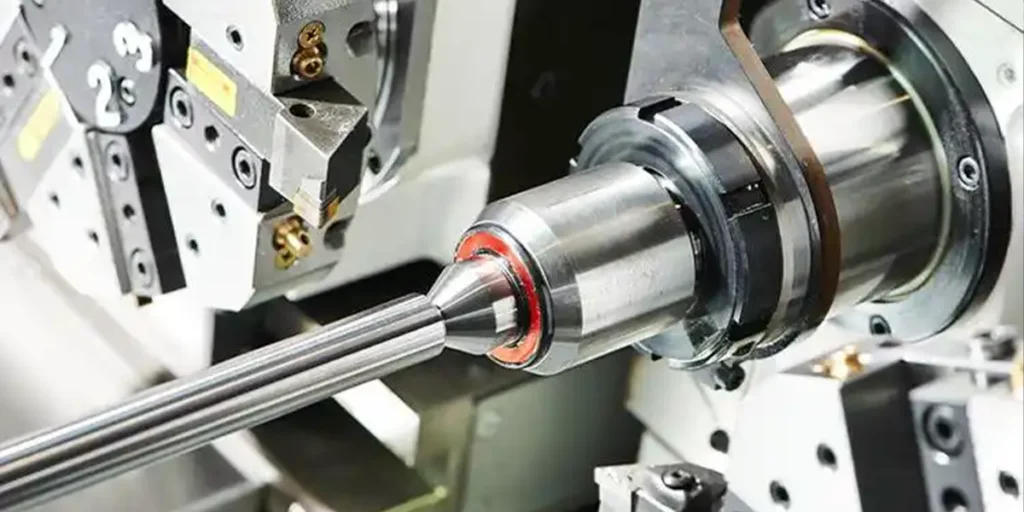
Are high medium or low carbon steels easiest to machine?
From a CNC machining perspective, low-carbon steel is usually the easiest of the three to machine.
This is because low-carbon steel has a lower carbon content, typically controlled between 0.05% and 0.25%, resulting in relatively lower material hardness and greater stability during cutting. For processes such as CNC turning, milling, drilling, and tapping, low-carbon steel provides better cutting consistency and reduces tool wear.
In comparison, medium carbon steel has higher strength, but its cutting resistance is also significantly increased. High carbon steel, due to its higher hardness, is more prone to generating heat and tool wear during machining, and therefore typically requires lower cutting speeds and more stable machining parameters.
For mass production of parts, increased machining difficulty means:
- Higher tooling costs
- Longer processing time
- More frequent tool changes
- Higher risk of scrap
This is why many industrial structural components, support components, and general mechanical parts prioritize low-carbon steel materials such as 1018, 1117, or 12L15.
In our actual low-carbon steel CNC machining projects, low-carbon steel is particularly suitable for:
- CNC turning parts
- Precision shaft parts
- Threaded assembly
- Structural components of automated equipment
- Large-volume OEM processing projects
For projects that need to balance cost, processing efficiency, and structural strength, low-carbon steel is usually the most balanced choice.
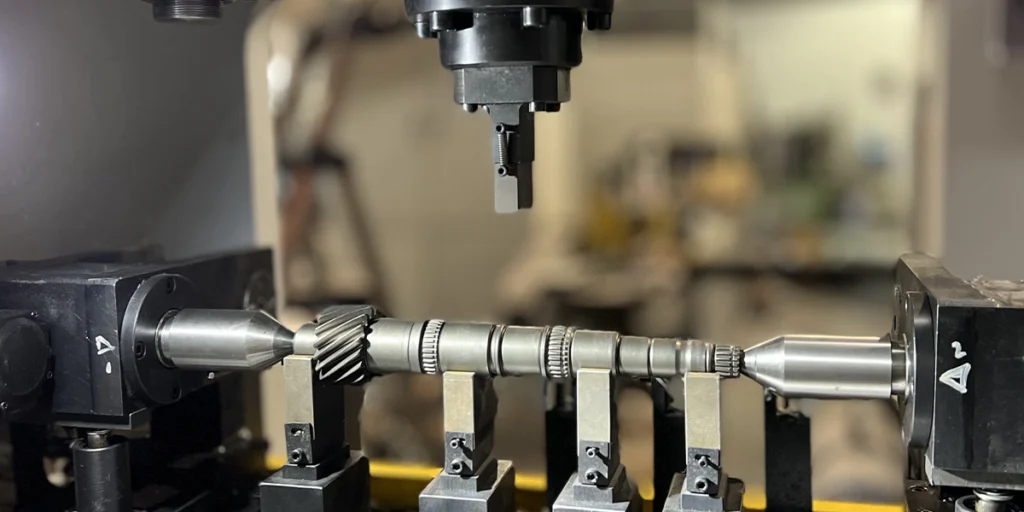
What’s the difference between high and low-carbon steel?
Although both high-carbon steel and low-carbon steel belong to the category of carbon steel, they differ significantly in hardness, machinability, and applications. Understanding these differences is crucial for mechanical parts manufacturing, helping engineering teams select materials more accurately and avoid unnecessary processing costs.
Hardness
High-carbon steel typically has a carbon content exceeding 0.6%, resulting in higher hardness and strength. This type of material can achieve better wear resistance after heat treatment, and is therefore commonly used in cutting tools, molds, and high-load-bearing parts.
Low-carbon steel is softer and has relatively lower strength, but it has better ductility and processing stability.
For CNC machining, higher hardness means:
- Higher cutting resistance
- Faster tool wear
- More stringent processing parameter requirements
Therefore, high-carbon steel usually increases the overall manufacturing cost.
Cutting performance
Low-carbon steel exhibits significantly better machinability than high-carbon steel. During CNC turning and milling, low-carbon steel provides a more stable cutting environment while reducing built-up edge and machining vibration. This is why many automated lathe machining projects utilize free-machining low-carbon steels such as 12L15.
High-carbon steel is harder and generates heat more easily during high-speed machining, especially in complex contour machining or deep cavity milling, which places higher demands on equipment rigidity and tool performance.
For customers looking to reduce processing costs and shorten delivery times, low-carbon steel is generally more suitable for mass precision machining.
As a professional CNC machining service provider for low-carbon steel, we typically help our clients optimize material solutions based on part structure, dimensional tolerances, and annual procurement volume to reduce overall manufacturing costs.
Abrasion resistance
One of the biggest advantages of high-carbon steel is its wear resistance. High-carbon steel parts typically have a longer service life under prolonged friction, high loads, or impact conditions. Therefore, gears, cutting tools, and other high-wear industrial components increasingly utilize high-carbon steel.
Although low carbon steel has low wear resistance, its surface properties can be improved through post-treatment processes such as surface hardening, carburizing, or coating.
For many industrial parts, it is unnecessary to use high-carbon steel for the entire part. A more common and economical solution is:
- Use low-carbon steel for main body machining
- Further surface treatment enhances wear resistance.
This approach can usually achieve both goals simultaneously:
- CNC machining efficiency
- Parts cost
- Structural strength
- Service life
This is also a very common processing approach in modern OEM mechanical parts manufacturing.
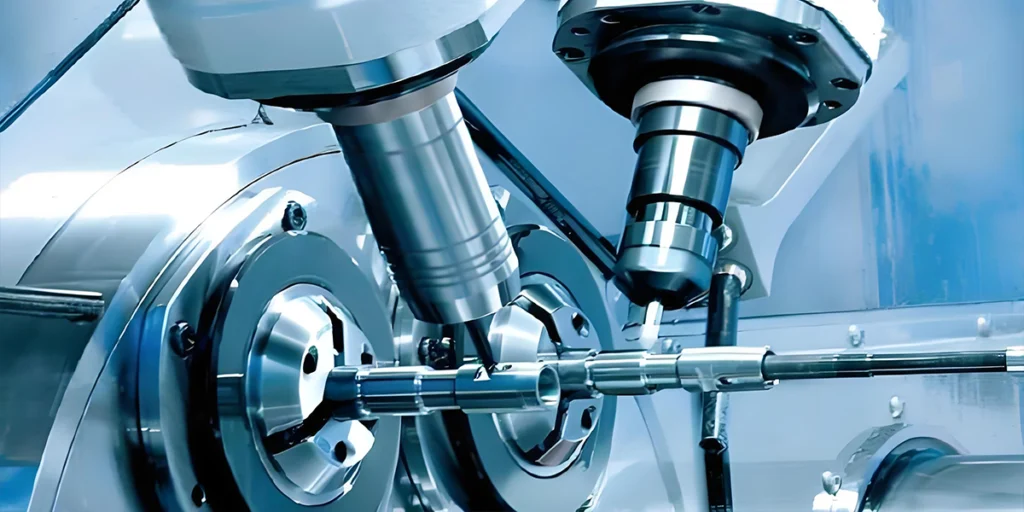
Which is better carbon steel or stainless steel?
In the manufacture of mechanical parts, both carbon steel and stainless steel are widely used in CNC machining projects. However, for procurement teams, there is no standard answer to “which is better.” The key factors are the actual application environment of the parts, the budget, and the performance requirements.
In many industrial projects, we help clients choose between low-carbon steel and stainless steel, as the two have a direct impact:
- CNC machining cost
- Delivery time
- Surface treatment solutions
- Service life
- Mass production stability
Cost comparison
From a raw material perspective, low-carbon steel is generally more economical than stainless steel. Common materials such as 1018 and 1117 low-carbon steel have stable supplies in the global supply chain, making them very suitable.
- Mass production of mechanical parts
- OEM CNC machining projects
- Industrial structural components
- Automated equipment components
In comparison, stainless steel raw materials are more expensive, and processing costs are also higher.
This is because stainless steel typically has the following properties:
- Higher cutting resistance
- Lower thermal conductivity
- More pronounced work hardening
This will lead to:
- Decreased tool life
- Increased processing time
- Overall manufacturing costs increased
For many parts that do not need to be exposed to humid or corrosive environments for extended periods, low-carbon steel often offers better value for money.
Therefore, in many low-carbon steel CNC machining projects, customers prefer to replace stainless steel solutions with surface treatments such as galvanizing, powder coating, or black anodizing to reduce overall costs.
Corrosion resistance comparison
Stainless steel typically offers a significant advantage if parts need to be exposed to moisture, chemical corrosion, or outdoor environments for extended periods.
Chromium in stainless steel can form a natural oxide layer, thereby improving the material’s corrosion resistance. This is why food processing equipment, medical parts, and marine equipment tend to use 304 or 316 stainless steel.
Although low-carbon steel is prone to rust, this does not mean it is unsuitable for industrial manufacturing. In a large number of industrial equipment applications, low-carbon steel remains one of the most common materials because it can achieve good rust resistance through post-treatment processes, such as:
- Zinc plating
- Electrophoresis
- Anodizing
- Powder coating
- Nickel plating
For indoor industrial environments or non-long-term exposure scenarios, this type of solution is usually sufficient.
As a supplier of low-carbon steel processing, we often recommend more reasonable surface treatment solutions based on the actual usage environment of our customers’ parts, rather than directly adding high-cost stainless steel materials.
Comparison of processing efficiency
From a CNC machining efficiency perspective, low-carbon steel is generally superior to stainless steel. Low-carbon steel exhibits more stable cutting properties and is more suitable for:
- High-speed turning
- Automated batch processing
- Deep hole machining
- Thread machining
At the same time, low-carbon steel tools wear less, making it easier to control costs in long-term mass production.
Stainless steel is more prone to this:
- Work hardening
- Sticky knife
- Severe fever
- Surface tear
Therefore, stainless steel processing typically requires:
- Higher grade knives
- More stringent cutting parameters
- Slower processing speed
This is why many customers prioritize low-carbon steel CNC machining solutions when purchasing OEM mechanical parts.
For projects that prioritize processing efficiency and cost control, low-carbon steel is often a more realistic choice.
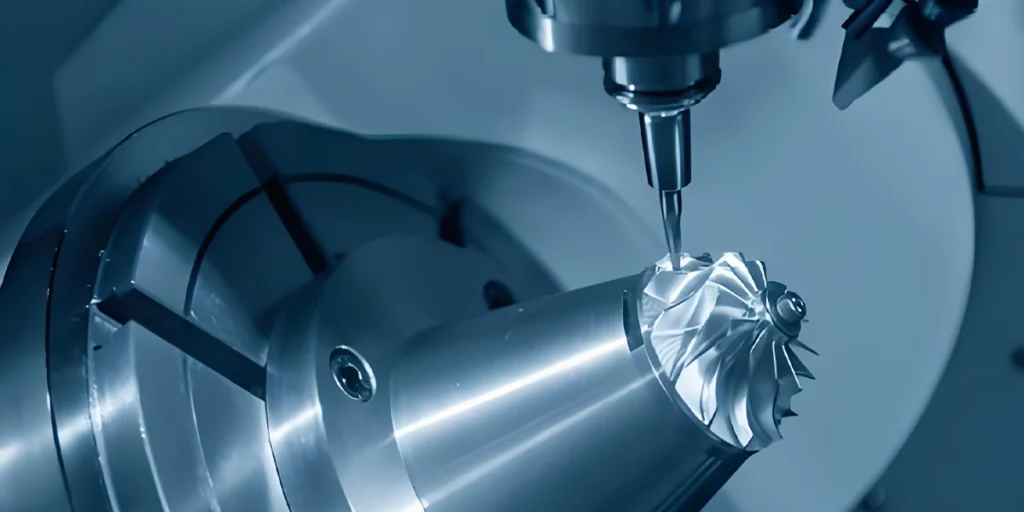
Why is low-carbon steel more machinable?
The core reason why low-carbon steel has become one of the most common CNC machining materials is its excellent machinability.
In actual manufacturing processes, “machinability” not only means that the material is easy to cut, but also includes:
- Tool life
- Cutting stability
- Surface quality
- Processing speed
- Size consistency
Low-carbon steel typically exhibits better overall performance in these aspects.
Compared to high-carbon steel and some stainless steel materials, low-carbon steel has lower hardness and better ductility, thus reducing vibration and machining stress during CNC turning and milling.
This is especially important for the following types of parts:
- Precision shaft parts
- Thin-walled structural components
- Long parts
- Mass production of automatic lathe parts
For example, 1018 low-carbon steel is a typical general-purpose machining material, suitable for manufacturing a large number of mechanical parts. 12L15 low-carbon steel, due to the addition of free-machining elements, is more suitable for high-speed automated machining.
In mass production, better manufacturability means:
- Faster production cycle
- Lower tool consumption
- More stable dimensional tolerances
- Lower overall manufacturing costs
This is why many OEMs prioritize CNC machining of low-carbon steel for mechanical parts.
As a professional CNC machining supplier, we typically base our low-carbon steel machining projects on:
- Component structure
- Surface roughness requirements
- Tolerance Standards
- Annual procurement volume
This helps optimize cutting parameters and machining processes, thereby helping customers reduce long-term procurement costs.
For projects that are concerned with both cost and production stability, low-carbon steel remains one of the most competitive processing materials.
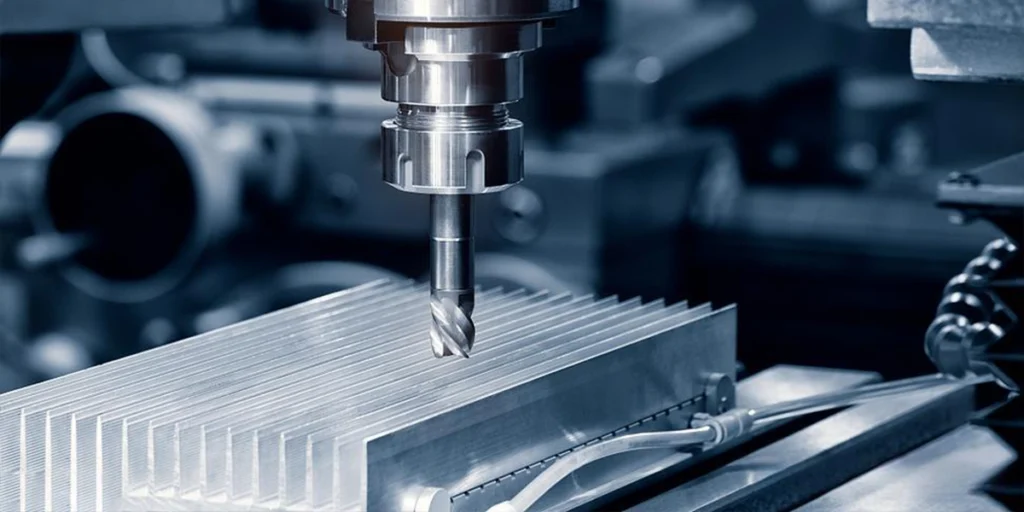
How to select steel based on the intended use of parts
In actual CNC machining projects, selecting steel is not simply a matter of “the higher the strength, the better.” For procurement teams and product engineers, it is more important to find a balance between performance, processing costs, delivery time, and the usage environment.
Many parts are designed with high-strength materials by default, but customers often find that after mass production begins:
- Processing costs have increased significantly
- Tool wear is too rapid
- Delivery time has increased.
- Surface treatment is more complex
Therefore, professional CNC machining suppliers usually recommend materials based on the intended use of the parts, rather than simply pursuing high hardness.
Structural components and general mechanical parts
For most industrial structural components, supports, connectors, and equipment housings, low-carbon steel is usually a more reasonable choice.
These types of parts usually have more to do with:
- Processing stability
- Welding performance
- Batch cost
- Size consistency
Therefore, materials such as 1018 low-carbon steel and 1117 low-carbon steel are very common in OEM mechanical parts manufacturing.
Especially in high-volume CNC turning and milling projects, low-carbon steel can effectively reduce overall manufacturing costs while maintaining stable mechanical properties.
For automated equipment, robot components, and industrial machinery structural parts, low-carbon steel is usually sufficient to meet most application requirements.
High wear parts
High-carbon steel is generally more suitable for parts that need to withstand friction, impact, or high-load environments for extended periods. For example:
- Gears
- Knives
- Industrial molds
- High wear-resistant transmission components
These types of parts typically require higher hardness and wear resistance, so high-carbon steel or heat-treated steel would be more suitable.
However, it’s important to note that high-carbon steel is more difficult to machine. In actual CNC machining processes, the difficulty increases significantly with the use of high-hardness materials.
- Tool wear
- Processing heat
- Difficulty in size control
Therefore, many customers will choose the more economical solution:
- Use low-carbon steel to process the main body
- Then perform carburizing or surface hardening treatment.
This approach typically achieves a better balance between performance and cost.
Humid and corrosive environments
Stainless steel is often a safer choice if parts need to be exposed to moisture, chemical corrosion, or outdoor environments for extended periods.
Especially the following industries:
- Food processing equipment
- Medical equipment
- Marine equipment
- Chemical equipment
304 and 316 stainless steel are widely used in these fields.
However, for many ordinary industrial environments, low-carbon steel combined with appropriate surface treatment is usually sufficient. For example:
- Zinc plating
- Black Oxidation
- Powder spraying
- Nickel plating
These processes can significantly improve the rust resistance of low-carbon steel parts while avoiding the high processing costs associated with stainless steel.
Therefore, in many OEM CNC machining projects, customers will ultimately still choose low-carbon steel machining solutions.
Mass production projects
For large-volume parts purchased in a long-term and stable manner, machinability is often more important than ultimate performance.
Easier-to-process materials mean:
- Lower manufacturing costs
- Faster delivery time
- More stable quality
- Higher productivity
This is why CNC machining of low-carbon steel has always had a very large demand in the global manufacturing industry.
A CNC machining supplier serving European and American industrial clients for many years , we typically assist clients with material evaluation at the beginning of a project, helping them in:
- Component performance
- Production costs
- Processing efficiency
- Surface treatment
- Batch stability
Find the most reasonable solution among them.
For most industrial machinery parts, choosing the right materials is often more important than simply upgrading the material grade.