


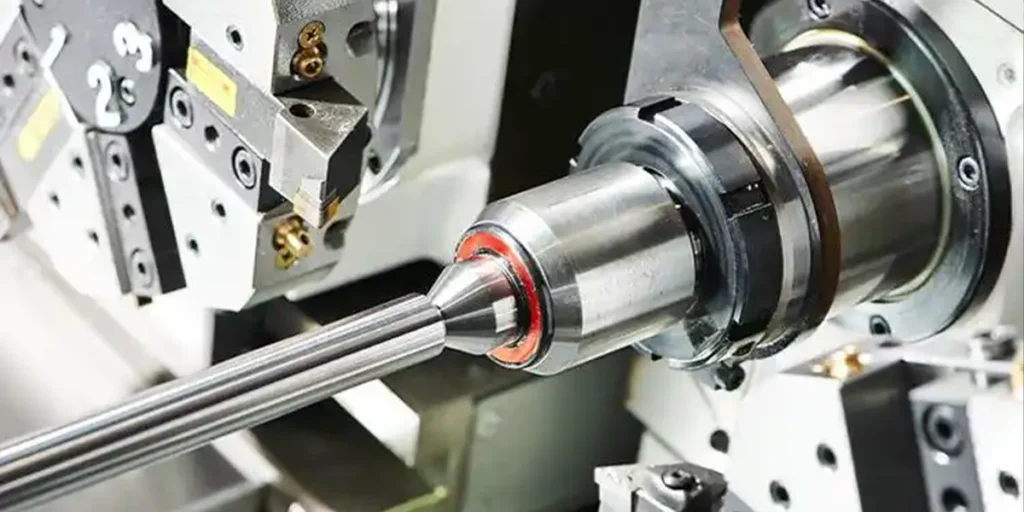
Overview of CNC machining of low carbon steel
CNC machining of low-carbon steel is a processing method that uses CNC lathes, CNC milling machines, and machining centers to perform high-precision cutting, forming, and mass production of low-carbon steel materials. Due to its good plasticity, toughness, and high machinability, low-carbon steel has long been used to manufacture shaft parts, brackets, connectors, mechanical structural parts, and various industrial components.
In the industrial manufacturing sector, low-carbon steel typically refers to carbon steel materials with a carbon content of less than 0.25%. Compared to high-carbon steel or some alloy steels, low-carbon steel is easier to process and has lower material costs, making it one of the most common materials in machinery manufacturing, automobiles, automated equipment, and general industrial parts.
For professional low carbon steel CNC machining service providers, the real challenge is not just “being able to machine,” but how to ensure quality during mass production:
- Dimensional accuracy
- Surface quality
- Parts consistency
- Processing efficiency
- Cost stability
This is why CNC machining of low-carbon steel is highly dependent on process experience.
Although low-carbon steel has good machinability, it is also prone to problems such as built-up edge, burrs, long chips, and localized deformation during machining. If the cutting parameters, tool selection, or cooling method are not properly controlled, it will ultimately directly affect the surface roughness and assembly accuracy of the parts.
Therefore, mature low carbon steel CNC machining usually combines:
- Suitable tool materials
- Stable cutting parameters
- High-efficiency chip removal solution
- Appropriate clamping method
- Finishing allowance control
This is to ensure consistent component quality.
In actual production, different equipment will meet the processing requirements of different types of low-carbon steel parts:
CNC turning
CNC lathes are mainly used for machining shafts, threaded parts, sleeves, and various rotating parts. For mass production of low-carbon steel parts, CNC turning can achieve very high machining efficiency and dimensional consistency.
CNC milling
CNC milling is better suited for complex structural parts, planes, slots, and multi-faceted machining parts. Three-axis and five-axis machining can further enhance the machining capabilities of complex low-carbon steel parts.
Machining Center
Machining centers are suitable for multi-process centralized processing, which can reduce errors caused by repeated clamping and improve the production efficiency of complex low-carbon steel parts.
low carbon steel CNC machining services to global clients , including:
- CNC turning
- CNC milling
- Multi-process processing
- Precision tapping
- Surface treatment accessories
We can process various low-carbon steel materials such as 1018, 1117, and 12L15, and support everything from rapid prototyping to mass production. With our mature process experience and stable supply chain, we can help customers optimize manufacturing costs and delivery cycles while ensuring processing accuracy.
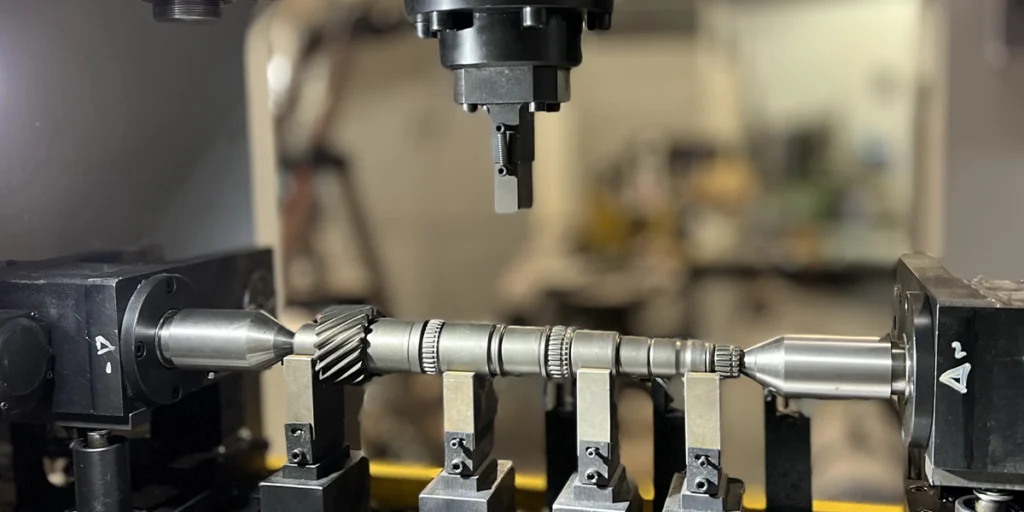
How to select steel for low carbon steel processing
In CNC machining of low-carbon steel, material selection not only affects the strength of the parts, but also directly affects machining efficiency, surface quality, tool life and overall manufacturing cost.
Many clients focus only on material prices at the beginning of a project, but for professional low carbon steel CNC machining suppliers, what’s more important is:
- Is the material suitable for the current processing technology?
- Is it suitable for mass production?
- Is dimensional stability easy to control?
- Will it increase the difficulty of subsequent surface treatment?
Different types of low-carbon steel exhibit significant differences in machinability, plasticity, strength, and weldability. Therefore, when selecting low-carbon steel for machining, a comprehensive evaluation is usually required, taking into account the part structure, application environment, and production method.
1018 vs 1117 Low carbon steel
1018 low-carbon steel is one of the most common low-carbon steel materials, possessing good strength, toughness, and weldability. It is widely used in shaft parts, mechanical structural components, industrial supports, and general CNC machined parts.
For most low carbon steel CNC machining projects, 1018 steel can achieve a good balance between cost, machinability and mechanical properties, making it very suitable for medium to large-scale mass production.
1117 low-carbon steel is a type of low-carbon steel with a higher manganese content. Compared to 1018, it has better strength and more stable cutting performance. Because of its more stable cutting response, 1117 steel is widely used in high-precision CNC turning and automated machining.
In actual manufacturing:
- 1018 is more suitable for general mechanical parts
- 1117 is more suitable for high-precision shafts and batch-machined parts.
For projects requiring subsequent heat treatment or higher mechanical properties, 1117 is often the more common choice.
Professional low-carbon steel processing service providers typically base their decisions on:
- Part dimensions
- Tolerance requirements
- Surface roughness
- Production quantity
- Subsequent processing techniques
To help customers choose more suitable materials, rather than simply recommending the “cheapest” steel.
12L15 free-cutting steel
12L15 is a typical free-machining low-carbon steel with added free-machining elements such as lead, thus possessing excellent machinability.
In high-speed CNC turning, 12L15 can effectively reduce:
- Cutting resistance
- Tool wear
- Burrs are generated.
- Processing vibration
Therefore, it is very suitable for:
- Precision-machined parts
- Threaded parts
- Connector-type parts
- Mass production using automatic lathes
Compared to ordinary low-carbon steel, 12L15 can significantly improve processing efficiency and achieve better surface finish.
However, 12L15 also has certain limitations. Due to its material composition, it is not suitable for welding, and it is not as stable as 1018 or 1117 in some high-strength structural applications. Therefore, during the material selection stage, an evaluation must be conducted in conjunction with the actual intended use of the part.
In Zhuohua Hardware’s low carbon steel CNC machining projects, we typically help clients balance different aspects based on their product application scenarios:
- Processing efficiency
- Component performance
- Material costs
- Batch stability
For example:
- 12L15 is typically the preferred choice for high-volume automated turning projects.
- General-purpose structural components are more suitable for 1018
- High-precision mechanical parts are more suitable for 1117.
This material selection method, based on manufacturing experience, is often more important than simply relying on the material grade.
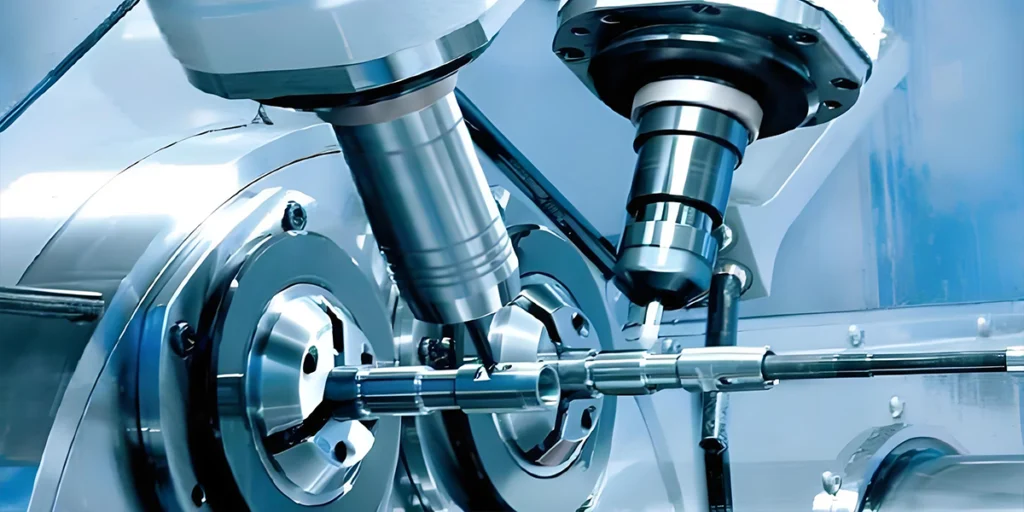
Key challenges in low-carbon steel processing
Although low-carbon steel has good machinability and is widely used in CNC turning, CNC milling and the manufacture of various mechanical parts, in actual production, CNC machining of low-carbon steel is not as simple as many people imagine.
For professional CNC machining suppliers of low-carbon steel, the real factor affecting part quality is often the ability to control details during the machining process. Especially in mass production, high-precision machining, and the manufacture of complex structural parts, low-carbon steel still presents many typical machining challenges.
Burr control
Low-carbon steel has high plasticity, making it prone to forming long, continuous chips during cutting. Simultaneously, the material easily adheres to the tool edge, forming a built-up edge. This directly leads to:
- Burrs appear on the edges of the parts.
- Unstable surface roughness
- Accelerated tool wear
- Poor dander removal
This problem is particularly noticeable in drilling, tapping, and deep grooving processes.
If the chips cannot be removed in time, they may scratch the machined surface or even cause the tool to break.
Therefore, mature CNC machining of low-carbon steel usually focuses on optimization:
- Tool geometry
- Cutting speed
- Coolant flow rate
- Chip removal path
In Zhuohua Hardware’s low carbon steel CNC machining projects, we adjust the cutting parameters according to the part structure and combine them with an efficient chip removal scheme to reduce the impact of long chips on machining stability.
For mass-produced parts, stable burr control not only affects the appearance but also directly impacts subsequent assembly efficiency.
Surface quality
Surface quality control of low-carbon steel is an issue that many customers tend to overlook. Because low-carbon steel has relatively low hardness, excessive clamping force, tool wear, or unstable cutting temperature control during processing can easily lead to:
- Surface tear
- Vibrating knife pattern
- Size fluctuation
- Roughness out of tolerance
Low-carbon steel is more prone to local deformation, especially in the machining of thin-walled parts, long shaft parts, and high-precision mating parts.
Therefore, professional low-carbon steel processing typically improves surface quality through the following methods:
- Reasonably control the cutting allowance
- Use sharp tools for precision machining
- Reduce finishing feed rate
- Optimize clamping method
- Employs a stable cooling system
For low-carbon steel parts that require surface treatment, such as galvanizing, powder coating, or blackening, stable surface roughness is particularly important because it directly affects the final coating adhesion.
Deformation problem
Although low-carbon steel is not as difficult to process as high-hardness steel, its lower strength makes it more susceptible to deformation due to cutting and clamping forces during processing.
This situation usually occurs when:
- Thin-walled parts
- Long shaft parts
- Large-size sheet metal
- High removal rate processing
If the machining process is not properly controlled, even if the machine tool itself has high precision, the final part may still have the following defects:
- Flatness deviation
- Coaxiality is unstable
- Dimensions out of tolerance
- Assembly interference
In addition, low-carbon steel also has a certain tendency to age over time.
After some parts are machined, the internal stress is released over time, causing a slow change in dimensions. This is why high-precision low-carbon steel parts usually require careful planning.
- Rough machining
- Semi-finishing
- Stress relief
- Finishing
Complete process flow, etc.
For complex low-carbon steel parts, we usually use:
- Phased processing
- Optimize clamping position
- Reduce the amount of material cut per cut
- Control processing temperature
To reduce the risk of deformation.
At Zhuohua Hardware, we have long provided low carbon steel CNC machining services to customers in the machinery, automation, and industrial sectors. For high-precision low-carbon steel parts, we not only focus on the machining itself, but also implement overall control from the perspectives of material stability, process routes, and batch consistency to ensure stable performance in the final assembly and use for our customers.
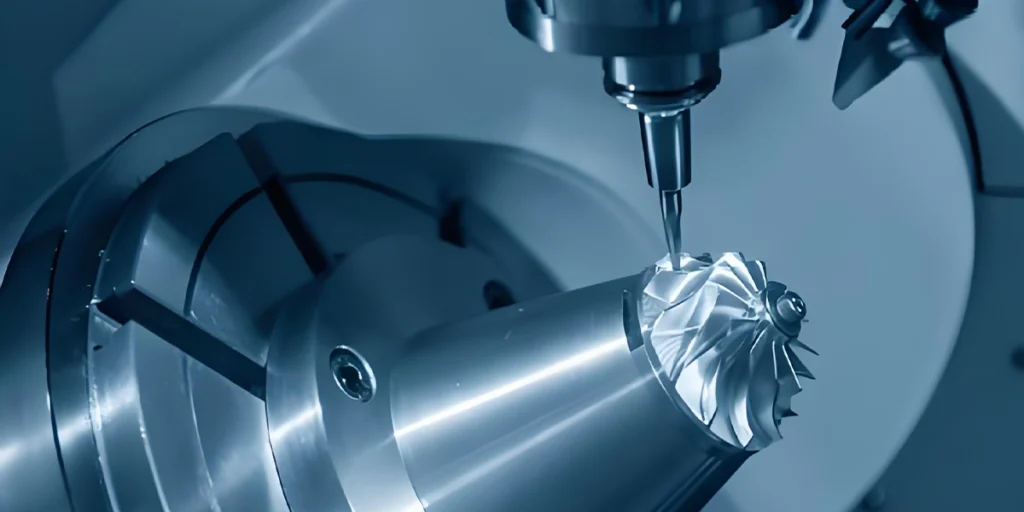
CNC machining process for low carbon steel
CNC machining of low-carbon steel typically includes CNC turning, CNC milling, drilling, tapping, and some secondary machining processes. Different part structures require different machining methods, and a reasonable process route not only affects machining efficiency but also directly determines the quality of the final part.
For professional low carbon steel CNC machining service providers, the focus of the machining process is not on a single process, but on how to achieve a balance between precision, machining efficiency and cost.
CNC Turning
CNC turning of low carbon steel is mainly used for machining:
- Shaft-type parts
- Threaded parts
- Sleeve-type parts
- Cylindrical structural components
Because low-carbon steel has relatively low cutting resistance, its turning efficiency is usually high, making it very suitable for medium to large-scale batch production.
However, during high-speed turning, low-carbon steel is also prone to producing continuous long chips and built-up edge problems. If the tool selection is inappropriate, this can easily lead to:
- Surface roughness decreases
- Size instability
- Increased burrs
Therefore, low-carbon steel turning typically employs the following methods:
- High-sharpness knives
- Optimal chip breaker design
- Stabilized coolant system
- Optimize cutting parameters
To improve processing stability.
For high-precision shaft parts, process engineers typically also control:
- Coaxiality
- Roundness
- Surface roughness
- Thread consistency
To ensure the accuracy of subsequent assembly.
At Zhuohua Hardware, we have mature CNC turning capabilities, capable of machining low-carbon steel parts with a maximum diameter of 431mm and a length of 990mm, and supporting everything from rapid prototyping to mass production.
CNC Milling
CNC milling of low-carbon steel is more suitable for machining complex structural parts, multi-faceted parts, and asymmetrical parts.
Compared to turning, milling can achieve:
- Planar machining
- Slot machining
- Cavity machining
- Multi-faceted processing
- Complex contour processing
In the milling process of low carbon steel, machining stability is often more important than cutting difficulty.
Because low-carbon steel is relatively soft, if the cutting tool lacks rigidity or is not clamped stably, it is prone to problems such as vibration marks and surface scratches.
Therefore, specialized low-carbon steel milling typically focuses on optimization:
- Toolpath
- Spindle speed
- Feed rate
- Depth of cut
For complex parts, multi-axis CNC machining can also effectively reduce repeated clamping, thereby improving dimensional consistency.
In actual industrial projects, low-carbon steel milling is widely used in:
- Automated equipment parts
- Industrial supports
- Mechanical structural components
- Tooling and fixtures
- Housing components
Zhuohua Hardware supports 3-axis, 3+2-axis, and 5-axis CNC milling, enabling the machining of various low-carbon steel structural parts and meeting the manufacturing needs of high-precision industrial parts.
Drilling and tapping
Drilling and tapping are very common processes in CNC machining of low carbon steel, but they are also one of the steps that are most likely to affect batch consistency.
Due to the high plasticity of low-carbon steel, the following issues are prone to occur during drilling:
- Poor dander removal
- Burrs on the hole wall
- Drill bit offset
- Aperture fluctuation
Especially in deep hole machining or small hole machining, the requirements for cutting parameters and cooling methods are even higher.
During the tapping process, improper control of rotation speed, feed rate, or lubrication can easily lead to:
- Unstable thread accuracy
- Accelerated tap wear
- Thread breakage
- Rough thread surface
Therefore, professional low carbon steel CNC machining is usually combined with:
- High-precision fixtures
- Automatic tapping program
- Cutting fluid cooling
- Online testing
To improve the stability of thread processing.
For industrial parts that require mass assembly, stable hole accuracy and thread consistency are crucial because they directly affect the final product assembly efficiency.
In mass production projects, Zhuohua Hardware optimizes drilling and tapping processes based on the characteristics of different low-carbon steel materials to ensure that complex parts maintain stable quality during mass production.
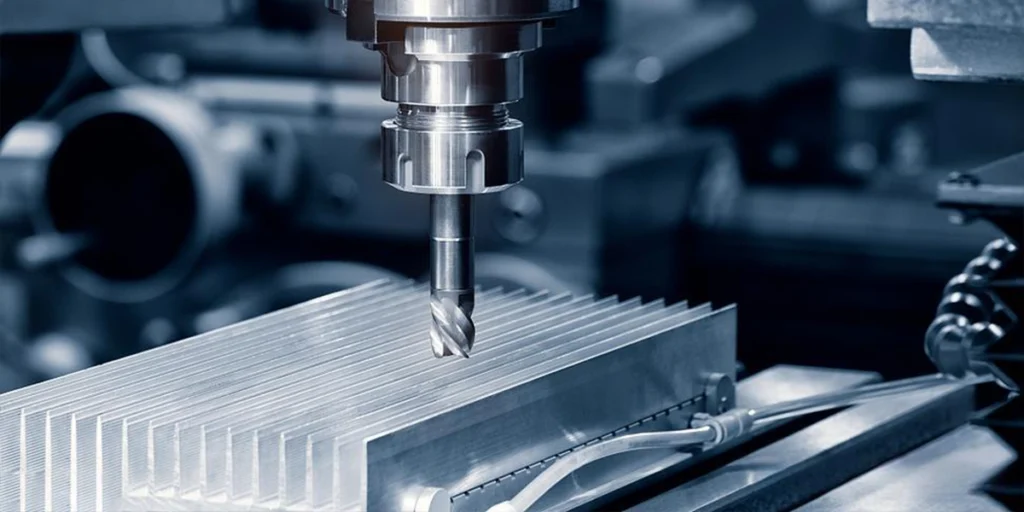
How can a professional low carbon steel CNC machining service provider guarantee quality?
For CNC machining of low-carbon steel, the quality of the parts is not solely determined by the machine tool’s precision. Many low-carbon steel parts perform well in the prototyping stage, but often exhibit the following problems after entering mass production:
- Size fluctuation
- Increased burrs
- Unstable surface roughness
- Assembly deviation
- Decreased batch consistency
Therefore, professional low carbon steel CNC machining service providers usually establish a complete quality control system from multiple dimensions, including materials, processes, equipment, testing, and production management.
Especially in the manufacturing of high-precision mechanical parts and mass-produced industrial parts, stability is often more important than the precision of a single part.
Process experience
While machining low-carbon steel is not as difficult as machining titanium alloys or high-temperature alloys, it requires extremely high process stability. For example:
- Inappropriate cutting parameters can easily lead to built-up edge.
- Unstable chip removal can affect surface quality.
- Improper clamping can easily lead to deformation.
- Tool wear directly affects dimensional consistency.
These problems usually cannot be solved by equipment alone, but rely more on practical processing experience.
Mature low carbon steel CNC machining suppliers typically base their decisions on:
- Material grade
- Component structure
- Tolerance requirements
- Batch size
- Post-processing
Develop corresponding processing plans.
For example, in the precision machining of low-carbon steel, process engineers typically plan ahead:
- Rough machining allowance
- Finishing path
- Tool life cycle
- Cooling solution
- Deburring process
To reduce quality fluctuations in mass production.
At Zhuohua Hardware, we have long provided low carbon steel CNC machining services to clients in the industrial equipment , robotics automation , and automotive industries . With extensive practical project experience, we are able to optimize machining processes based on the characteristics of different low-carbon steel materials, achieving a stable balance between efficiency and quality.
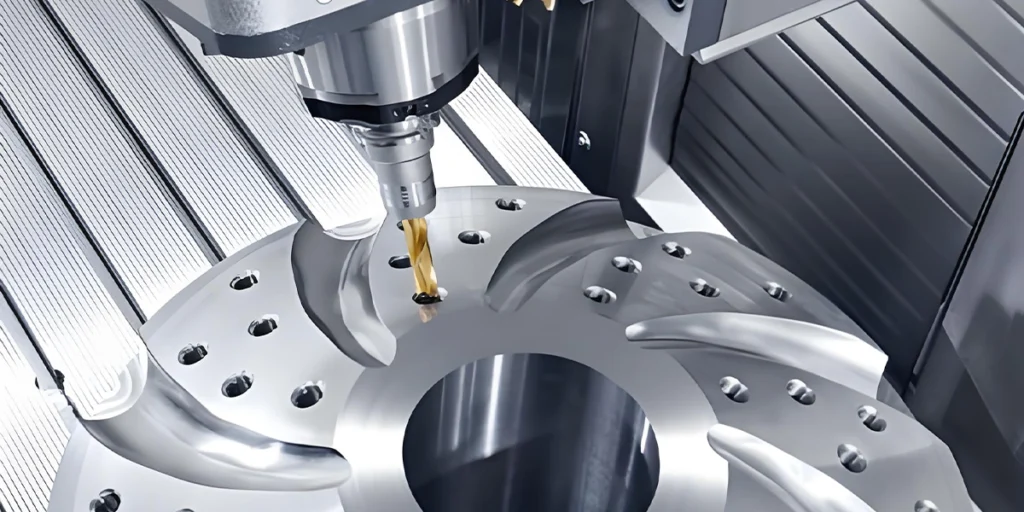
Testing process
In high-precision CNC machining of low-carbon steel, relying solely on final sampling inspection is usually insufficient. Professional machining plants typically establish a complete process inspection system to reduce the risk of batch defects.
Typical testing procedures include:
- Incoming material inspection
- First Article Inspection (FAI)
- Online size sampling inspection
- Final full inspection or random inspection
- Shipment re-inspection
During the raw material stage, the following checks are typically performed:
- Chemical composition
- Hardness
- Surface condition
- Material consistency
To prevent unstable materials from entering the production process.
During the processing stage, the following will be used:
- Calipers
- Micrometer
- Height Regulation
- Thread gauge
- Coordinate measuring machine (CMM)
Real-time monitoring of critical dimensions.
For high-precision low-carbon steel parts, many suppliers also monitor the machining process:
- Tool wear
- Temperature change
- Machine tool stability
- Coolant status
To ensure that the processing accuracy remains consistently stable.
At Zhuohua Hardware, we support a variety of test reports and quality documents, and ensure that low-carbon steel parts meet customer drawing requirements through standardized testing processes.
Batch Consistency
For OEM industrial parts projects, the real challenge is usually not “making a qualified sample,” but rather consistently replicating the same quality over the long term.
Especially in the batch processing of low-carbon steel, if process control is unstable, problems can easily arise between different batches:
- Size drift
- Surface differences
- Hole position deviation
- Inconsistent thread tightness
These issues will ultimately affect customer assembly efficiency and product reliability.
Therefore, professional low carbon steel CNC machining factories typically establish a complete batch production control mechanism, including:
- Standardized processing procedures
- Fixed tool life management
- Standardization of tooling and fixtures
- Production process records
- End-to-end traceability system
At the same time, the processing workshop usually also controls:
- Temperature
- Humidity
- Cooling system stability
To reduce the impact of environmental changes on machining accuracy.
A stable supply chain is equally important in mass manufacturing projects.
Zhuohua Hardware boasts mature CNC machining capabilities and a long-term, stable material supply system, supporting everything from rapid prototyping to high-volume production of low-carbon steel parts. Through standardized process management and rigorous quality control, we help customers reduce the risks of mass production and maintain long-term product consistency.