


316 stainless steel is one of the most common materials in high-performance CNC machining projects, and is especially suitable for the manufacture of precision parts in medical, marine, food equipment and highly corrosive environments.
Compared to 304 stainless steel, 316 offers stronger corrosion resistance and better long-term stability, but this also means higher material costs, greater machining difficulty, and higher tool wear. Therefore, machining 316 stainless steel typically requires more stable CNC equipment, more experienced machining expertise, and more appropriate cutting strategies.
316 stainless steel CNC machining services to global customers , supporting complex structural parts, precision CNC turning and CNC milling projects, and meeting needs from rapid prototyping to mass production.
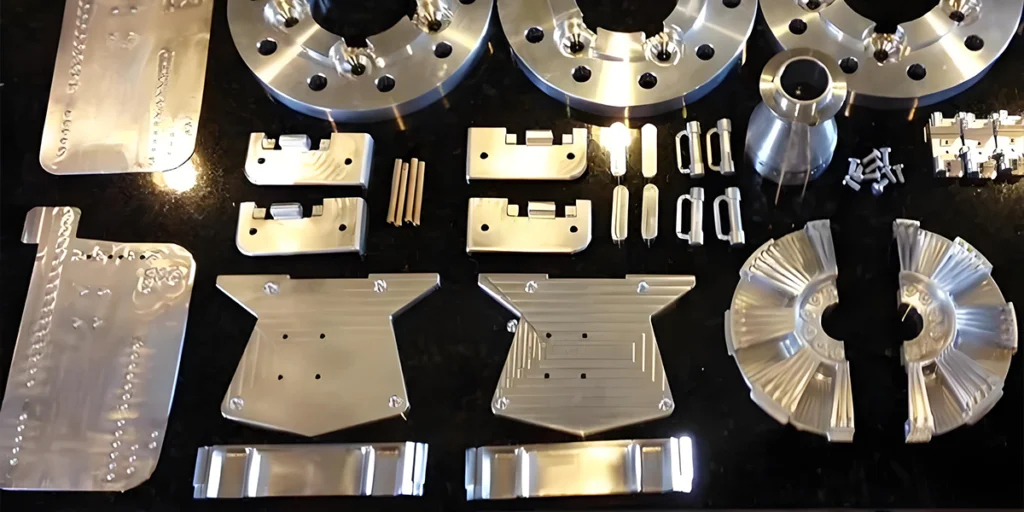
316 Stainless Steel Properties
Stronger corrosion resistance
The most significant characteristic of 316 stainless steel is its excellent corrosion resistance. Due to the addition of molybdenum, 316 performs significantly better than 304 in the following environments:
- Marine environment
- Salt spray environment
- Chemically corrosive environments
- High humidity environment
This is why 316 stainless steel is widely used in:
- Medical equipment
- Marine equipment
- Food machinery
- Chemical equipment
- High-end industrial systems
For parts that are exposed to corrosive environments for extended periods, 316 can effectively extend product life and reduce maintenance costs.
Higher material stability
In addition to corrosion resistance, 316 stainless steel also has the following properties:
- Excellent high-temperature performance
- High mechanical strength
- Excellent antioxidant capacity
- Stable structural performance
For high-precision CNC parts, material stability has a direct impact:
- Size consistency
- Surface quality
- Long-term assembly stability
Especially in the medical and automation equipment industries, many customers prefer to choose 316 stainless steel to ensure long-term reliability.
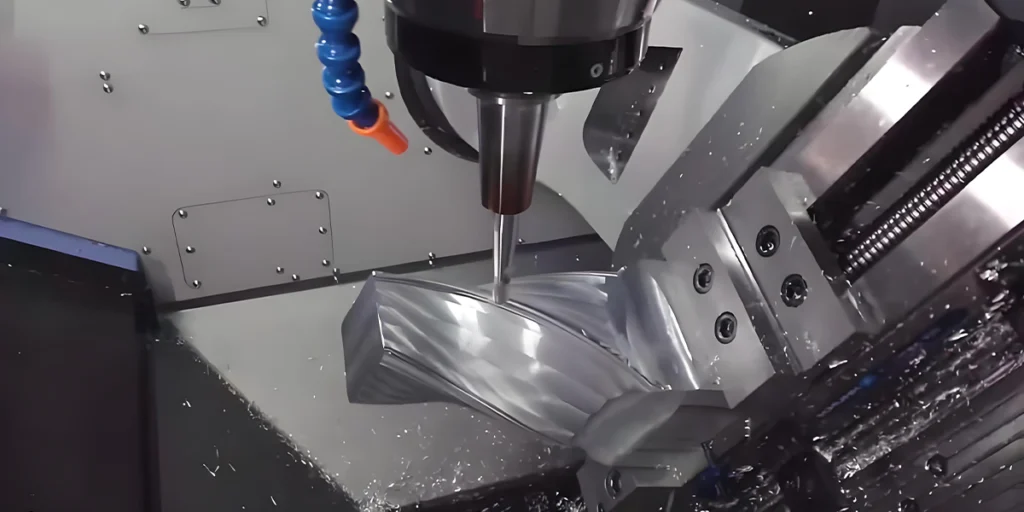
How to mill 316 stainless steel
Why is 316 difficult to mill?
Although 316 stainless steel has excellent properties, it is significantly more difficult to process than aluminum and ordinary steel.
The main reasons include:
- High material toughness
- Poor thermal conductivity
- Easily work-hardened
- The cutting tool wears out quickly.
If the processing parameters are not reasonable, the following problems can easily occur:
- Burrs
- Surface burns
- Size instability
- Tool breakage
Therefore, the processing of 316 stainless steel relies heavily on experienced engineering teams.
Tool selection is crucial
In milling 316 stainless steel, tool stability directly affects machining efficiency and surface quality.
The following is generally recommended:
Carbide cutting tools
- Higher wear resistance
- Better heat resistance
- More stable cutting capability
High-performance coated cutting tools ( TiAlN / AlTiN ):
- Reduce tool wear
- Reduce calorie accumulation
- Reduce the risk of surface damage
Controlling cutting heat
A large amount of heat is generated during the processing of 316.
Insufficient heat dissipation can easily lead to:
- Workpiece deformation
- Decreased tool life
- Surface roughness deterioration
Therefore, specialized factories typically adopt:
- High-pressure coolant
- Stable cutting path
- Appropriate feed parameters
To control the processing temperature.
Avoid work hardening
316 stainless steel is prone to work hardening during cutting. The more unstable the cutting process, the harder the material becomes. This further increases the load on the cutting tool.
Therefore, it is necessary to:
- Maintain stable cutting.
- Avoid repeated friction
- Reduce air cuts and pauses
This is why high-end 316 machining projects are more suitable for experienced CNC machining plants.
Multi-axis machining improves efficiency
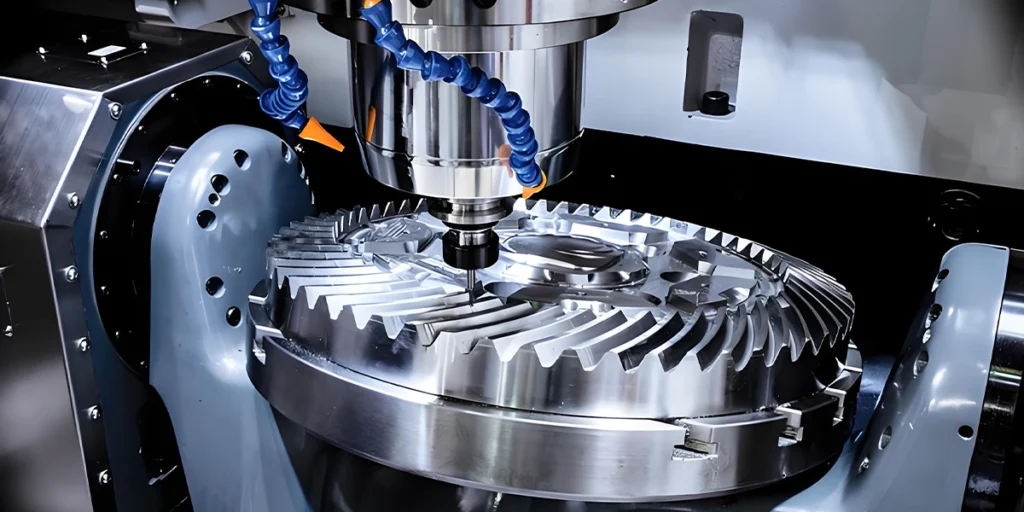
For complex 316 parts, 5-axis CNC machining is usually more advantageous.
By reducing repeated clamping, we can:
- Improve dimensional consistency
- Shorten the processing cycle
- Improve surface quality
- Reduce cumulative error
Zhuohua Hardware supports 3-axis, 3+2-axis, and 5-axis CNC machining , providing a stable machining solution for complex 316 stainless steel parts and supporting rapid prototyping and mass production.
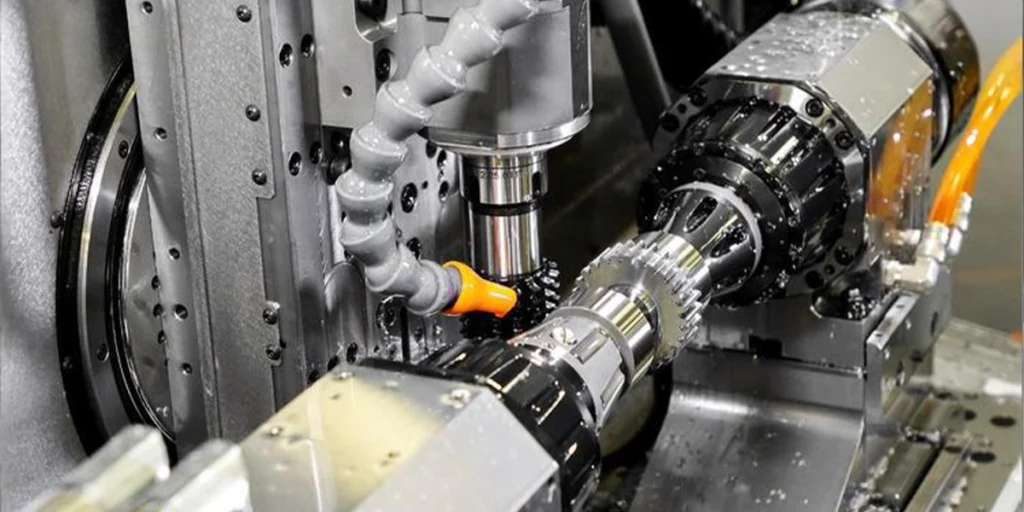
Difficulties in processing 316 stainless steel
The tool wears out quickly.
One of the biggest processing problems with 316 stainless steel is that tool wear is significantly higher than that of ordinary steel and aluminum alloys.
Due to the high toughness of the material and the concentrated cutting heat, the cutting tool is prone to the following during the machining process:
- Rapid wear
- Chipping of the cutting edge
- Plastygium
- Surface tear
This means that when machining 316, the cost of cutting tools is usually higher, and the machining parameters need to be more conservative.
For factories without experience in stainless steel processing, the following often occurs:
- Unstable surface quality
- Dimensions out of tolerance
- Poor batch consistency
Therefore, 316 machining relies not only on equipment, but also on engineering experience.
Processing efficiency is lower than that of ordinary materials
Compared to aluminum alloys, 316 stainless steel has significantly lower cutting efficiency.
Reasons include:
- Lower cutting speed
- More conservative feed
- Higher cooling requirements
- Frequent tool replacement
The machining time for many complex 316 stainless steel parts can be 2 to 4 times that of aluminum parts. This is one of the main reasons why 316 stainless steel parts are usually more expensive.
Thin-walled parts are prone to deformation
316 stainless steel is prone to heat accumulation during processing. For thin-walled structures, long parts, or complex cavity components, improper clamping and cutting strategies can easily lead to the following:
- Heat distortion
- Vibration
- Surface ripples
- Dimensional deviation
Therefore, high-precision 316 parts typically require:
- More stable clamping solution
- Phased processing strategy
- More reasonable toolpath optimization
At Zhuohua Hardware, we conduct DFM analysis in advance based on the part structure to optimize the machining path and clamping method, reduce the risk of deformation, and improve batch stability.
Higher surface treatment requirements
Many 316 stainless steel parts are eventually used in the medical, marine, or food industries, so they require not only dimensional accuracy but also higher surface quality.
Common requirements include:
- Low roughness
- Burr-free
- Pollution-free
- Corrosion-resistant surface
Therefore, 316 processing projects are usually combined with:
- Polishing
- Sandblasting
- Electropolishing
- Passivation treatment
In order to truly meet the requirements of end products, a professional processing plant needs to have both processing and post-processing capabilities.
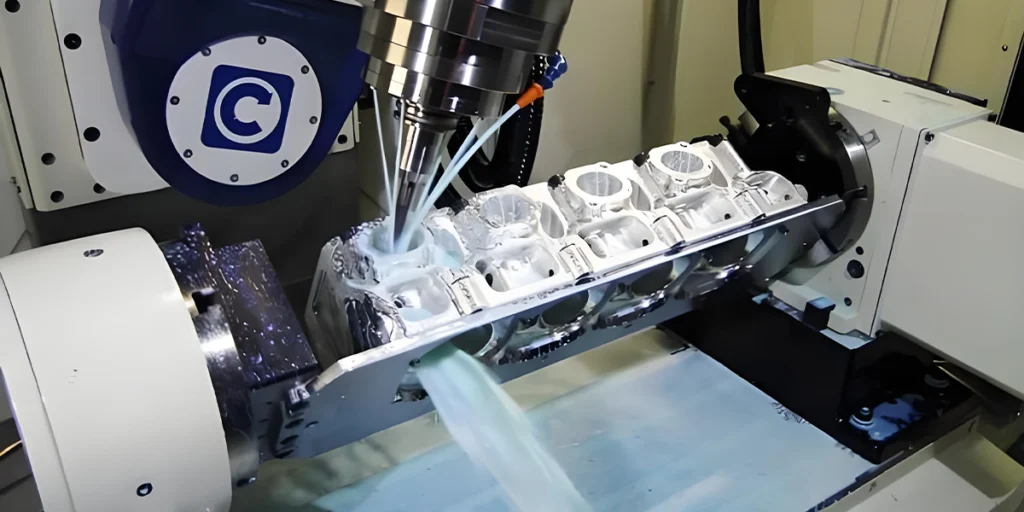
Medical and marine industry applications
316 stainless steel parts in the medical industry
316 stainless steel is widely used in the medical industry, especially 316L material.
The main reasons include:
- Good biocompatibility
- Excellent corrosion resistance
- Easy to clean
- High long-term stability
Common medical-grade machined parts include:
- Surgical equipment parts
- Medical connectors
- Precision housing
- Testing equipment components
The medical industry typically has extremely high requirements for processing precision and surface quality, so suppliers not only need equipment capabilities, but also a stable quality management system.
316 parts in the marine industry
Marine environments, with their prolonged exposure to salt and moisture, cause severe corrosion to metals. 316 exhibits greater stability against salt spray corrosion, making it more suitable for:
- Ship equipment
- Marine automation systems
- Pump and valve parts
- Marine connectors
These parts typically require long-term stable operation, therefore customers are more concerned about:
- Material reliability
- Long-term corrosion resistance
- Batch consistency
Industrial and food equipment applications
Besides the medical and marine industries, 316 is also widely used in:
- Food machinery
- Chemical equipment
- Automated equipment
- High-end industrial systems
Especially in environments requiring frequent cleaning or contact with chemical media, 316 can effectively extend equipment lifespan.
Cost comparison between 316 and 304
Raw material cost differences
316 stainless steel is generally more expensive than 304. The main reason is that 316 contains more:
- Nickel
- Molybdenum
These alloying elements can improve corrosion resistance, but they also increase the overall material cost.
Generally, the price of 316 raw materials is about 20%-40% higher than that of 304. The specific difference will fluctuate with changes in global metal prices.
Processing cost differences
Besides the material price, 316 stainless steel also has higher processing costs. Compared to 304, 316 typically has the following drawbacks:
- Slower processing speed
- Higher tool wear
- Longer processing time
- More complex cooling control
Therefore, even if the parts have the same structure, the final processing price of 316 parts is usually higher.
When should you choose 316?
Although 316 is more expensive, it doesn’t mean that all projects should use 304.
If the part needs to face:
- Humid environment
- Salt spray environment
- Chemical corrosion
- Medical applications
- Suitable for long-term outdoor use
316 is generally a more reliable choice. However, for ordinary industrial structural parts, if corrosion requirements are not high, 304 often offers better cost performance.
How to reduce the processing cost of 316 stainless steel
For Project 316, professional suppliers typically help clients reduce costs in the following ways:
- Optimize part structure
- Reduce complex processing areas
- Reasonable control of tolerances
- Optimize toolpath
- Use multi-axis machining to reduce clamping
Zhuohua Hardware has long provided precision machining services for 316 stainless steel and can provide DFM optimization suggestions based on customer drawings to help customers control overall manufacturing costs while ensuring performance.