


In CNC machining projects, material selection usually directly affects part performance, manufacturing costs, machining cycle, and long-term reliability.
For many purchasing engineers and product development teams, brass and aluminum are both frequently used metals, but they are suitable for completely different application scenarios.
Some projects prioritize conductivity and abrasion resistance, while others prioritize weight, cost, or processing efficiency. Choosing the wrong materials often leads to assembly problems, shortened lifespan, and even unnecessary increased manufacturing costs.
As a long-term supplier of precision CNC machining services, Zhuohua Hardware frequently assists clients in optimizing their material choices between brass and aluminum. This article will help you better understand the differences between the two materials from the perspectives of machining performance, cost, performance advantages, and practical applications.
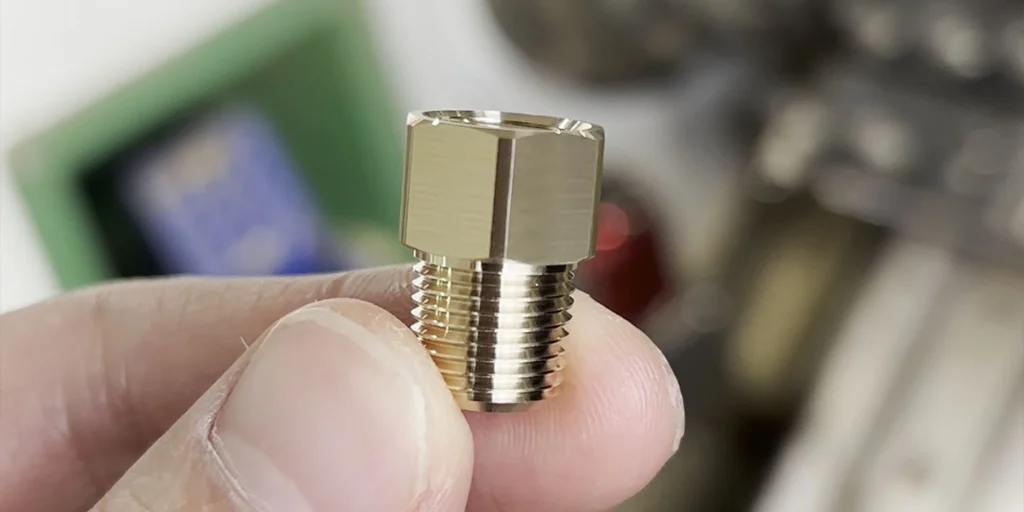
Differences between brass and aluminum processing
Brass and aluminum are both metals that are very suitable for CNC machining, but they differ significantly in cutting characteristics, surface finish, mechanical properties and cost structure.
For product developers, what really matters is not “which material is easier to process,” but rather:
- Which material is more suitable for the final application?
- Which material is more stable?
- Which material has a greater long-term cost advantage?
Processing performance
From a CNC machining perspective, brass is generally considered one of the easiest metals to machine. Brass possesses excellent machinability, maintaining stable cutting performance during high-speed machining while reducing tool wear. Therefore, brass is particularly suitable for:
- Precision -machined parts
- Small complex structural components
- Threaded parts
- Brass connectors
- Valve assemblies
Brass processing has another significant advantage: it is easier to achieve a high-quality surface finish, and a good appearance can usually be achieved without complicated post-processing.
In contrast, aluminum also has excellent processing efficiency, but its material properties are different from those of brass.
Aluminum is lighter and has lower cutting resistance, making it ideal for:
- Large structural components
- Lightweight parts
- Aerospace and robotics components
- Consumer electronics housings
However, some aluminum alloys are prone to the following issues during high-speed machining:
- Sticky knife
- Burrs
- Surface scratches
This means that more reasonable toolpath and cutting parameter control are needed during the machining process.
In Zhuohua Hardware’s actual projects, we typically help clients select the most suitable processing technology based on the part’s structure, surface requirements, tolerances, and batch size. For example:
- High-precision connectors → Brass is more stable
- Lightweight structural components → Aluminum is more economical
- High-frequency batch production of parts → Requires comprehensive evaluation of materials and processing cycle time
Cost comparison
Many customers assume that aluminum is always cheaper than brass, but this isn’t always the case. Material costs are only one part of the total manufacturing cost; other factors that truly impact the project budget include:
- Processing time
- Tool life
- Yield
- Surface treatment
- Assembly requirements
In terms of raw material prices, most brass materials are generally more expensive than ordinary aluminum alloys. The cost is even higher for high-conductivity, high-precision brass materials.
However, the advantage of brass is:
- Faster cutting efficiency
- Lower tool wear
- More stable processing performance
- Fewer post-processing requirements
Therefore, for some complex and precision parts, although brass is more expensive, the overall manufacturing cost may not be higher.
Aluminum offers a cost advantage in large-size parts and high-volume production, especially in the following scenarios:
- Lightweight housing
- Large milled parts
- Aerospace structural components
- Heat dissipation components
Aluminum can effectively reduce material weight and transportation costs.
As a manufacturer providing CNC machining services for both brass and aluminum, Zhuohua Hardware typically assists clients with cost analysis during the Design for Manufacturing (DFM) stage. In many cases, optimizing material selection and machining methods can significantly reduce overall manufacturing costs without compromising performance.
Advantages of brass
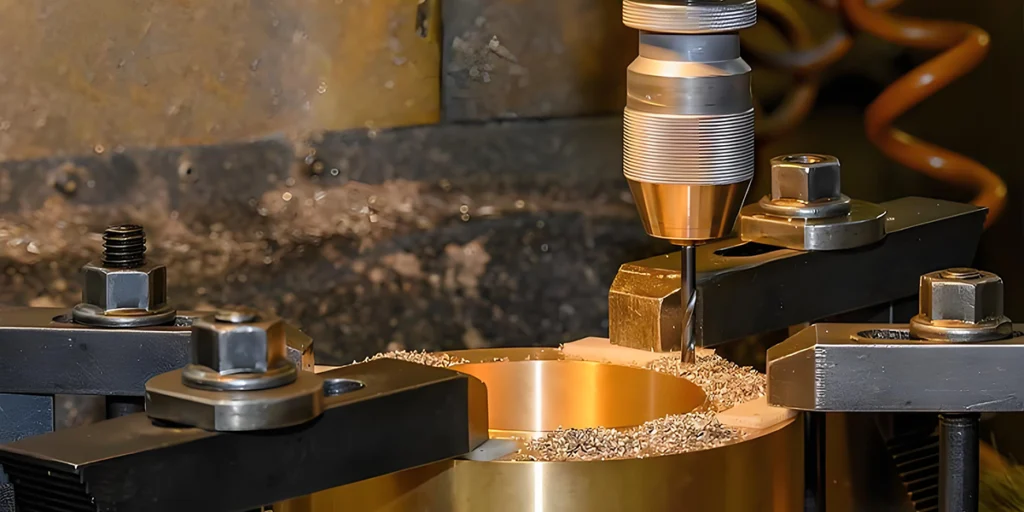
Although brass has fewer applications than aluminum, it remains an irreplaceable material in many industrial applications requiring high precision, stability, and reliability. Especially in:
- Precision brass connectors
- Valve assemblies
- Brass electrical components
- Fluid control systems
- Medical equipment
In these applications, brass typically performs more stably than aluminum. For components that operate for extended periods, frequently come into contact with liquids, or require high conductivity, brass often offers better overall performance.
Abrasion resistance
One of the biggest advantages of brass is its excellent wear resistance. Compared to aluminum, brass is less prone to wear and tear under long-term friction, repeated assembly, or high-frequency use.
- Surface wear
- Damaged threads
- Structural deformation
- Dimensional instability
This is why brass is still the preferred material for many industrial valves, fittings, pipes, and mechanical components.
In actual CNC machining projects, we often see the following situations:
If the parts require:
- Prolonged mechanical contact
- High-frequency disassembly and assembly
- Long service life
- High stability fit
Brass is generally more reliable than aluminum.
For example:
- Brass threaded parts generally have significantly higher durability than aluminum ones.
- Brass valve assemblies can withstand longer-term fluid friction.
- Brass connectors are more stable under repeated mating and unmating conditions.
For OEM customers, this means:
- Lower after-sales risk
- Longer product lifespan
- More stable assembly performance
In Zhuohua Hardware’s brass machining projects, we typically optimize the machining process based on the wear areas of the parts, including:
- Precision thread machining
- Tolerance control
- Surface treatment optimization
- Deburring and finishing
This helps customers improve the long-term stability of their products.
Electrical conductivity
Another important advantage of brass is its excellent electrical conductivity. While pure copper has a higher conductivity, it is more prone to deformation during processing and has poorer processing stability. Brass, on the other hand, achieves a better balance between conductivity and machinability.
Therefore, brass is widely used in:
- Electrical connectors
- Brass terminals
- Brass switch assemblies
- Sensor components
- Communication equipment parts
Especially in the precision electronics industry, brass can simultaneously meet the following requirements:
- Electrical conductivity requirements
- Mechanical strength
- Dimensional accuracy
- Batch consistency
In contrast, while aluminum also possesses some electrical conductivity, its conductivity stability, contact reliability, and corrosion resistance are generally inferior to those of brass. This is why many high-reliability electronic connection systems still extensively utilize brass.
For these precision electronic components, manufacturing stability is crucial. For example:
- Micropores
- Precision threads
- Ultra-small structure
- High surface finish requirements
Both require stable CNC machining capabilities.
Zhuohua Hardware has long provided precision brass machining services to the electronics, industrial automation, and communications industries, supporting:
- Multi-axis CNC turning
- Precision milling
- Micro-parts machining
- Batch consistency control
We can also provide post-processing solutions such as polishing and electroplating according to customer needs to meet different conductivity and appearance requirements.
Advantages of aluminum
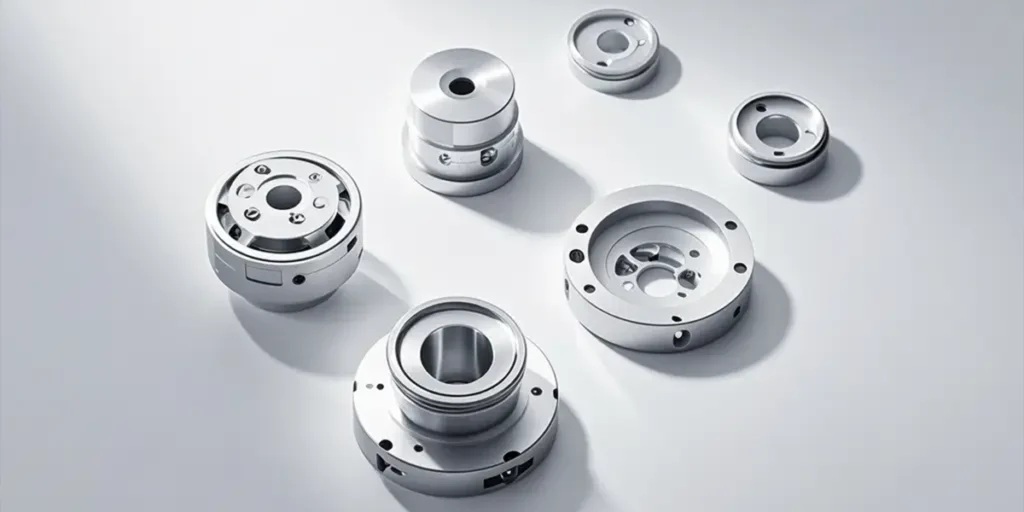
Aluminum has become one of the most widely used metals in global CNC machining largely because it achieves an excellent balance between weight, machining efficiency, and manufacturing cost. For many consumer electronics, automation equipment, automotive, and aerospace parts, aluminum is often the preferred material.
Compared to brass, aluminum is more suitable for projects that require large dimensions, lightweight design, and high production efficiency, especially in mass production, where aluminum can effectively reduce overall material weight and transportation costs.
Lightweight
Aluminum’s biggest advantage is its light weight. Its density is much lower than brass, giving it a significant advantage in weight-sensitive products, such as:
- Aerospace structural components
- Unmanned aerial vehicle (UAV) parts
- Robot parts
- Lightweight automotive components
- Consumer electronics housings
For many engineering teams, reducing weight not only means a lighter product, but can also directly impact:
- Energy consumption
- Operating efficiency
- Heat dissipation performance
- Transportation costs
- Assembly load
Especially in the new energy vehicle and automation equipment industries, lightweighting has become an important direction in product design. Many parts that originally used steel or brass are gradually being replaced by high-strength aluminum alloys.
From a machining perspective, aluminum is also suitable for high-speed cutting, thus maintaining high production efficiency in high-volume CNC milling projects. Zhuohua Hardware supports 3-axis, 3+2-axis, and 5-axis CNC machining in aluminum machining projects, meeting the manufacturing needs of complex curved surfaces, cavity structures, and high-precision shell parts.
Cost advantage
Besides its weight, another key advantage of aluminum is its generally lower overall manufacturing cost. For parts with relatively simple structures and produced in large quantities, aluminum typically offers better cost control for reasons including:
- Lower raw material costs
- Higher processing efficiency
- Tool life is relatively stable
- More suitable for high-speed machining
- High maturity for mass production
Especially in the consumer electronics and industrial equipment industries, many customers are more concerned with the “performance-cost balance” than with extreme wear resistance. In such cases, aluminum is often a more economical solution.
In addition, aluminum has a very mature surface treatment system, including:
- Anodizing
- Sandblasting
- Wire drawing
- Powder coating
This gives it a greater advantage in appearance parts and branded products.
However, aluminum is not suitable for all applications. If parts require long-term friction, high conductivity, or high wear resistance, brass remains a more reliable choice. Therefore, truly professional machining suppliers typically do not simply recommend the “cheapest” material, but rather help customers balance performance, cost, and manufacturing feasibility based on the actual application.
How to choose materials for different applications
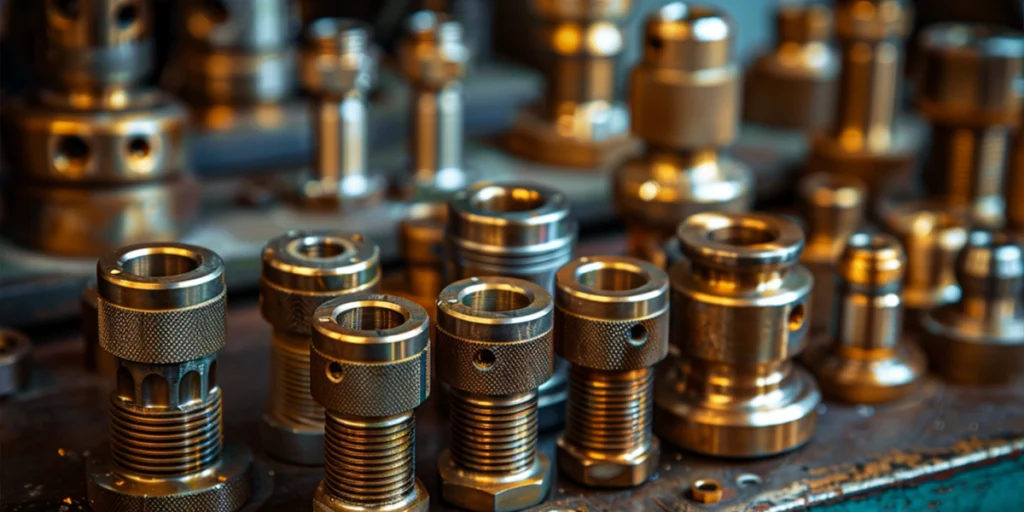
There is no absolute “better” between brass and aluminum; the key lies in the actual application requirements of the parts.
If the project focuses more on:
- Electrical conductivity
- Abrasion resistance
- Long lifespan stability
- High-precision threads
- Fluid control
Brass is generally more suitable, and therefore it is widely used in:
- Electrical connectors
- Brass valve assemblies
- Medical accessories
- Industrial connectors
- Precision instrument parts
However, if the project’s focus is:
- Lightweight
- Large-size structure
- Cost control
- High-speed machining
- Manufacturing of exterior parts
Aluminum is generally more advantageous and is therefore very common in the following industries:
- Consumer electronics
- Automated equipment
- Aerospace
- Automotive structural components
- Heat dissipation components
In actual manufacturing, many customers initially only focus on the unit price of materials, but experienced engineering teams usually consider further considerations:
- Processing difficulty
- Post-processing costs
- Assembly stability
- Product lifespan
- Long-term maintenance costs
For example, a lower-priced material may result in faster wear and tear or a higher repair rate, ultimately leading to a higher overall cost.
Therefore, conducting a proper material assessment during the product development phase is usually more important than modifying the design later.
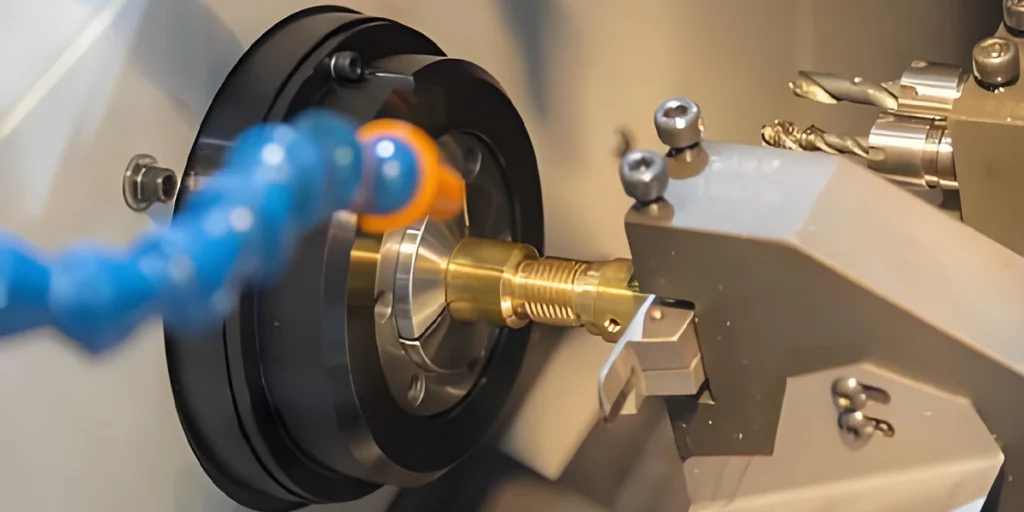
How to help customers select materials
At Zhuohua Hardware, we not only provide CNC machining services , but more importantly, we help our clients make more informed manufacturing decisions early in the project process.
Many customers specify materials in their inquiries, but after DFM analysis, we often find that:
- Some structures are better suited to brass.
- Some parts could be replaced with aluminum to reduce costs.
- Certain tolerance designs can significantly increase the difficulty of machining.
- Certain surface finish requirements can be mitigated by reducing post-treatment costs through process optimization.
Therefore, we typically consider the following factors when providing material recommendations to our clients:
- Use of the parts
- Work environment
- Accuracy requirements
- Strength requirements
- Surface treatment
- Batch size
- Target Budget
With years of experience in precision machining, we support the machining of a variety of brass and aluminum alloy materials, including complex CNC turning parts , multi-axis CNC milling parts , and high-precision OEM parts manufacturing, while also supporting rapid prototyping to mass production.
For many European and American clients, a truly valuable supplier is not just someone who “processes according to drawings,” but someone who can provide a more professional balance between materials, processes, and costs. This is why more and more clients are choosing to cooperate long-term with processing plants that have engineering support capabilities.