


In modern manufacturing, aluminum has become one of the most common CNC machining materials. Whether it’s lightweight automotive parts, robot structural components, or aerospace components, more and more companies are replacing traditional steel with aluminum alloys to achieve better processing efficiency, lower weight, and more stable production costs.
For engineers, the advantages of aluminum are not only reflected in its material properties, but also in the entire manufacturing process:
- Faster processing speed
- Lower tool wear
- More stable size control
- More flexible structural design
However, not all aluminum materials are suitable for the same project.
What really matters is how to select the right aluminum material and processing solution based on the product’s intended use, strength requirements, surface finish, and budget.
In this article, we will analyze from a practical manufacturing perspective why aluminum is so suitable for CNC machining, and the core differences between it and other common materials.
Core processing advantages of aluminum materials
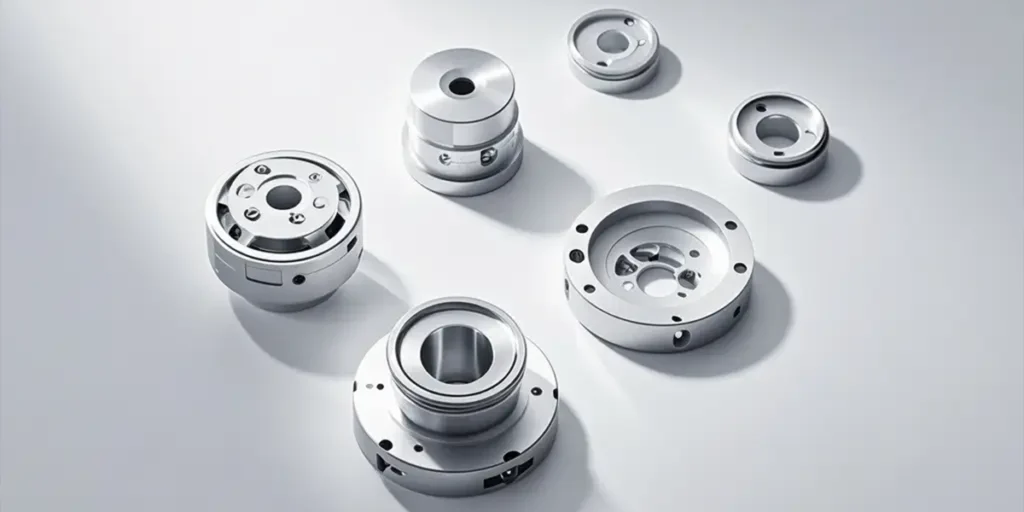
Aluminum’s dominance in the CNC machining industry isn’t due to any single advantage. Rather, it’s because aluminum achieves an excellent balance between weight, machinability, corrosion resistance, and cost. This is why aluminum alloys are the preferred choice for a large number of industrial equipment, automation systems, and high-performance products.
Lightweight advantages
One of the most significant characteristics of aluminum is its light weight. Aluminum has a density that is only about one-third that of steel, which is crucial for many modern products.
Lighter parts usually mean:
- Lower energy consumption
- Higher exercise efficiency
- Faster response time
- Easier to transport and assemble
For example, in the robotics industry, reducing the weight of a robotic arm can significantly reduce motor load and improve movement speed and control stability. In the new energy vehicle industry, lightweighting directly impacts driving range.
This is why more and more car chassis, radiators, brackets, and structural components are starting to use aluminum CNC machining.
Easy to process
From a CNC manufacturing perspective, aluminum is one of the most “user-friendly” metal materials. Compared to stainless steel or titanium alloys, aluminum is easier to cut and has lower machining resistance.
This means:
- Higher cutting speeds can be used
- Longer tool life
- Shorter processing time
- Overall costs are easier to control
For customers, the most direct benefits are shorter delivery times and lower manufacturing costs.
Especially in the machining of complex parts, aluminum can better support high-speed milling and five-axis machining.
For example:
- Deep cavity structure
- Thin-walled parts
- Curved surface parts
- Precision mounting surface
Using stainless steel for these structures would significantly increase the difficulty and cost of processing. Aluminum, on the other hand, can usually be used more efficiently.
Excellent thermal conductivity
Aluminum has excellent thermal conductivity. Therefore, aluminum is used in a wide range of electronic devices and automation systems to manufacture heat dissipation components.
Typical applications include:
- Heat sink
- Motor housing
- LED housing
- Battery assembly
- Industrial control system
In many electronics industry projects, aluminum is not only a structural material but also part of the thermal management solution. Therefore, engineers prioritize CNC machining of aluminum during the design phase.
Stable corrosion resistance
Many aluminum alloys naturally possess good corrosion resistance. Anodizing can further enhance this resistance.
- Surface hardness
- Antioxidant capacity
- Abrasion resistance
- Consistency in appearance
This makes aluminum ideal for:
- Outdoor equipment
- Medical equipment
- Automated equipment
- Marine environmental applications
For European and American customers, product lifespan and long-term stability are usually more important than simply low price. Therefore, an increasing number of companies are starting to use surface-treated aluminum parts instead of ordinary steel parts.
Aluminum vs. Steel/Stainless Steel/Plastic
Many clients face a question at the beginning of a project: should they choose aluminum, steel, stainless steel, or engineering plastics?
In reality, there is no absolutely “best” material. The real key is:
- Product Uses
- Strength requirements
- Work environment
- Weight Limit
- Cost target
Different materials are suitable for completely different projects.
Aluminum vs. ordinary steel
Ordinary steel typically boasts higher hardness and lower raw material costs. However, it also presents significant problems:
- Heavier
- More prone to rusting
- Slower processing speed
- Post-processing requirements are higher.
In comparison, aluminum is more suitable:
- Lightweight equipment
- Automated structural components
- High-frequency moving parts
- Exterior components
Therefore, in modern equipment manufacturing, many parts that were originally made of steel have gradually been replaced by aluminum alloys.
Aluminum vs Stainless Steel
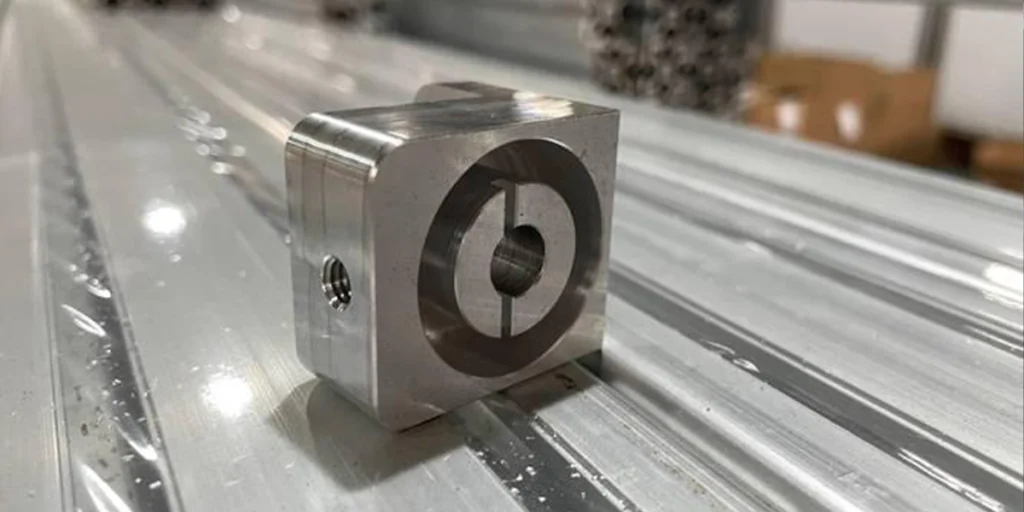
Stainless steel generally has higher strength, wear resistance, and corrosion resistance. However, from a CNC machining perspective, stainless steel is significantly more difficult to process.
It will bring:
- Higher tool wear
- Longer processing time
- Higher manufacturing costs
If a project does not require extreme strength or high-temperature environments, aluminum is often a more economical choice.
Especially in:
- Consumer electronics
- Automated equipment
- Robot
- Industrial housing
In these fields, aluminum can often achieve a more reasonable balance between performance and cost.
Aluminum vs. Engineering Plastics
Engineering plastics offer advantages in terms of weight and insulation properties. For example:
- ABS
- POM
- Nylon
- PTFE
But plastics usually contain:
- Limited strength
- Low thermal stability
- Insufficient long-term dimensional stability
Therefore, many parts require:
- Structural strength
- Precision assembly
- Long-term stability
Ultimately, we will still choose aluminum CNC machining.
Especially in the industrial automation and robotics industry, aluminum is often a more reliable long-term solution than plastic.
How to choose the most suitable materials
In real-world projects, material selection not only affects component performance but also directly impacts:
- Processing cycle
- Production costs
- Surface treatment solutions
- Post-assembly stability
Therefore, professional CNC machining suppliers usually participate in DFM analysis and material recommendations at the beginning of a project.
At Zhuohua Hardware, we have long provided aluminum, stainless steel, steel, and engineering plastics processing services to clients in Europe and America. Many clients upload their drawings, and we process them according to the following:
- Structural complexity
- Tolerance requirements
- Usage Environment
- Batch demand
We help customers optimize their material solutions, thereby reducing overall manufacturing costs and improving production stability.
What are the best aluminum materials for processing?
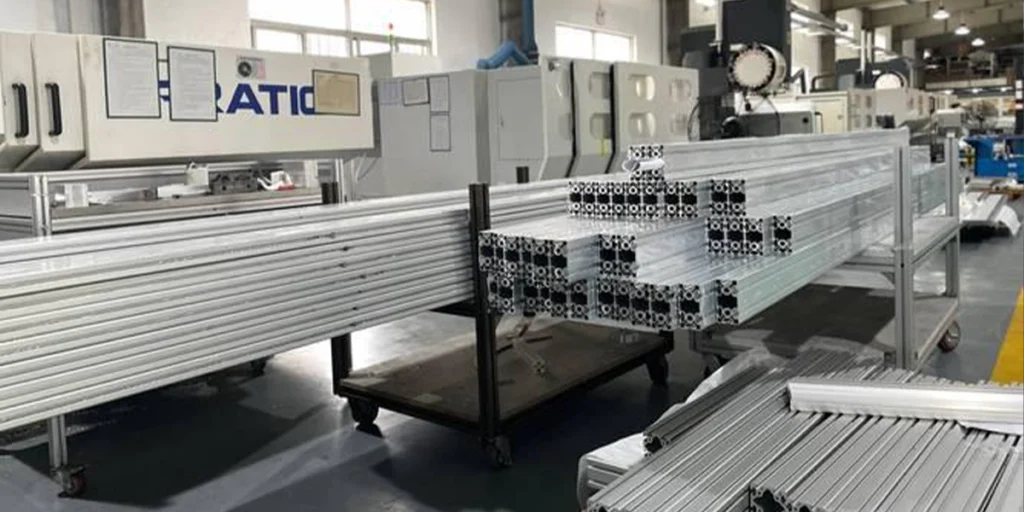
Not all aluminum alloys are suitable for the same CNC machining projects. Different aluminum grades vary significantly in strength, corrosion resistance, machinability, and cost, so engineers typically select materials based on the intended use of the product, rather than just price.
For most industrial projects, 6061, 7075, 5052, and 5083 are some of the most commonly processed aluminum materials.
6061 aluminum material
6061 is one of the most widely used aluminum materials for CNC machining because it achieves a very good balance between machinability, strength, corrosion resistance, and cost. It is suitable for:
- Industrial equipment parts
- Automation structural components
- Robot components
- Electronic housings
- General mechanical parts
The biggest advantage of 6061 is its ease of machining and stable appearance after anodizing, making it ideal for projects with both structural and aesthetic requirements. For most routine CNC machining projects, 6061 is usually the preferred material unless the customer has specific strength requirements.
7075 aluminum material
7075 is a high-strength aerospace-grade aluminum alloy, with strength approaching that of some steels. Therefore, it is widely used in aerospace, high-end sports equipment, and high-load industrial parts. Compared to 6061, 7075 has:
- Higher intensity
- Better fatigue resistance
- Higher hardness
However, at the same time, its material and processing costs are also higher, and it has stricter requirements for processing technology and tool stability.
7075 is typically used for:
- Aerospace structural components
- Unmanned aerial vehicle (UAV) components
- High-load connectors
- Precision mechanical parts
If a project prioritizes structural strength over cost, 7075 is often a better choice.
5052 aluminum material
The most notable characteristic of 5052 is its excellent corrosion resistance and good formability. It is commonly used in marine environments, the automotive industry, and welded structural components.
Compared to 6061, 5052 has slightly lower strength, but more stable corrosion resistance, therefore it is suitable for:
- Automotive sheet metal parts
- Fuel tanks
- Housing assemblies
- Marine equipment
For products that need to be exposed to humid or corrosive environments for a long time, 5052 is generally more reliable than ordinary structural aluminum.
5083 aluminum material
5083 is a high corrosion-resistant aluminum alloy widely used in marine, shipbuilding, and heavy industry applications. It possesses the following characteristics:
- Excellent corrosion resistance
- Good weldability
- High structural stability
Therefore, 5083 is often used for:
- Marine equipment
- Large structural components
- Pressure vessels
- Heavy-duty industrial components
Although the processing performance of 5083 is not as good as that of 6061, its long-term stability is more advantageous in harsh environments.
How to select aluminum grade for different projects
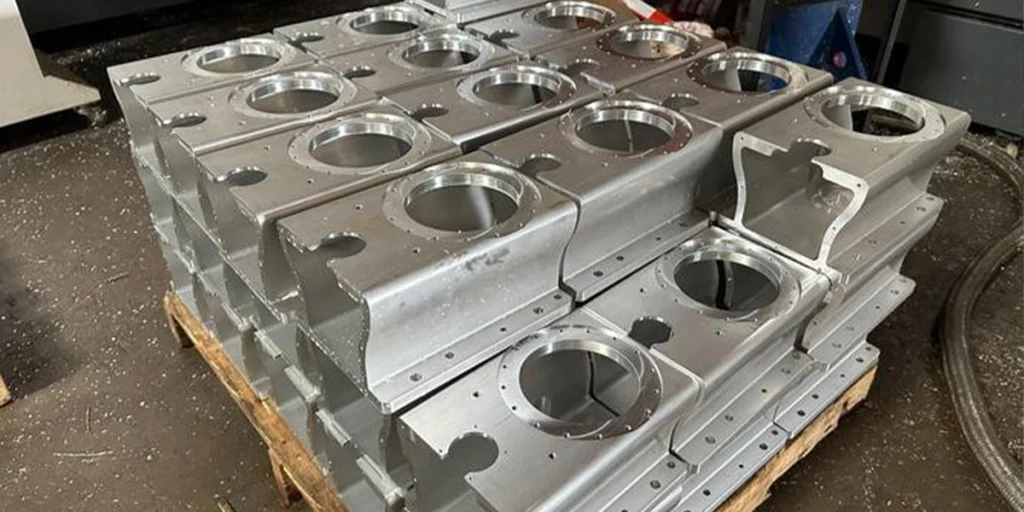
The most common problem that customers encounter at the beginning of a project is not “how to process it”, but rather: which type of aluminum material is truly suitable for their product.
In fact, the choice of materials will directly affect:
- Component lifespan
- Processing costs
- Surface treatment effect
- Structural stability
- Later mass production efficiency
Therefore, specialized processing plants typically participate in material evaluation during the DFM stage, rather than waiting until production begins before making modifications.
If a project prioritizes versatility, cost control, and processing efficiency, 6061 is usually the safest option. It is suitable for the vast majority of industrial parts, has a stable supply, and offers fast processing speeds, making it ideal for rapid prototyping and mass production.
For projects involving high loads, high strength, or aerospace-grade applications, 7075 would be more suitable. Although it is more expensive, it offers superior structural performance, making it particularly suitable for drones, aerospace components, and high-end machinery.
For environments requiring long-term corrosion resistance, such as marine equipment, outdoor systems, or certain automotive parts, 5052 and 5083 are more advantageous. Although these materials have slightly lower processing efficiency, they offer better long-term stability.
Many European and American clients tend to overemphasize high-strength materials in project development, but in reality, higher-grade materials do not necessarily mean a more reasonable manufacturing solution.
In many cases, by optimizing structural design and manufacturing processes, ordinary 6061 can meet project requirements while significantly reducing overall costs.
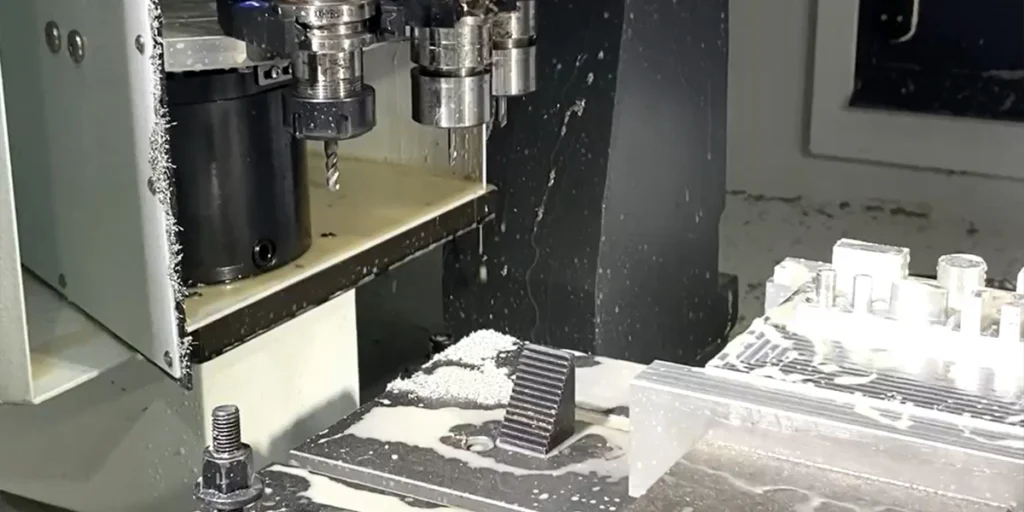
How we help our clients optimize material selection
For professional CNC machining suppliers , the truly valuable service is not just “machining according to drawings”.
More importantly, it helps clients reduce erroneous decisions before a project enters production.
In real-world projects, we often encounter the following problems:
- The use of excessively high-grade materials led to uncontrolled costs.
- The structural design is not suitable for the current aluminum grade.
- Surface treatment and material mismatch
- Insufficient material stability during mass production
These problems typically don’t appear at the drawing stage, but rather gradually emerge during mass production, assembly, or long-term use.
Therefore, at Zhuohua Hardware, after customers submit their drawings, we will assist them in optimizing material solutions based on the part structure, application environment, tolerance requirements, and budget targets.
For example:
- Is a 7075 necessary, or is a 6061 sufficient?
- Is five-axis machining required to reduce clamping errors?
- Is it suitable for anodizing?
- Is it necessary to increase the wall thickness to reduce the risk of deformation?
- Can processing costs be reduced through material substitution?
We provide:
- Aluminum CNC milling
- Aluminum CNC turning
- Five-axis aluminum machining
- Precision aluminum parts manufacturing
- From prototype to mass production
Currently, it supports the processing of 50+ metal and plastic materials and can provide complete surface treatment solutions such as anodizing, sandblasting, wire drawing, and polishing .
For many overseas clients, a stable supply chain and engineering support are often more important than simply offering the lowest price. This is because what truly impacts project costs is usually not the price of individual components, but rather rework, delivery delays, and quality fluctuations.