


Aluminum CNC machining has become one of the most common machining solutions in modern manufacturing. From automotive parts and robot structural components to medical devices and aerospace components, more and more companies are using aluminum alloys to replace traditional steel parts in order to achieve lighter weight, better machining efficiency, and more stable cost control.
For product development teams, choosing the right aluminum processing supplier not only affects the quality of parts, but also directly impacts project delivery time, assembly accuracy, and subsequent mass production stability.
In this guide, we will provide a detailed introduction to the core principles, material advantages, common processes, and practical applications of aluminum CNC machining from an engineering and manufacturing perspective.
What is aluminum CNC machining?
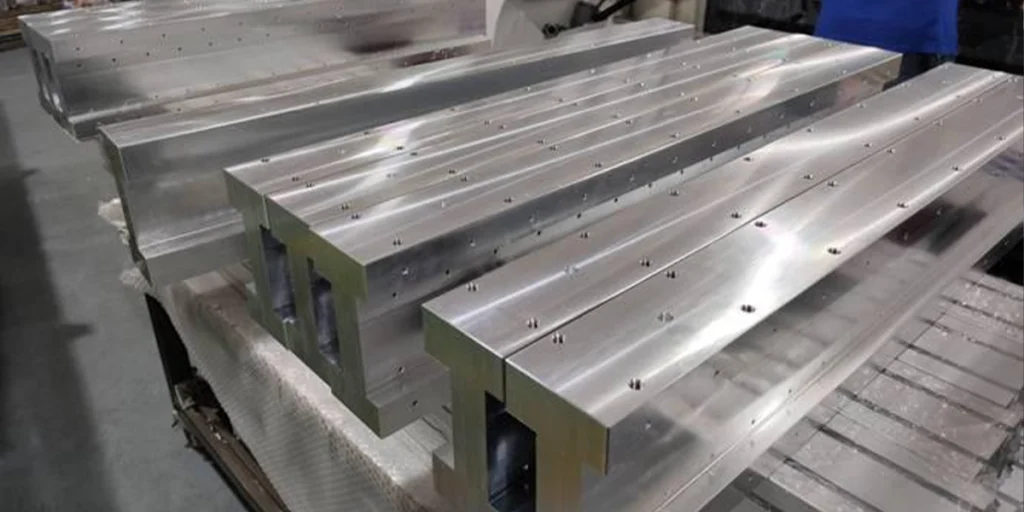
Aluminum CNC machining refers to the use of computer numerical control equipment to perform high-precision cutting of aluminum alloy materials, thereby manufacturing parts or components that meet the requirements of drawings.
The entire process is typically completed by CAD design, CAM programming, and CNC machine tools. The equipment automatically controls the movement of the cutting tools according to a preset program to perform milling, turning, drilling, tapping, or complex surface machining on aluminum materials.
Compared with traditional manual processing, the biggest advantage of CNC machining of aluminum is:
- More stable accuracy
- Higher repeatability
- More suitable for complex structures
- Easier to achieve mass production
- Shorter product development cycle
Currently, most high-precision aluminum parts are manufactured using CNC machining, especially in industries with high requirements for dimensional tolerances, surface quality, and assembly precision.
Common CNC machined aluminum parts include:
- Electronic casing
- Heat sink
- Industrial equipment structural components
- Robot framework
- Lightweight automotive components
- Medical device components
- Aerospace connectors
For many European and American customers, aluminum CNC machining is not just about “parts manufacturing,” but more importantly, about how to optimize product performance, reduce costs, and improve supply chain stability through machining processes.
Therefore, specialized processing plants typically not only provide manufacturing services, but also need to have DFM (manufacturability analysis), material advice, and mass production support capabilities.
Taking Zhuohua Hardware as an example, we have long provided aluminum CNC machining services to the robotics, automation, medical, and industrial equipment industries, supporting everything from rapid prototyping to mass production. We have over 300 CNC machines, supporting 3-axis, 3+2-axis, and 5-axis machining, achieving a machining accuracy of ±0.02mm, and supporting complete surface treatment solutions such as anodizing, sandblasting, and wire drawing.
Why is aluminum the most common CNC machining material?
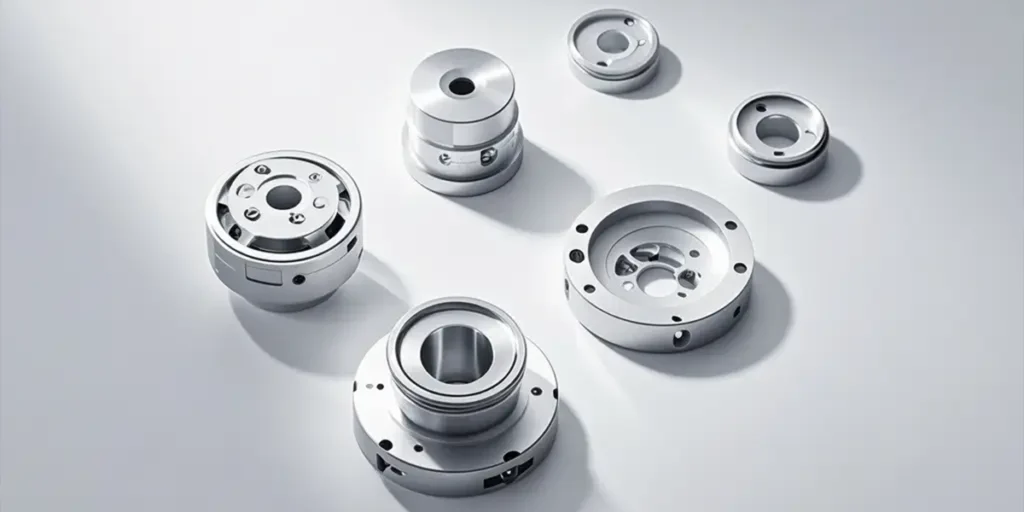
Of all metallic materials, aluminum is one of the most widely used in CNC machining. This is not just because it is “light,” but because aluminum achieves a very good balance between machinability, mechanical properties, and cost.
High processing efficiency
Aluminum is easier to machine than stainless steel. This means:
- Lower tool wear
- Faster processing speed
- Shorter processing cycle
- Unit cost is easier to control
For projects requiring rapid prototyping or medium-volume production, aluminum can typically significantly reduce manufacturing costs. Especially in the machining of complex structural components, aluminum is better suited for high-speed cutting, effectively improving overall production efficiency.
Lightweight but strong enough
Aluminum has about one-third the density of steel. This is a major reason why the automotive, robotics, and aerospace industries are increasingly relying on aluminum alloys.
Lightweight usually means:
- Lower energy consumption
- Faster motion response
- Higher equipment efficiency
- Better thermal management capabilities
For example:
- Robotic arms need to reduce their load weight.
- Drones need to reduce their overall fuselage weight.
- Electric vehicles need to improve their range.
These applications have all driven the growth in demand for aluminum CNC machining.
Excellent corrosion resistance
Many aluminum alloys naturally possess good corrosion resistance. After anodizing, aluminum parts can be further improved in the following ways:
- Abrasion resistance
- Surface hardness
- Consistency in appearance
- Outdoor durability
Therefore, aluminum is very suitable for:
- Industrial equipment
- Outdoor electronic devices
- Medical instruments
- Automated systems
Suitable for complex precision machining
Aluminum is not only easy to process, but also very suitable for high-precision machining. In actual production, aluminum parts can typically achieve the following:
- Better dimensional stability
- More refined surface quality
- More complex internal structure
Especially in five-axis CNC machining, aluminum can provide excellent support:
- Deep cavity structure
- Surface machining
- Thin-walled parts
- High-precision assembly surfaces
This is why aluminum alloys are the preferred material for many high-end equipment parts.
Aluminum alloys are available in a wide variety of types.
Different aluminum grades can meet the needs of different projects.
| Aluminum grades | Features | Common Applications |
| 6061 | High versatility | Industrial parts |
| 7075 | High strength | Aerospace |
| 5052 | Corrosion resistant | Automobiles and ships |
| 5083 | Good weldability | Marine equipment |
For many customers, the real challenge is not “processing,” but rather: how to choose the right combination of aluminum materials and processes.
Professional aluminum CNC machining suppliers typically participate in material recommendations, structural optimization, and cost assessments at the early stages of a project, thereby helping clients reduce subsequent modification costs.
What processes are involved in aluminum CNC machining?
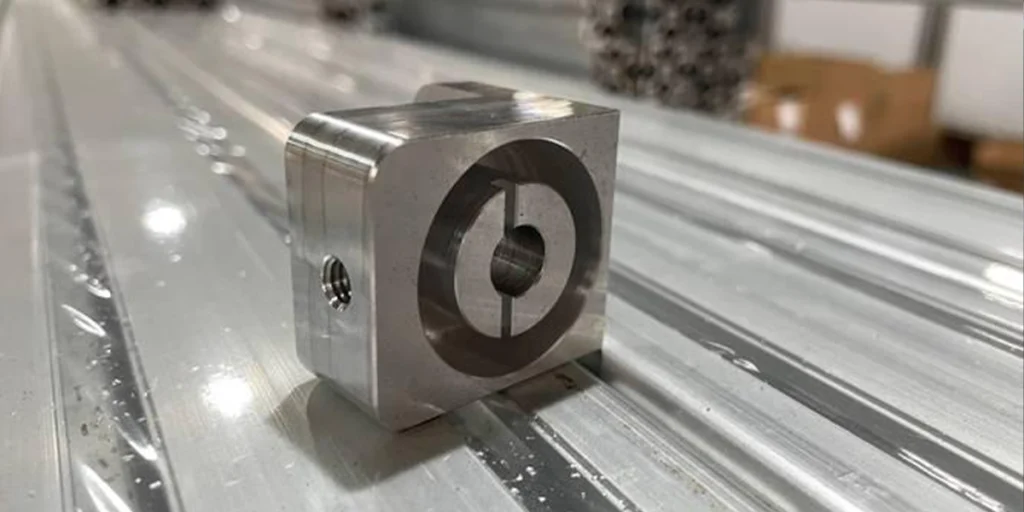
Different types of aluminum parts require different CNC machining methods. For professional manufacturers, what truly matters is not just “being able to machine,” but rather how to select the most suitable process solution based on the part’s structure, precision requirements, and batch size.
CNC Milling
CNC milling is one of the most common processes in aluminum processing. It uses a high-speed rotating tool to cut a fixed workpiece, and can process planes, contours, grooves, curved surfaces, and complex internal structures.
Due to its excellent machinability, aluminum is ideally suited for high-speed milling. Compared to steel, aluminum parts typically offer higher machining efficiency and better surface finish.
Currently, most aluminum CNC parts are manufactured using milling, for example:
- Electronic device casing
- Heat sink
- Structural components of automated equipment
- Robot chassis
- Industrial clamps
- Aviation parts
For complex parts, specialized factories typically use 3-axis, 3+2-axis, or even 5-axis equipment to reduce the number of setups and improve dimensional consistency. In actual production, aluminum milling not only affects machining accuracy but also directly impacts subsequent anodizing effects, assembly quality, and the overall product appearance.
CNC Turning
CNC turning is mainly used for machining cylindrical or shaft-shaped aluminum parts. During the machining process, the workpiece rotates at high speed while the tool cuts along a set path, making it ideal for producing parts with high concentricity.
Commonly machined aluminum parts include:
- Aluminum shaft
- Connector
- Flange
- Threaded parts
- Outer shell
- Precision connectors
Compared to traditional lathes, modern CNC turning equipment can achieve higher repeatability and supports complex contours, drilling, and multi-process integrated machining.
For batch projects, CNC turning can significantly improve production efficiency and reduce unit cost, making it widely used in the automotive, electronics, and medical industries. Some high-precision aluminum parts are also machined using a combination of turning and milling to reduce secondary clamping errors.
Five-axis Machining
Five-axis CNC machining is often used for manufacturing complex aluminum parts, especially curved surfaces, deep cavities, and multi-angle machining areas that are difficult to complete with traditional three-axis equipment.
Compared to conventional machining, the biggest advantage of five-axis machining is:
- Reduce the number of clamping operations
- Improve the ability to process complex structures
- Improve surface uniformity
- Reduce human error
- Shorten the processing cycle
This type of process is very common in the aerospace, robotics, and high-end automation equipment industries.
For example:
- Aerospace structural components
- Robot joint components
- Drone parts
- Medical precision components
Aluminum is lightweight and easy to machine, making it ideal for five-axis high-speed machining. For high-precision and complex projects, five-axis machining can typically balance efficiency, accuracy, and appearance quality.
Zhuohua Hardware currently supports 3-axis, 3+2-axis, and 5-axis aluminum CNC machining, capable of machining complex curved surfaces, high-precision cavities, and thin-walled structural parts, and supports everything from rapid prototyping to mass production.
Common Applications of Aluminum CNC Parts
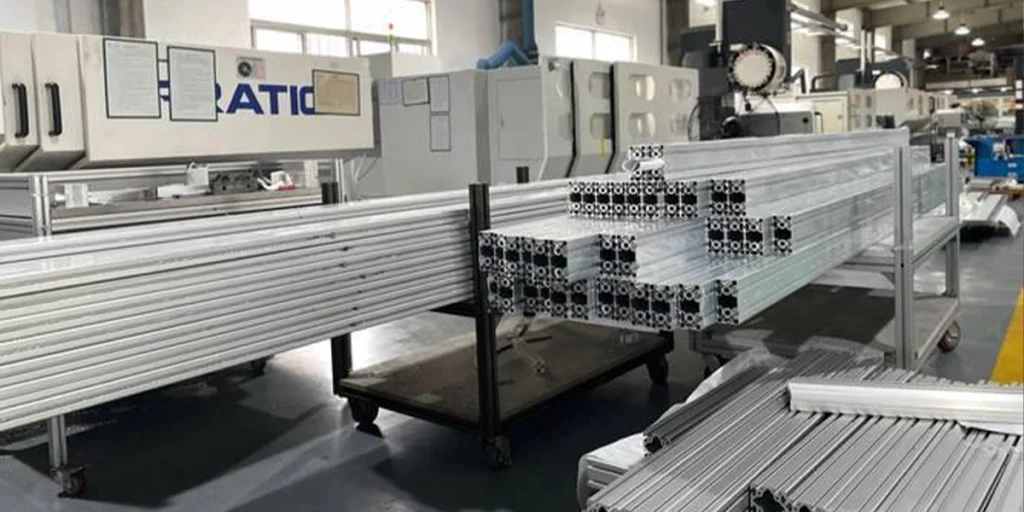
CNC machining of aluminum has been widely used in many high-end manufacturing industries. Compared with traditional materials, aluminum alloys can simultaneously balance weight, strength, processing efficiency, and cost, making them very suitable for modern industrial product development.
Car
The automotive industry is one of the fastest-growing sectors for aluminum CNC machining. With increasing demand for lightweighting, more and more automakers are starting to use aluminum alloys to replace some steel components.
Common applications include:
- Electric vehicle structural components
- Battery casing
- Heat sink
- Suspension components
- Transmission system parts
Aluminum not only reduces the overall weight of vehicles but also improves heat dissipation and energy efficiency. The demand for high-precision aluminum processing is growing rapidly, especially in the new energy industry.
Robot
The robotics industry is highly dependent on aluminum components because robots need to simultaneously meet the requirements of lightweight, structural strength, and high-speed motion performance.
Typical parts include:
- Robotic arm
- Robot chassis
- Automated structural framework
- Precision mounting plate
- Transmission connecting parts
For robot manufacturers, the weight of parts often directly affects motion accuracy and response speed, making aluminum alloys a mainstream choice. Many robot parts also require five-axis machining to achieve complex curved surfaces and high-precision assembly structures.
Medical
The medical industry typically has high requirements for surface quality, dimensional accuracy, and batch consistency.
Aluminum CNC machining is commonly used for:
- Medical device casing
- Testing equipment components
- Surgical auxiliary structural components
- Precision fixing components
Some medical devices not only require high precision but also demand excellent surface treatment of components to ensure the device’s appearance and corrosion resistance. Therefore, stable processing technology and quality control capabilities are crucial.
Aerospace
The aerospace industry typically has the highest requirements for aluminum processing. High-end aerospace aluminum components not only need high strength, but also require:
- Extremely high dimensional accuracy
- Stabilize material properties
- Complex surface machining capabilities
- Strict quality control
High-strength aluminum alloys such as 7075 and 7050 are very common in the aerospace field.
Typical applications include:
- Aircraft structural components
- Drone components
- Aviation connectors
- Precision bracket
These types of projects typically require five-axis machining and support from an experienced engineering team.
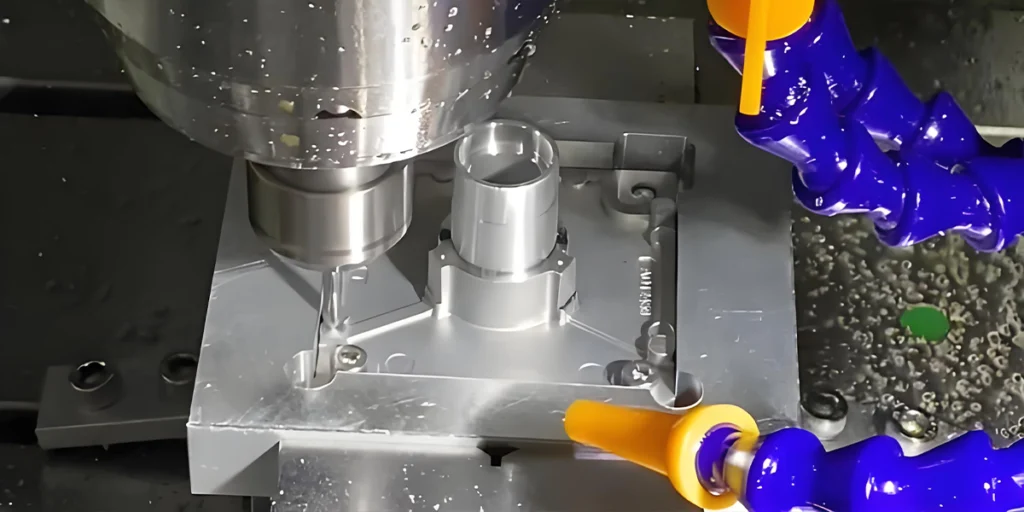
How to choose a professional aluminum CNC machining supplier
For many procurement and engineering teams, the real challenge is not finding factories that can process aluminum parts, but finding suppliers that can deliver reliably over the long term.
A professional aluminum CNC machining supplier typically needs to possess equipment capabilities, engineering experience, quality control, and supply chain management capabilities.
First, it’s essential to consider whether the machining capabilities match the project requirements. For example, does the machining capability support five-axis machining for complex curved parts? Does the machining capability for large-sized parts have sufficient travel? Does the machining capability for high-precision projects provide stable tolerance control?
Secondly, it’s crucial to assess whether the supplier truly understands aluminum processing techniques. Different aluminum grades vary significantly in terms of machinability, deformation control, and surface treatment. Inexperienced factories can easily lead to problems such as dimensional instability, surface scratches, or inconsistent anodizing colors.
In addition, many European and American customers are now paying more attention to supply chain responsiveness, including:
- Prototyping cycle
- Engineering feedback speed
- Small batch support capability
- Stability in subsequent mass production
Especially in the robotics, medical, and automation industries, where projects are typically updated very quickly, a supplier’s engineering collaboration capabilities are often more important than simply offering the lowest price.
Zhuohua Hardware has long focused on aluminum CNC machining services , supporting the processing of 50+ metal and plastic materials, with aluminum alloys being one of its core processing areas. We have over 300 CNC machines, providing 3-axis, 3+2-axis, and 5-axis machining services, with a maximum machining accuracy of ±0.02mm. We also support complete surface treatment solutions such as anodizing, sandblasting, polishing, and wire drawing .