


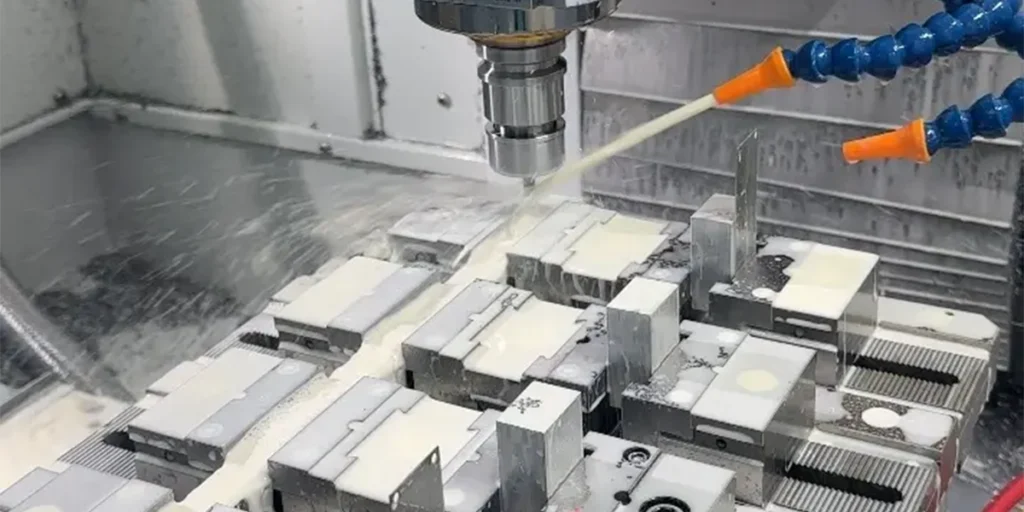
Stainless steel sheet processing characteristics
Stainless steel sheets are widely used in:
- Industrial equipment
- Automated structural components
- Medical device casing
- Food machinery
- Robot support frame
- New energy equipment
Compared to ordinary steel, stainless steel sheets have advantages in strength, corrosion resistance and long-term stability, but this also means higher processing difficulty.
For CNC machining suppliers, stainless steel sheet machining is not just about “cutting materials,” but more importantly, about how to control the machining process:
- Heat distortion
- Internal stress
- Surface quality
- Dimensional stability
These problems are particularly pronounced in large structural components and thin-walled panels.
Common types of stainless steel sheets
Different projects typically choose different grades of stainless steel.
304 stainless steel
The most common stainless steel sheet, which also takes into account:
- Cost
- Intensity
- Corrosion resistance
Widely used in:
- Automated equipment
- Industrial housing
- Food processing equipment
- Mechanical structural components
316 stainless steel
With enhanced corrosion resistance, it is suitable for:
- Medical equipment
- Marine environment
- Chemical equipment
316 material is more difficult to cut and has stricter requirements for cutting tools and cooling systems.
430 stainless steel
It is suitable for industrial structural parts with relatively low requirements for corrosion resistance, and has good forming ability and economy.
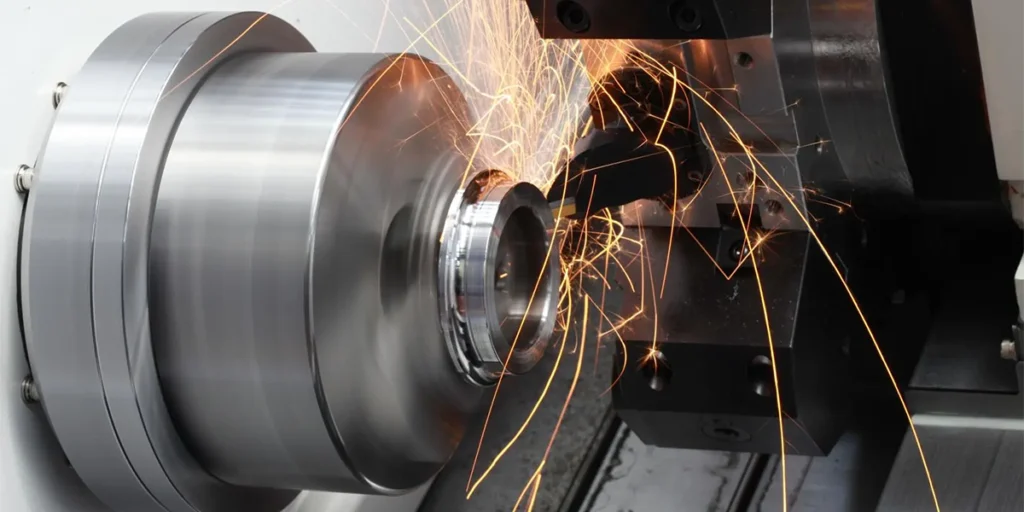
Typical processes for CNC machining of stainless steel sheets
Depending on the part’s structure, stainless steel sheets typically require a combination of processing techniques:
CNC milling
Used for:
- External shaping
- Cavity structure
- Mounting surface
- Precise profile
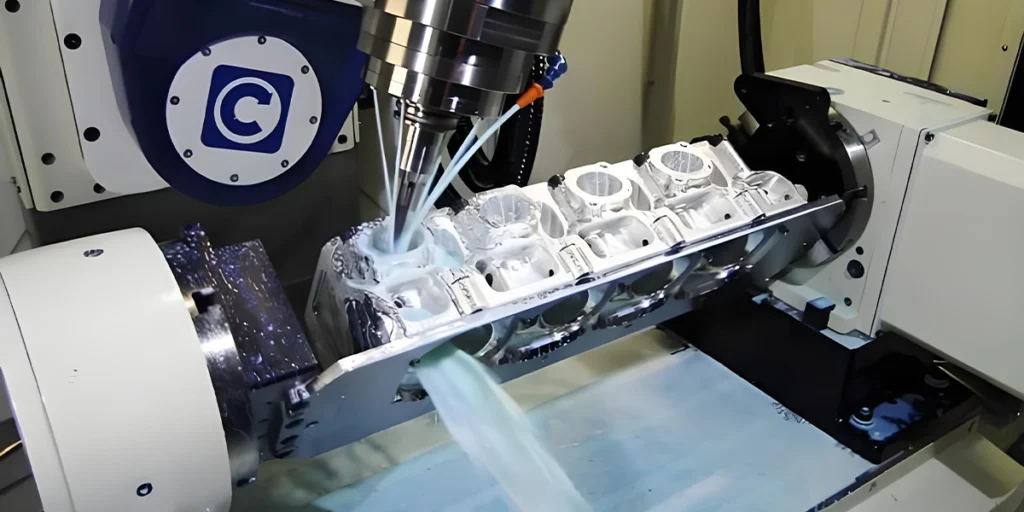
For large sheet metal parts, vibration and heat accumulation need to be carefully controlled during the milling process.
Zhuohua Hardware supports 3-axis, 3+2-axis and 5-axis CNC milling, and can process complex stainless steel structural parts and large industrial parts.
Drilling and tapping
Used for:
- Mounting holes
- Precision positioning holes
- Threaded structure
Stainless steel is prone to work hardening, making hole machining stability crucial. This is especially true for deep hole and batch hole machining, where high demands are placed on tool life and cooling control.
Precision cutting and contour machining
Applicable to:
- Thin-walled structural components
- Panel components
- Housing components
For complex contour structures, a reasonable toolpath design can effectively reduce deformation and stress release issues.
Typical applications of stainless steel structural components
Stainless steel sheets and structural components are typically used for:
Industrial Automation
include:
- Robot support frame
- Equipment frame
- Mechanical base
- Connecting structural components
Medical equipment
include:
- Medical casing
- Surgical equipment structural components
- Precision mounting components
The medical industry typically has higher requirements for surface quality and dimensional stability.
Food and Packaging Equipment
Due to its excellent corrosion resistance and easy-to-clean properties, stainless steel is widely used in:
- Conveying system
- Packaging equipment
- Structural components for food machinery
Why does the machining of structural components rely more on experience?
Many customers believe that large-format sheet processing is simply a matter of “larger size,” but the real challenge lies in:
- Processing deformation
- Clamping stability
- Stress relief
- Batch consistency
Especially for:
- Long structural components
- Thin-walled parts
- Multi-hole mounting plate
Even with sufficient equipment precision, insufficient process experience can lead to parts that cannot be assembled. Therefore, professional stainless steel CNC machining suppliers not only provide equipment capabilities, but more importantly, mature machining processes and DFM support.
Zhuohua Hardware has long provided stainless steel structural component processing services for the industrial machinery , robotics and automation industries , supporting everything from prototyping to mass production, and can optimize processing solutions according to customer application scenarios.
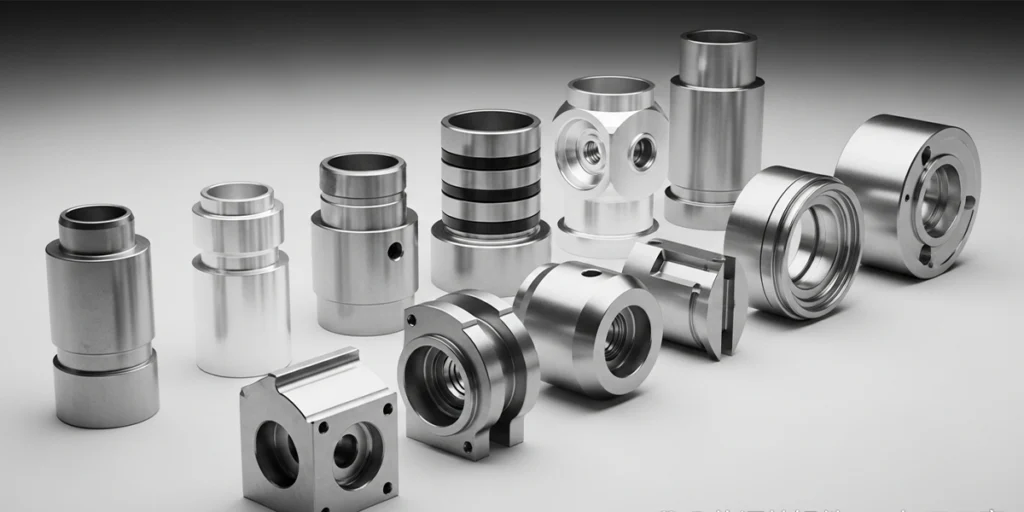
Difficulties in machining large structural components
Large stainless steel structural components are typically used for:
- Automated equipment framework
- Industrial machinery base
- Medical equipment body
- Structural components for new energy equipment
- Robot system components
These types of parts often have:
- Large size
- Multiple processed surfaces
- High flatness requirements
- Multi-hole assembly structure
Compared to ordinary mechanical parts, large structural components have higher requirements for equipment capabilities, clamping schemes, and processing experience.
Problems that may occur during processing
Heat distortion
Stainless steel generates heat continuously during processing. If this heat cannot be dissipated in time, the material is prone to:
- Local expansion
- Size drift
- Planar deformation
This problem is particularly pronounced in large, thin-plate structural components.
Internal stress relief
Many stainless steel materials inherently possess internal stress during the rolling process.
When a large amount of material is removed, the stress is released again, resulting in:
- Warping
- Distortion
- Size offset
This is also one of the most common problems in the processing of large structural components.
Clamping stability
Large structural components typically require multiple clamping operations.
An improper clamping method may result in:
- Processing vibration
- Inconsistent accuracy
- Surface knife marks
- Hole position deviation
For long parts, clamping stability often directly determines the final quality.
Why do large stainless steel parts require higher equipment performance?
Large structural components not only require a larger machining stroke, but also:
- Higher equipment rigidity
- More stable spindle
- More precise positioning capabilities
Especially in multi-faceted processing, if the equipment is not stable enough, cumulative errors can easily occur.
Zhuohua Hardware supports the machining of large stainless steel structural components, with a maximum milling size of:
- 2000 × 1500 × 200 mm
- Some structural components can support a wider machining range.
We combine:
- Multi-axis CNC equipment
- Stable clamping system
- Phased processing strategy
It helps customers reduce the processing risks of large structural components and improve batch consistency.
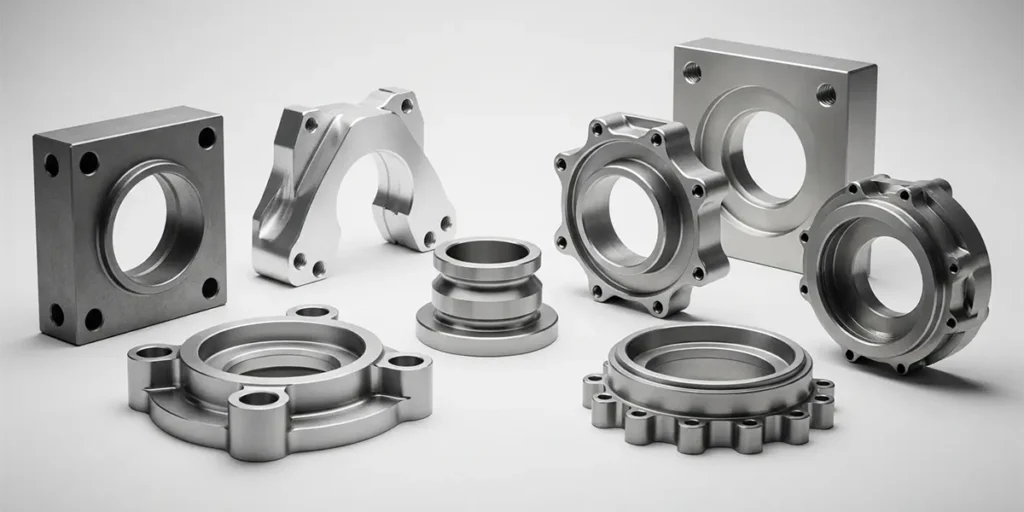
How to control deformation
In the machining of stainless steel sheets and large structural components, deformation control is often more important than the machining itself. Many parts pass the equipment inspection, but warping, flatness deviations, or hole misalignment occur after the fixtures are removed. The problems usually stem from stress release and heat accumulation.
For professional stainless steel CNC machining suppliers, the real focus is not simply on increasing cutting speed, but on maintaining material stability throughout the machining process.
Choose the processing sequence appropriately
Large structural components are usually not cut all at once, but rather processed in stages.
Common methods include:
- First, perform rough machining to release stress.
- Further semi-finishing
- Finally, perform finishing and dimension correction.
This method can reduce stress concentration inside the material and lower the risk of deformation later.
For structural components with high flatness, it is often necessary to allow time for stabilization, so that the material can naturally release some stress before continuing with finishing.
Controlling cutting heat
Stainless steel has low thermal conductivity, making it easier for processing heat to concentrate on the tool and workpiece surfaces. If heat continues to accumulate, the dimensions of the parts will deviate with temperature changes.
Therefore, in stainless steel processing, it is usually necessary to combine:
- Appropriate speed and feed
- Stable coolant supply
- High-efficiency toolpaths
- Layered cutting strategy
Especially in 316 stainless steel and large thin-walled structural components, thermal control capability directly affects the final dimensional stability.
Optimize clamping method
Many structural component deformations are not caused by cutting, but by improper clamping methods. If the clamping pressure is too high, local stress will be generated in the part during machining; after unclamping, the stress release may cause the structure to spring back.
Therefore, large stainless steel structural components typically require:
- Multiple support points
- Regional clamping
- Reduce localized stress
- Reduce clamping deformation
For thin-plate parts, experienced machining teams typically assess structural strength in advance and optimize clamping positions.
Use stable stainless steel materials
Different material conditions can also affect processing stability.
- Hot-rolled materials are more prone to internal stress.
- Thick plates are more prone to uneven stress.
- Low-quality materials have poor planar stability.
Therefore, professional processing plants usually select the more suitable material state based on the structure of the part, rather than just selecting the material grade.
Why experience is more important than equipment
Many customers focus on the brand of the equipment, but in the processing of large stainless steel structural parts, process experience is often more critical than the equipment itself.
Because what truly determines the processing outcome is:
- Knife Path Strategy
- Processing sequence
- Stress control
- Clamping scheme
- Heat Management
Zhuohua Hardware has long provided stainless steel structural component processing services to the industrial automation, robotics, and equipment manufacturing industries. For large sheet metal, thin-walled structural components, and complex installation assemblies, we provide DFM analysis and process optimization suggestions before processing to help customers reduce deformation risks and improve assembly stability.
Surface treatment solutions
After stainless steel parts are CNC machined, they usually require surface treatment to further improve their appearance.
- Appearance quality
- Corrosion resistance
- Abrasion resistance
- Cleanliness
- Product consistency
Different applications have completely different requirements for surface treatment. For example, industrial equipment focuses more on durability, while medical and food equipment places greater emphasis on surface cleanliness and corrosion resistance.
Mechanical polishing
Mechanical polishing is one of the most common surface treatments for stainless steel. Suitable for:
- Exterior components
- Medical parts
- Decorative structural components
Polishing reduces surface roughness and improves the uniformity of part appearance. For high-end equipment housings and visible structural components, polishing is often an important step in enhancing the product’s quality.
Sandblasting
Sandblasting produces a uniform matte surface while concealing some of the machining marks. It is commonly used for:
- Industrial equipment enclosures
- Structural components of automated equipment
- Robot components
Compared to mirror polishing, sandblasted surfaces are more resistant to fingerprints and scratches.
Wire drawing process
Brushed finish can create regular textures and is commonly seen in:
- Panel components
- Exterior structural components
- Food processing equipment
This surface treatment not only improves the appearance but also enhances the industrial feel of the product.
Electropolishing
Electropolishing is widely used in the medical, food, and high-cleanliness industries. Its advantages include:
- Improves corrosion resistance
- Reduce surface microburrs
- Improve surface cleanliness
- Reduce the risk of bacterial adhesion
316 stainless steel medical parts are often used in conjunction with electropolishing.
How to choose a suitable surface treatment
Surface treatment is not necessarily better the more expensive it is; the choice should be based on the actual use of the parts.
Generally, a comprehensive consideration is required:
- Usage Environment
- Appearance requirements
- Corrosion resistance rating
- Cost Budget
- Subsequent assembly requirements
For example:
- Industrial internal structural components may only require basic deburring.
- Medical devices typically require fine polishing.
- Food processing equipment places greater emphasis on corrosion resistance and cleanability.
Zhuohua Hardware offers a variety of stainless steel surface treatment options , including:
- Fine processing
- Polishing
- Sandblasting
- Wire drawing
- Electropolishing
We will provide more suitable post-processing suggestions based on the customer’s part application, industry requirements and budget, to help customers achieve a balance between performance, appearance and cost.