


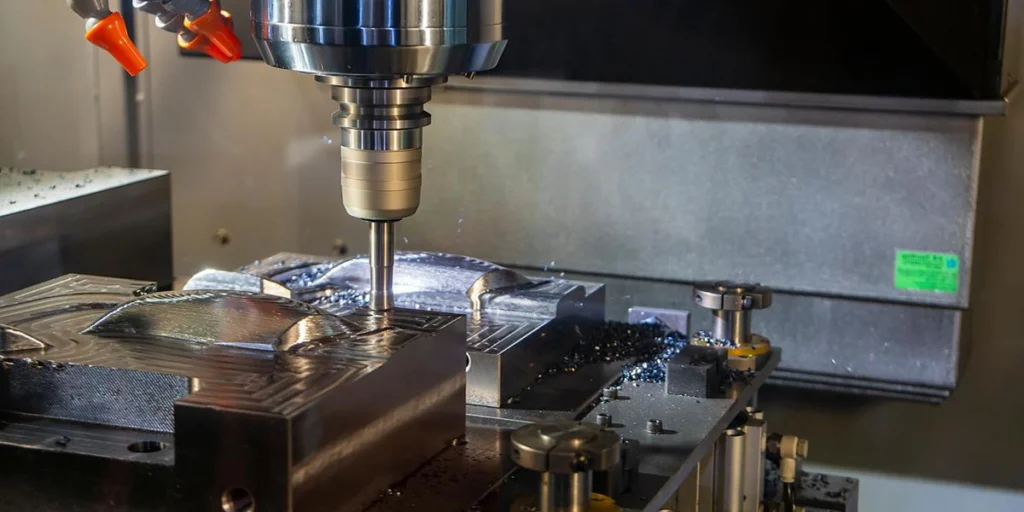
What capabilities must suppliers possess?
For procurement engineers and product development teams, choosing a stainless steel CNC machining supplier is not just about finding a factory that can “machine parts,” but more importantly, finding a manufacturing partner that can deliver consistent quality, control risks, and support the long-term development of the project.
Stainless steel, in particular, is more difficult to process than aluminum and ordinary steel, and has stricter requirements for equipment, processes and engineering experience.
A reliable stainless steel CNC machining supplier typically needs to possess the following core capabilities.
Precision machining capability
Stainless steel has high hardness and generates significant heat during processing, which also makes it prone to tool wear.
If the equipment is not stable enough, the following problems can easily occur:
- Dimensional deviation
- Surface scratches
- Burr problem
- Hole position error
- Unstable batch consistency
Professional suppliers typically need to possess the following:
Multi-axis CNC machining capabilities
- 3-axis CNC milling
- 3+2 axis machining
- 5-axis linkage machining
- CNC turning center
This reduces the need for multiple clamping operations and improves the machining accuracy of complex parts.
Zhuohua Hardware currently has 300+ CNC machines, which can support mass production of everything from simple structural parts to complex precision parts.
High-precision control capability
For industries such as medical, automation, and aerospace, stainless steel parts typically require stricter tolerances.
- Precision shaft parts
- Stainless steel connectors
- Valve body and fluid components
- Medical components
Specialized factories typically need to have:
- Machining accuracy ±0.02mm
- Stable batch consistency
- Complete testing process
This is also a key difference between high-precision stainless steel machining and ordinary metal machining.
Material processing experience
Not all factories are truly skilled at stainless steel processing.
Many suppliers can process aluminum parts, but often encounter problems in stainless steel projects:
- Short tool life
- Poor surface quality
- Workpiece deformation
- Low processing efficiency
A truly professional stainless steel processing supplier needs to be familiar with:
- 303 stainless steel
- 304 stainless steel
- 316 stainless steel
- 416 stainless steel
- 17-4PH and other materials
Because different grades of stainless steel have completely different properties:
- Machining performance
- Thermal stability
- Hardness
- Corrosion resistance requirements
Rapid Response and Engineering Support
Excellent suppliers are not just “order takers,” but should also be able to provide services from the early stages of a project:
- DFM Recommendations
- Process optimization
- Cost optimization plan
- Material substitution recommendations
- Surface treatment recommendations
This is especially important for overseas clients. An experienced engineering team can often help clients identify problems before mass production, thereby reducing rework and supply chain risks later on.
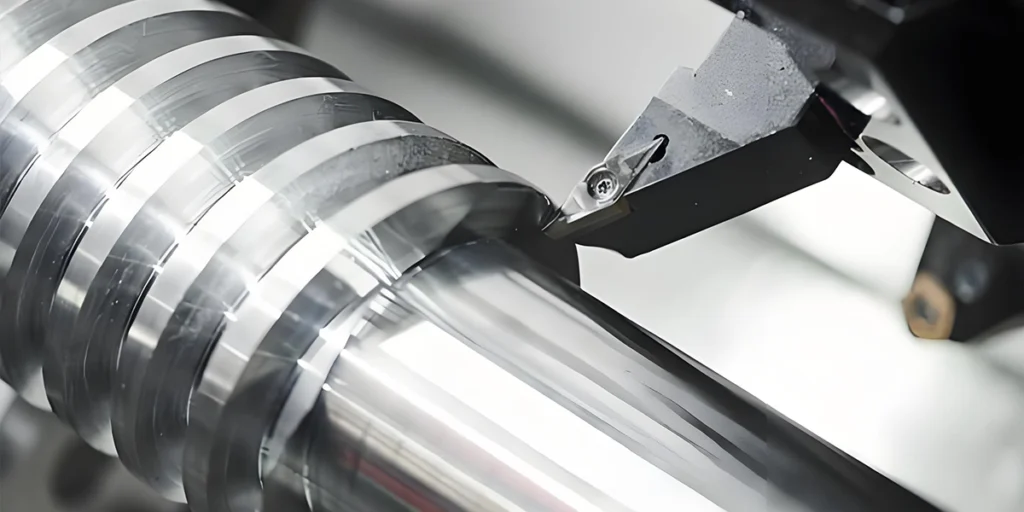
The Importance of Equipment and Experience
In stainless steel CNC machining projects, equipment capacity determines the upper limit of processing, while engineering experience determines the final result.
Many purchasing personnel focus solely on price quotes when selecting suppliers, neglecting the impact of equipment and experience on project stability. In reality, even with the same stainless steel materials and the same blueprints, the quality of parts produced by different factories can vary significantly.
Why does equipment capability directly affect quality?
Stainless steel processing will produce:
- Higher cutting heat
- Greater cutting resistance
- Faster tool wear
If the equipment lacks rigidity or the spindle is not stable enough, it can easily lead to:
Size instability
Especially:
- Thin-walled structure
- Deep cavity machining
- Small size features
It is more likely to produce deviations.
Surface quality decline
Stainless steel is inherently prone to work hardening.
If the toolpath or equipment stability is insufficient, the following may occur on the part surface:
- Knife pattern
- Strain
- Burrs
- Vibration pattern
These problems are generally unacceptable for medical, food equipment, or high-end industrial parts.
The Importance of Multi-Axis Equipment
Modern complex parts increasingly rely on multi-axis machining capabilities.
in particular:
- Irregularly shaped structural components
- Multi-angle holes
- Complex flow channel components
- High-precision assembly parts
5-axis CNC machining can:
- Reduce the number of clamping operations
- Improve positioning accuracy
- Reduce processing time
- Reduce human error
Zhuohua Hardware supports 3-axis, 3+2-axis, and 5-axis stainless steel machining, capable of handling complex precision parts and high-volume industrial projects.
Experience determines processing stability
Equipment can be purchased, but processing experience is difficult to replicate quickly. This is especially true for stainless steel processing, where many problems do not appear on the first piece but gradually emerge during mass production.
For example:
- Batch size drift
- Unstable tool life
- Processing deformation
- Clamping consistency issues
These all heavily rely on the experience of the engineering team.
Why do long-term projects require more experienced suppliers?
For OEM customers, what truly matters is not just “whether these parts can be manufactured,” but rather:
- Will the next batch be able to maintain consistency?
- Whether it can stably expand production
- Can quality be controlled in the long term?
- Does it have global delivery capabilities?
This is why more and more overseas customers are choosing Chinese CNC machining suppliers with mature processing systems and export experience.
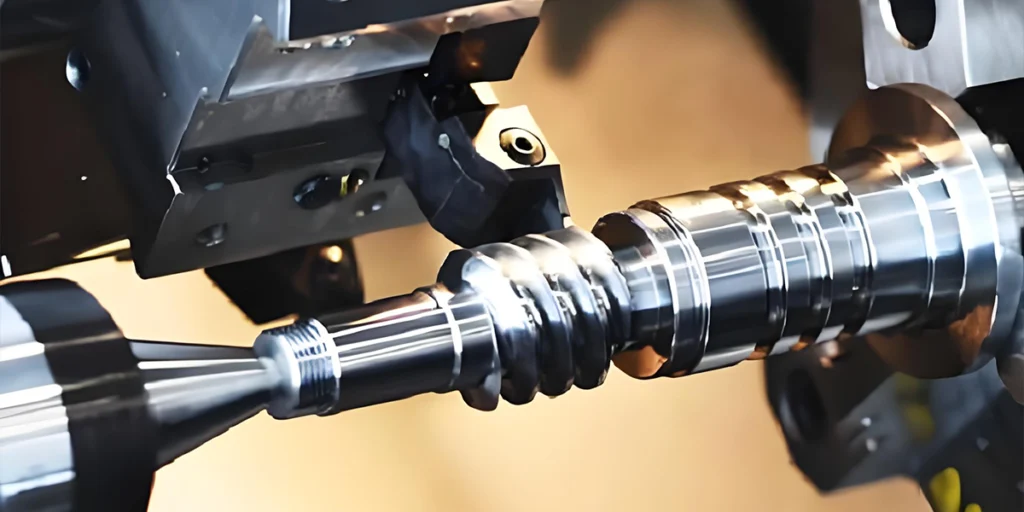
Why is experience in stainless steel processing crucial?
Many purchasing personnel believe that as long as a factory has CNC equipment, it can process stainless steel parts. However, in actual projects, stainless steel processing is often much more complex than aluminum or ordinary steel parts, and it relies more heavily on engineering experience.
Stainless steel inherently possesses high strength, high toughness, and significant work hardening properties, making it more prone to heat generation during machining and resulting in faster tool wear. If process control is inadequate, problems such as dimensional instability, surface roughness, severe burrs, and even part deformation can easily occur.
Especially when processing 304 and 316 stainless steel, many ordinary processing plants encounter the following problems:
- Short tool life
- Vibratory cutter for deep cavity machining
- Hole position offset
- Deformation of thin-walled structures
- Surface tear
- Poor batch consistency
These problems cannot be solved simply by relying on equipment; they depend more on long-term accumulated processing experience.
Different stainless steel materials require different processing strategies
Different grades of stainless steel have significant differences in their machinability.
- 303 stainless steel: It has good machinability and is more suitable for high-efficiency machining.
- 304 stainless steel: It has strong versatility, but it is significantly work hardened, requiring high precision in cutting tools and feed control.
- 316 stainless steel: It has stronger corrosion resistance, but it is usually more difficult to cut than 304.
- 17-4PH stainless steel: High strength, commonly used in aerospace and high-end industrial parts, where equipment rigidity requirements are higher.
Professional suppliers typically adjust their strategies based on the specific materials used.
- Tool type
- Spindle speed
- Feed parameters
- Cooling solution
- Clamping method
This ensures stable processing quality.
Complex parts rely more on engineering experience
Stainless steel parts in modern industry are becoming increasingly complex and require higher precision.
- Medical device components
- Automated equipment parts
- Fluid control valve body
- Aerospace structural components
- Precision connectors
These types of parts not only require dimensional accuracy, but also:
- Stable surface quality
- Assembly consistency
- Long-term durability
For complex structural components, the machining path, clamping sequence, and tooling strategy all directly affect the final result. Experienced engineering teams can usually identify risks before machining and reduce later problems through DFM optimization.
Zhuohua Hardware has long provided stainless steel CNC machining services to the Robot Automation, medical equipment , automotive parts , and industrial automation industries , supporting everything from prototype development to mass production, and offering machining suggestions and process optimization solutions based on different projects.
How to evaluate a quality control system
For stainless steel CNC machining projects, quality control is not just about “final inspection”.
Truly mature processing suppliers typically integrate quality control throughout the entire manufacturing process, including:
- Drawing review
- Material confirmation
- Process control
- Size inspection
- Outbound inspection
Especially in high-precision stainless steel parts projects, relying solely on final sampling inspections often cannot guarantee long-term stability.
Material traceability capability
Reliable suppliers typically have strict management of raw materials.
- Material grade confirmation
- Incoming material inspection
- Material batch traceability
For medical, food equipment, and industrial equipment parts, incorrect materials can directly lead to project failure.
Process quality control
What truly affects quality stability is often the manufacturing process. Specialized factories typically focus on key processes:
- First article inspection
- Online size inspection
- Tool life management
- Regularly calibrate the equipment
This allows problems to be detected early in the mass production process, rather than discovering dimensional abnormalities only after all processing is complete.
The Importance of Testing Equipment
High-precision stainless steel parts typically require more stringent testing.
- Precision hole positions
- Coaxiality
- Flatness
- Surface roughness
These all require specialized testing equipment.
Zhuohua Hardware supports full-dimensional inspection and can provide relevant quality documents and inspection reports according to customer requirements to help customers meet the quality requirements of different industrial projects.
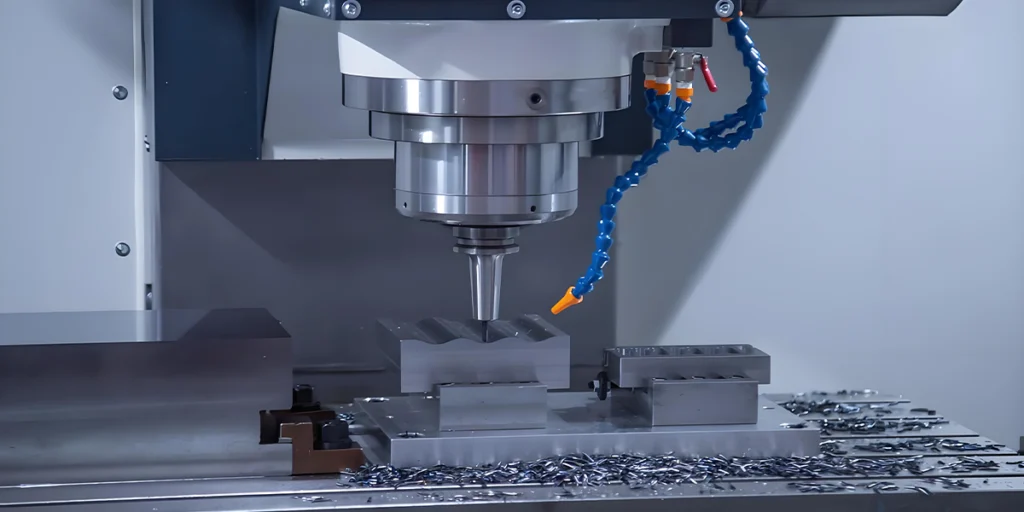
How to avoid low-price traps
In global procurement, low prices are often one of the most attractive factors for procurement teams. However, for stainless steel CNC machining projects, excessively low quotes usually mean higher risks later on.
Because the processing of stainless steel itself is not cheap, including:
- Material costs
- Tool wear
- Processing time
- Testing costs
- Engineering support costs
If the price is significantly lower than the market level, it usually means that certain aspects have been cut back.
Common problems with low-price suppliers
Many low-cost factories reduce costs in the following ways:
- Use low-grade materials
- Reduce testing procedures
- Using old equipment
- Reduced machining accuracy
- Reduce process time
Prices may be lower in the short term, but this could lead to the following in the long term:
- Batch rework
- Assembly issues
- Delivery delay
- Customer complaints
- Higher overall procurement costs
What should really be compared is not the unit price.
Experienced procurement teams typically focus on:
- Yield
- Delivery time stability
- Long-term consistency
- Engineering support capabilities
- Communication efficiency
For OEM projects, the losses from a single quality issue often far outweigh the initial savings in processing costs.
How to choose long-term cooperative suppliers
Reputable stainless steel processing suppliers typically prioritize long-term partnerships over one-off price wars. They are better able to offer:
- Stable processing quality
- Rapid engineering response
- DFM Optimization Recommendations
- Prototype to mass production support
- Global export experience
For long-term industrial projects, this stability is often more important than the lowest bid.