


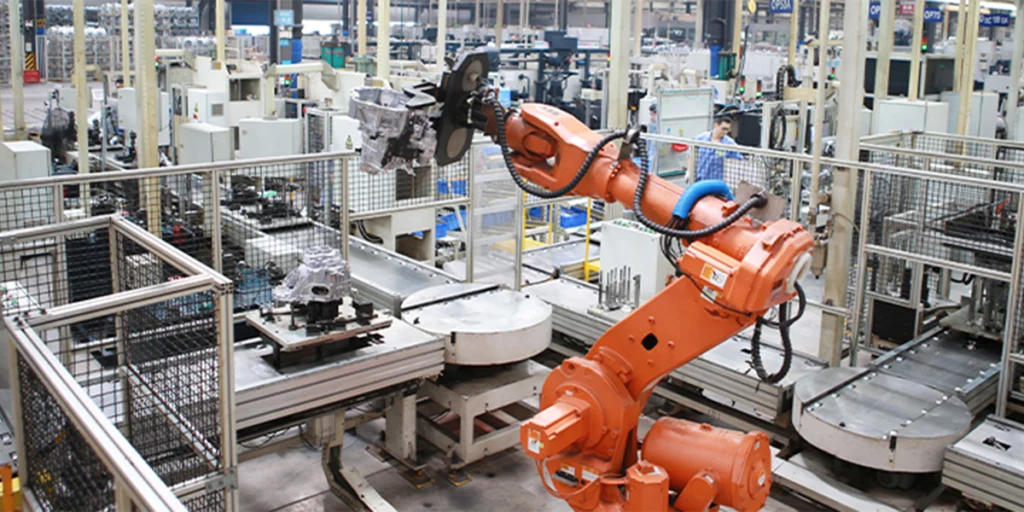
Typical CNC machining cases in the robotics industry
In robot manufacturing, different types of equipment have significantly different requirements for the structure, precision, and materials of their components.
In robot manufacturing, different types of equipment have significantly different requirements for the structure, precision, and materials of their components.
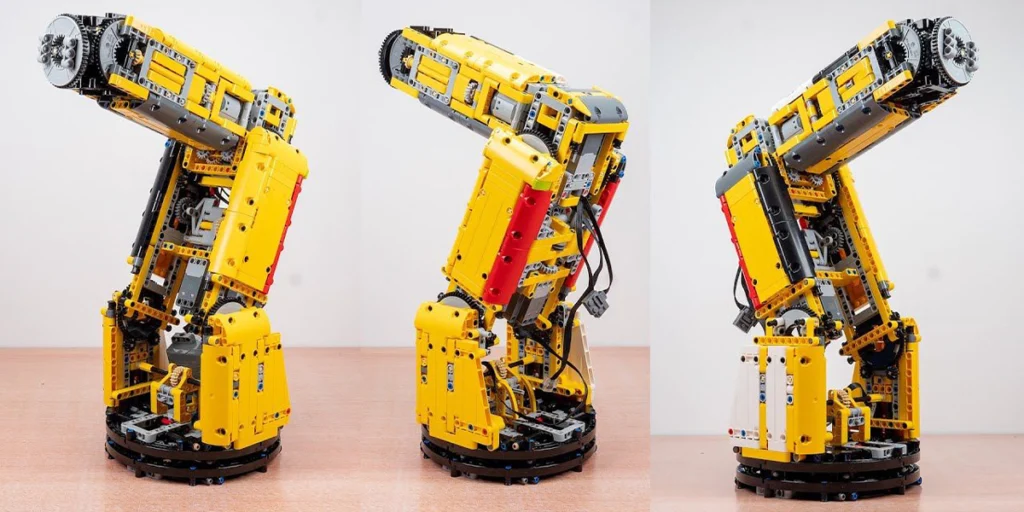
In robot manufacturing, more and more key components are beginning to rely on 5-axis CNC machining, especially in application scenarios
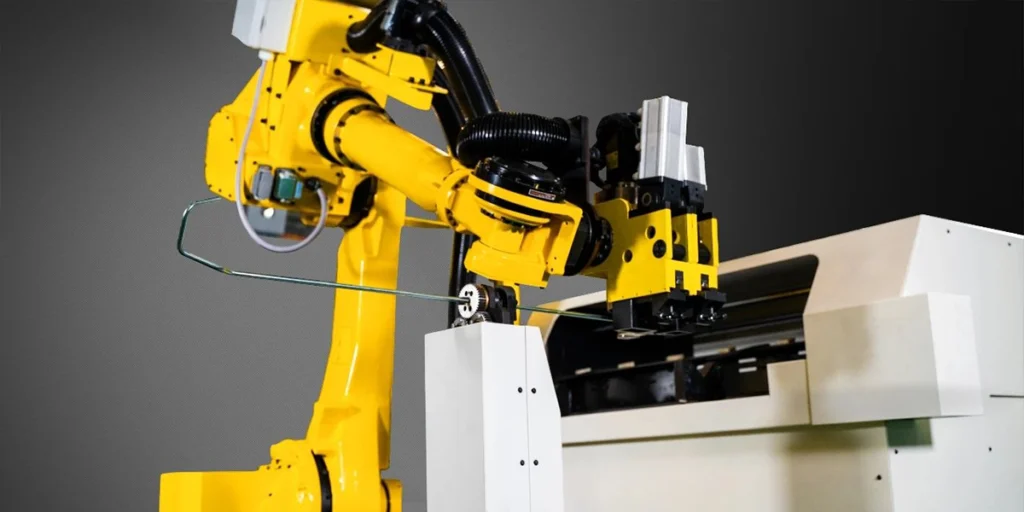
In robotic arms, precision is not a single metric, but rather the result of multiple components working together. Every joint,
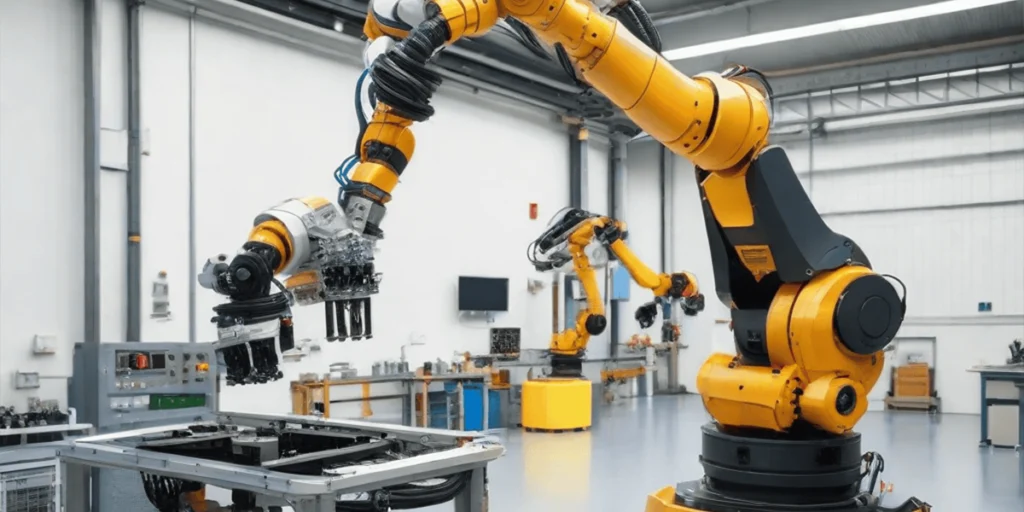
Metallic materials In robotic articulated arms, most key structural components and transmission parts are still primarily made of metal. Different
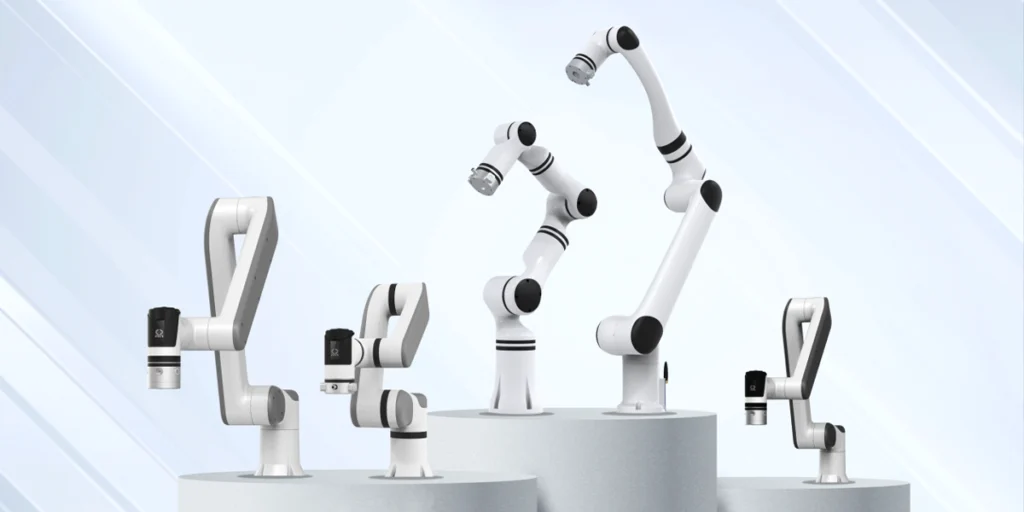
The impact of multi-axis linkage machining on structural accuracy Robot joint parts typically have complex three-dimensional structures, such as curved
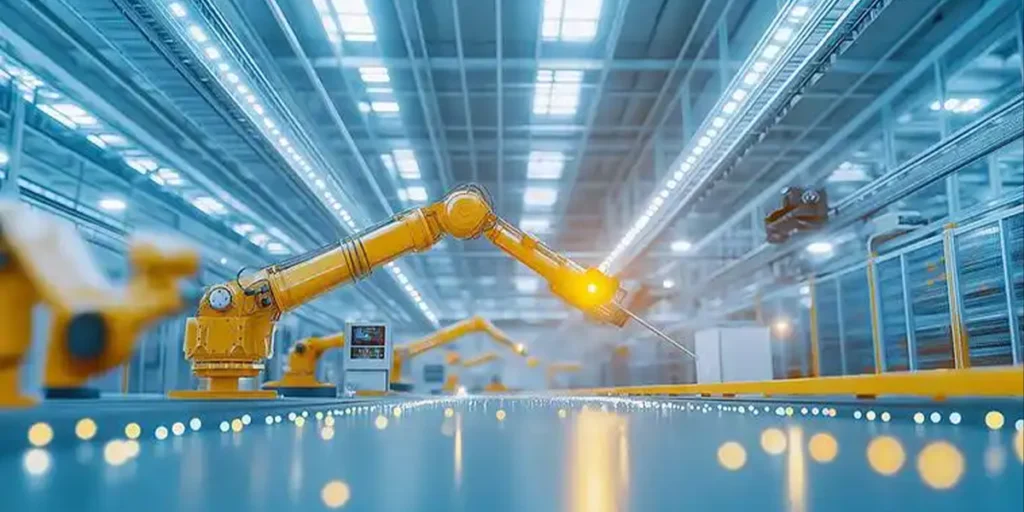
In articulated robotic arms, most critical structural components rely on CNC machining, especially in areas involving strength, precision, and assembly
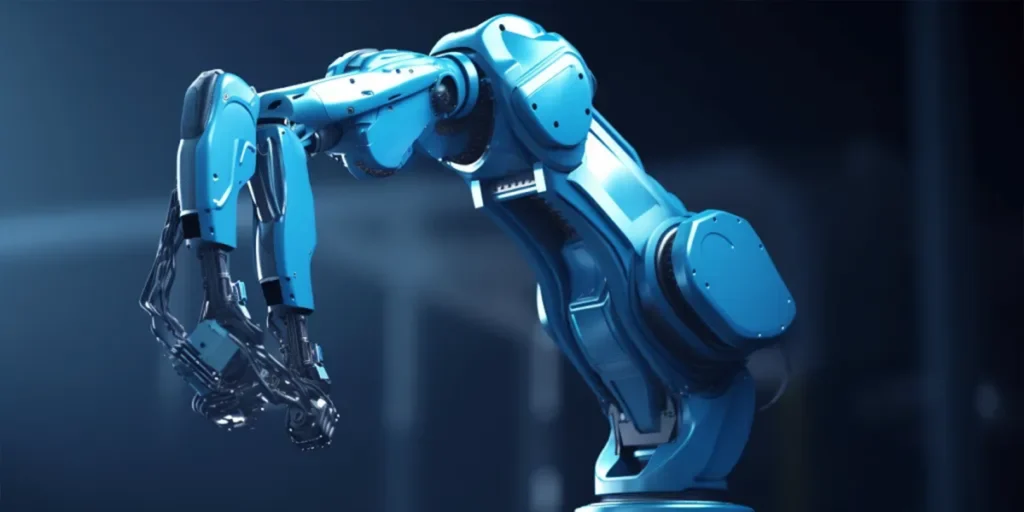
An articulated robotic arm is composed of multiple mechanical and transmission components, each of which performs a different function and
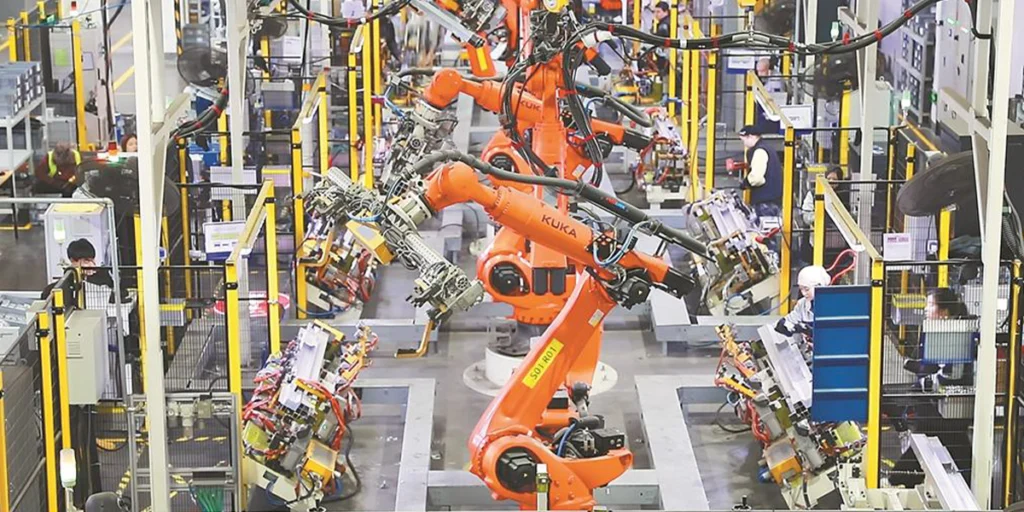
The motion capability of an articulated robotic arm essentially depends on the design and implementation of its power system. Structurally,
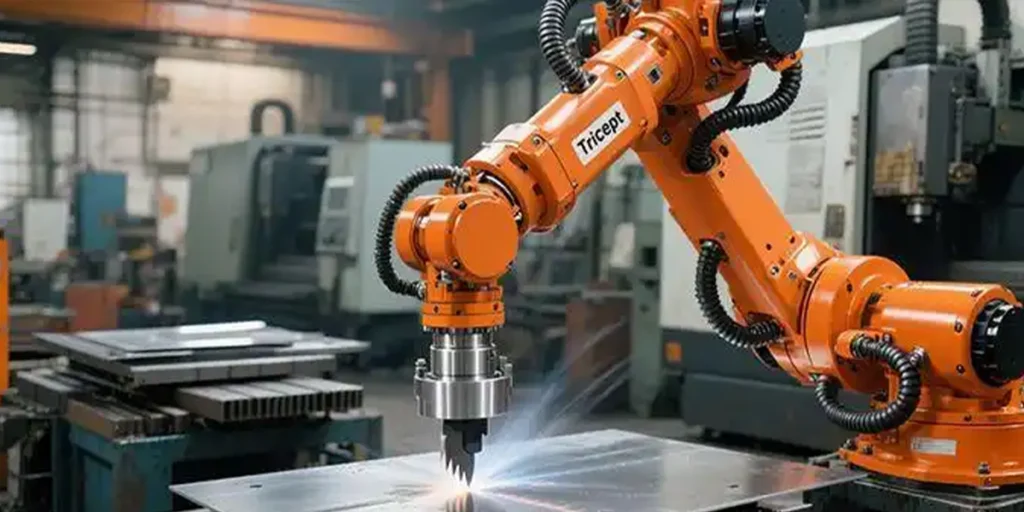
The essence of a robotic arm’s work is to achieve position and attitude control of the end effector in space
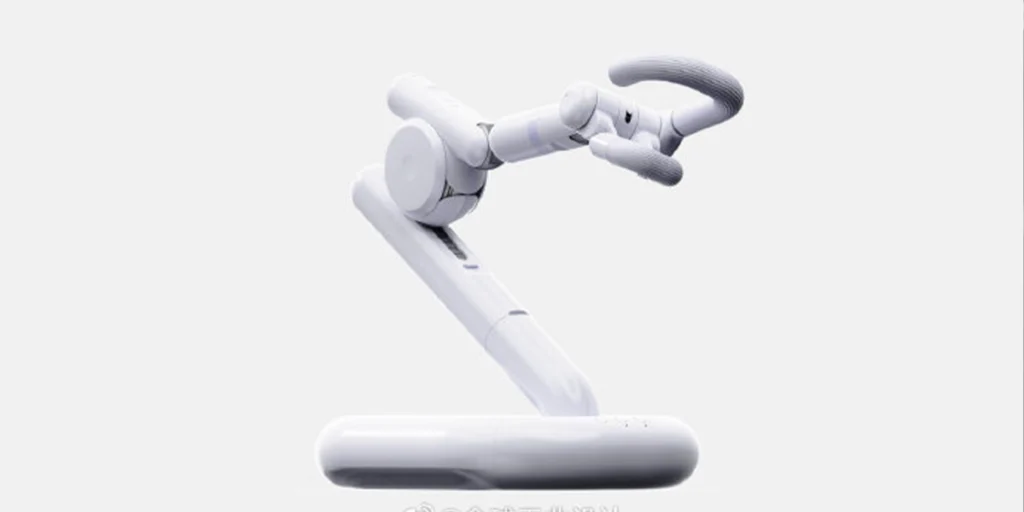
What is an articulated robotic arm? Articulated robot arms are the most common structural form of industrial robots. They consist